Middle East
Qatar
"Smaller than you think, stranger than you expect, harder to dismiss than you'd like."
A peninsula the size of a French department that built one of the world's great art collections in the desert and then left the air conditioning on.

I landed in Doha at two in the morning in August, and the heat outside baggage claim hit me like a wall that had been preheated all day. The taxi driver had the air conditioning on full blast, talk radio murmuring in Arabic, and we crossed a stretch of highway that felt impossibly smooth, impossibly lit, a country that had decided somewhere along the way that infrastructure was a form of self-expression. The Corniche curved along the bay. The skyline on the other side looked like something from a near-future film, all glass and light and geometric confidence. My first thought was not wonder — it was disorientation. Where exactly am I, and what are the rules here?
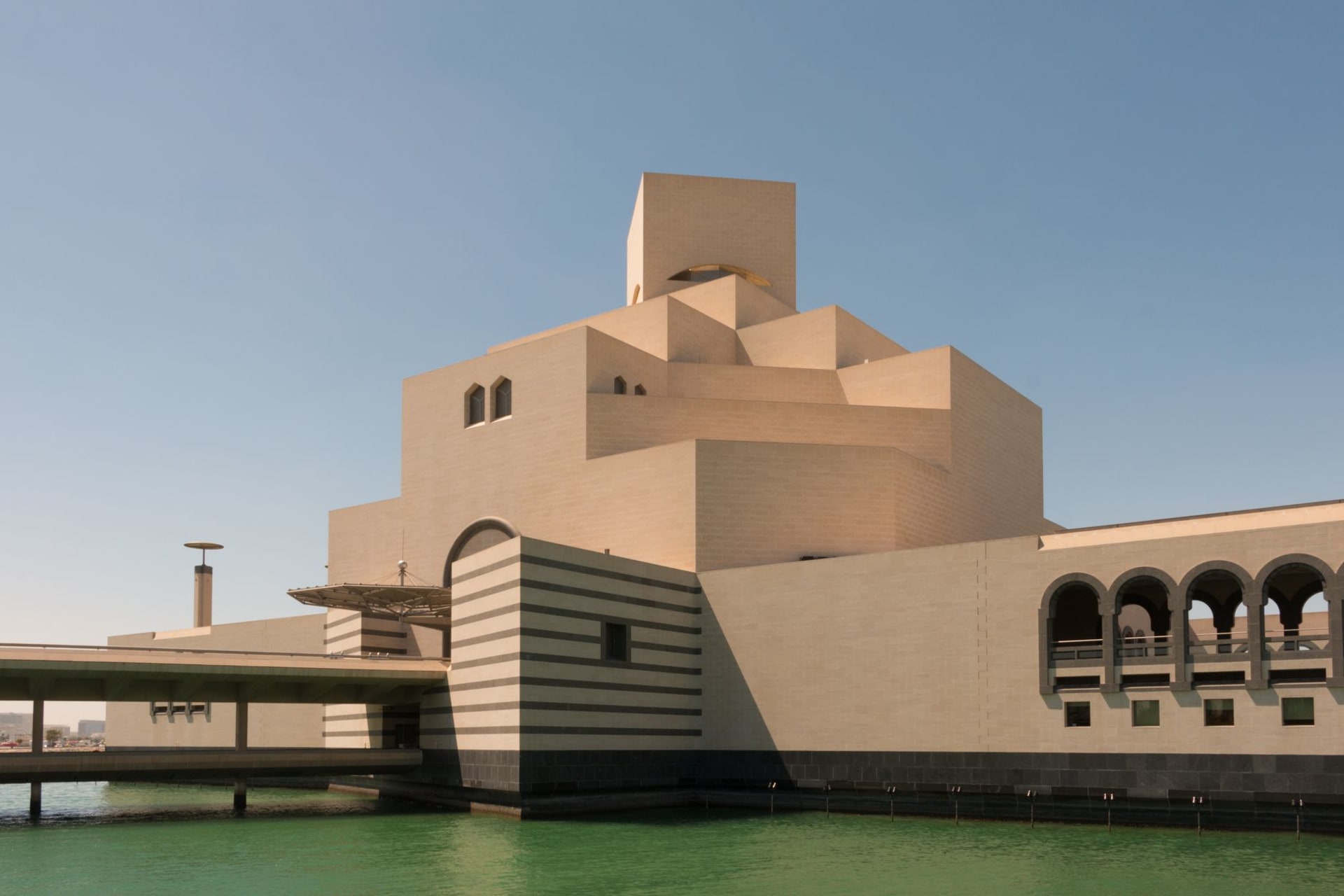
Qatar rewards that disorientation if you lean into it rather than retreat to the hotel pool. The Museum of Islamic Art, designed by I.M. Pei and sitting on its own artificial peninsula in the bay, is genuinely one of the finest museum buildings I have ever walked through — not as a statement about Gulf wealth, but as architecture that earns its space. The collection inside spans fourteen centuries and three continents of Islamic civilization, and if you spend a serious morning there you will feel it. Mathaf, the Arab Museum of Modern Art, is less celebrated and more interesting — Arab art from 1840 onward, artists you have never encountered, a history of modernism that the Western canon conveniently forgot to include. Msheireb Museums, four restored houses in the old pearl-merchant quarter, quietly tells you what Qatar looked like before oil, which turns out to be a world worth knowing about.
Souq Waqif is the place where the city breathes at a human scale. The narrow covered lanes smell like oud and cardamom and grilled meat. In the evenings, Qatari families in white thobes and black abayas share shisha with Korean construction workers and Filipino service staff and French architects — Qatar in miniature. Order harees, the slow-cooked wheat and meat porridge that tastes like comfort made edible, and find a table outside while the night stays warm and the muezzin calls across the rooftops.
When to go: November to March, without question. October is still genuinely dangerous heat. December through February are the sweet months — mild, sunny, dry, cool enough for desert driving or an afternoon on the water. The Doha art world runs its major events in this window: Art Mill, the cultural season, stadium-hopping if football is your thing.
What most guides get wrong: They treat Qatar as a stopover — eight hours in Doha between flights, a Hamad terminal selfie and a souq visit. That is exactly backwards. Qatar is small enough to understand if you give it three or four days, and strange and specific enough that understanding it actually changes something in how you read the rest of the Gulf. The pearl-diving economy that it replaced, the speed at which a society can reorganize itself, what it looks like when a country decides it wants to have the world’s best collection of Islamic art — these are genuinely interesting questions. The souvenirs are bad, but the questions are good.
Explore
Places in Qatar
 qatar
qatar Al Khor
A northern coastal town where mangrove creeks and a small museum of pearl-diving history sit quietly outside the capital's orbit.
Explore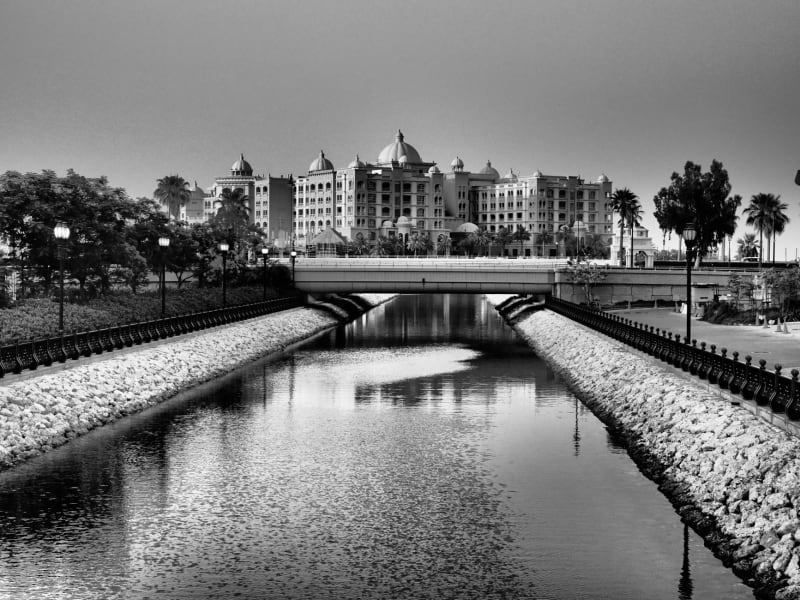 qatar
qatar Al Shahaniya
Qatar's camel racing track where robot jockeys have replaced child riders and the camels still run with complete indifference to the absurdity.
Explore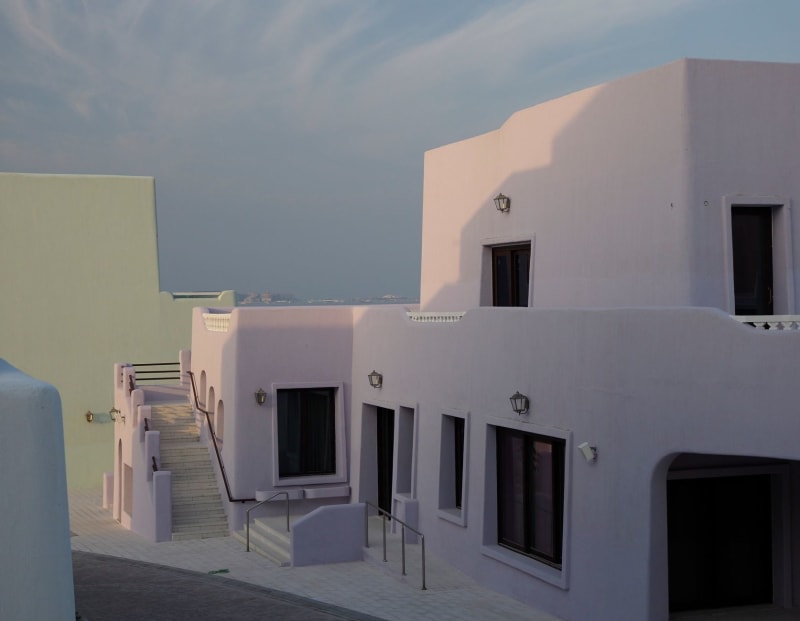 qatar
qatar Al Wakrah
An old fishing town south of Doha where the waterfront has been restored just enough to feel real and not one degree more.
Explore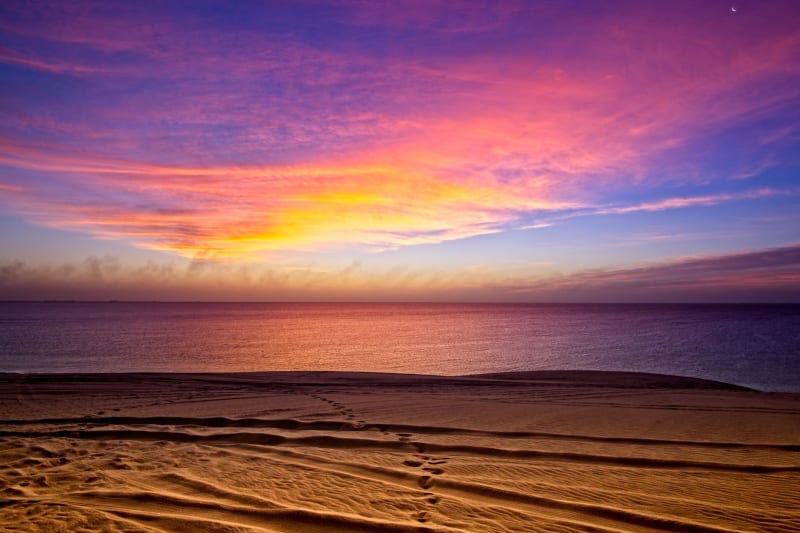 qatar
qatar Al Zubarah
A UNESCO-listed ghost town on Qatar's northwest coast where the pearl trade once made fortunes and left only walls.
Explore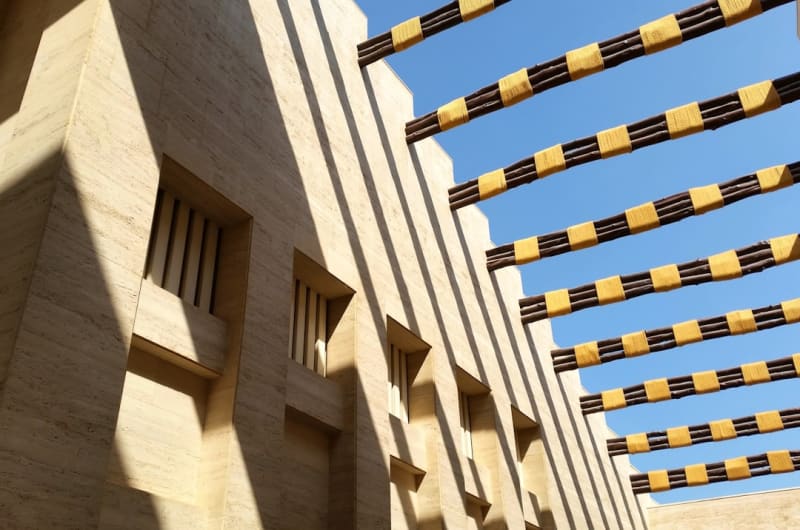 qatar
qatar Katara Cultural Village
A seaside arts district in Doha where a Greek-style amphitheater, pigeon towers, and an ornate Persian mosque sit within walking distance of each other.
Explore qatar
qatar Khor Al Adaid
The Inland Sea — where Qatar's southern dunes collapse into a tidal inlet of the Gulf and the landscape becomes genuinely surreal.
Explore qatar
qatar Mathaf: Arab Museum of Modern Art
A museum in Education City that holds the Arab world's modern art history — the one the Western canon decided to leave out.
Explore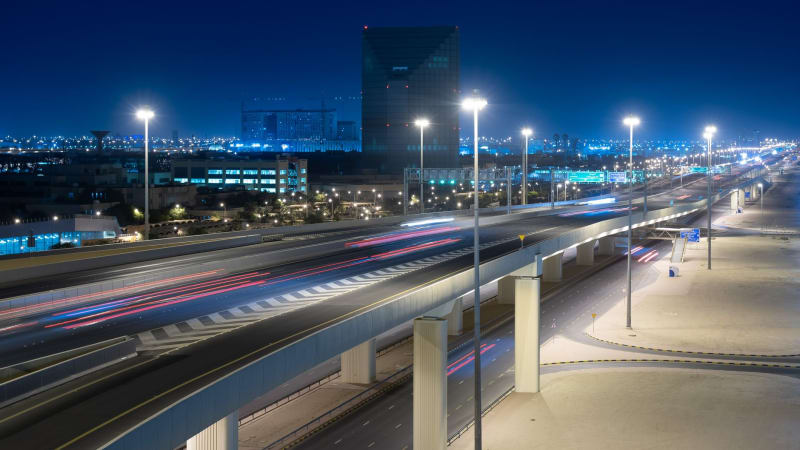 qatar
qatar Msheireb
Doha's most thoughtful neighborhood — a regenerated downtown built on the bones of the old merchant quarter with four museums in its heart.
Explore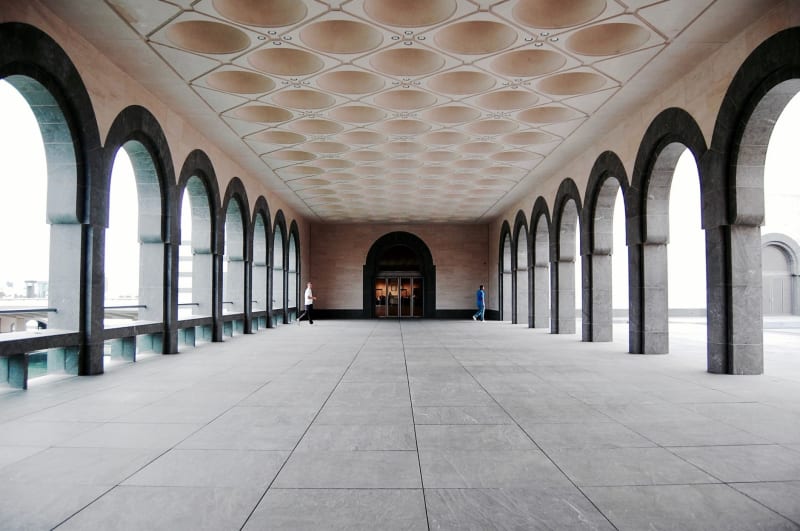 qatar
qatar Museum of Islamic Art
I.M. Pei's white geometry rising from the bay — a building that earned the right to hold fourteen centuries of civilization.
Explore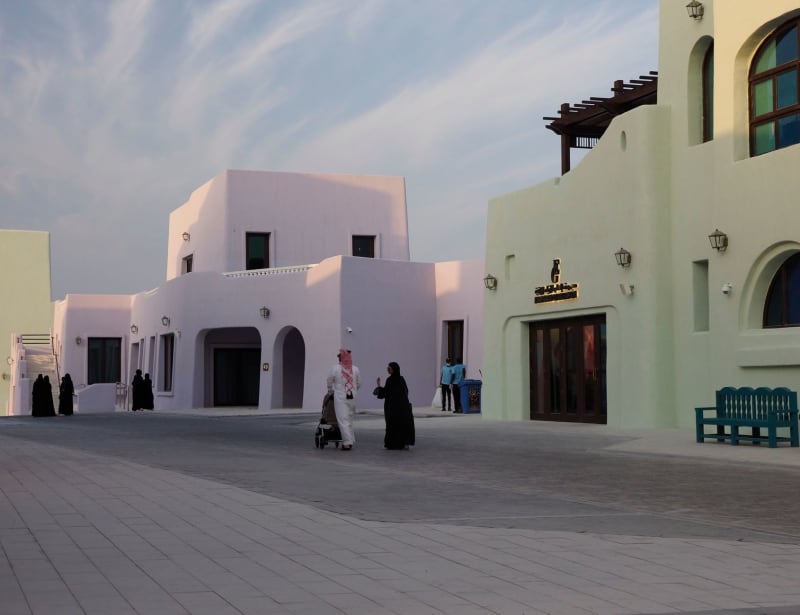 qatar
qatar Sealine Beach
Where the dunes of the Mesaieed desert walk straight into the Gulf and the horizon does something it shouldn't be able to do.
Explore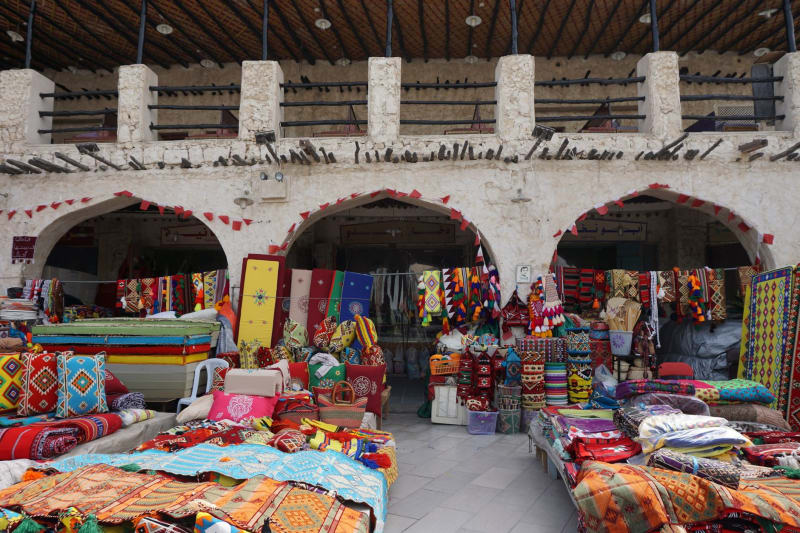 qatar
qatar Souq Waqif
Doha's old market where oud smoke and grilled spices turn the evening air into something you can almost taste.
Explore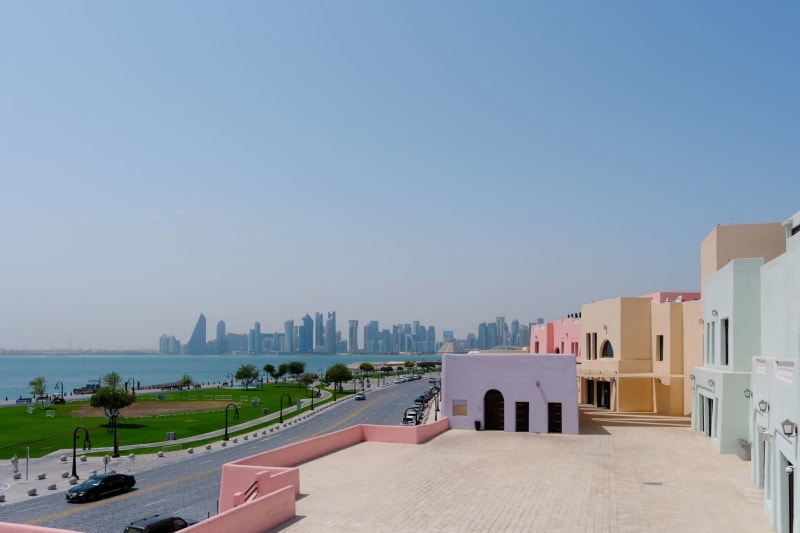 qatar
qatar The Pearl-Qatar
An artificial island built on a former pearl-diving site where Doha went to practice being Monaco and almost got there.
Explore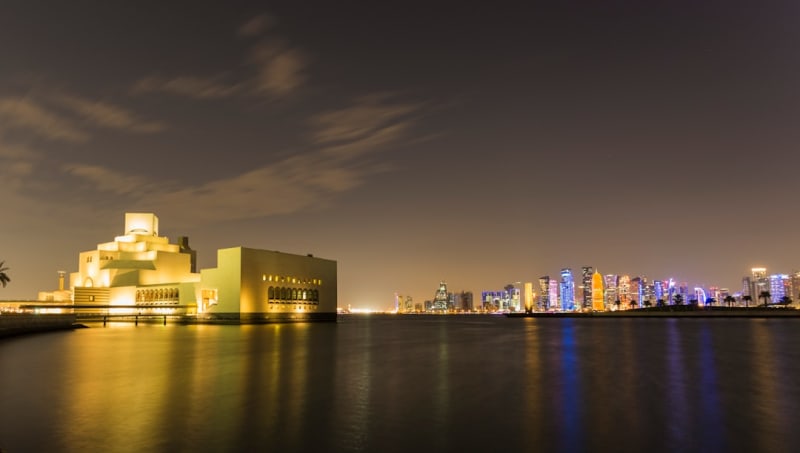 qatar
qatar Zekreet Peninsula and Film City
A wind-carved coastline where a Richard Serra installation and an abandoned movie set sit alone in the desert light.
Explore