Troia
"The rose window at Troia looks like it was crocheted, not carved. I still don't understand how they did it in stone."
A small Tavoliere town built around one of the finest Romanesque cathedral facades in southern Italy, its rose window carved like lace out of solid stone.
We nearly drove past Troia entirely. It sits a little off the main road between Lucera and Foggia, a modest town of maybe seven thousand people, nothing in its approach suggesting what’s waiting in the center. Then the road opens onto the piazza and there’s the cathedral facade, and I actually pulled the car over before we’d found parking, because you don’t want to be driving when you first see that rose window.
It’s a single circle of stone cut into eleven, then further subdivided, so that the whole thing reads less like architecture and more like something spun rather than chiseled — a solar disc rendered in Apulian Romanesque limestone from the twelfth century, unlike anything else I saw in the region, including cathedrals with far bigger reputations. The bronze doors below it, cast by Oderisius of Benevento, are covered in relief panels of animals and biblical scenes, worn smooth in places by eight centuries of hands. Lia spent a good twenty minutes just tracing the geometry of the window with her eyes, trying to work out the pattern, and never quite managed it, which I think is the intended effect.
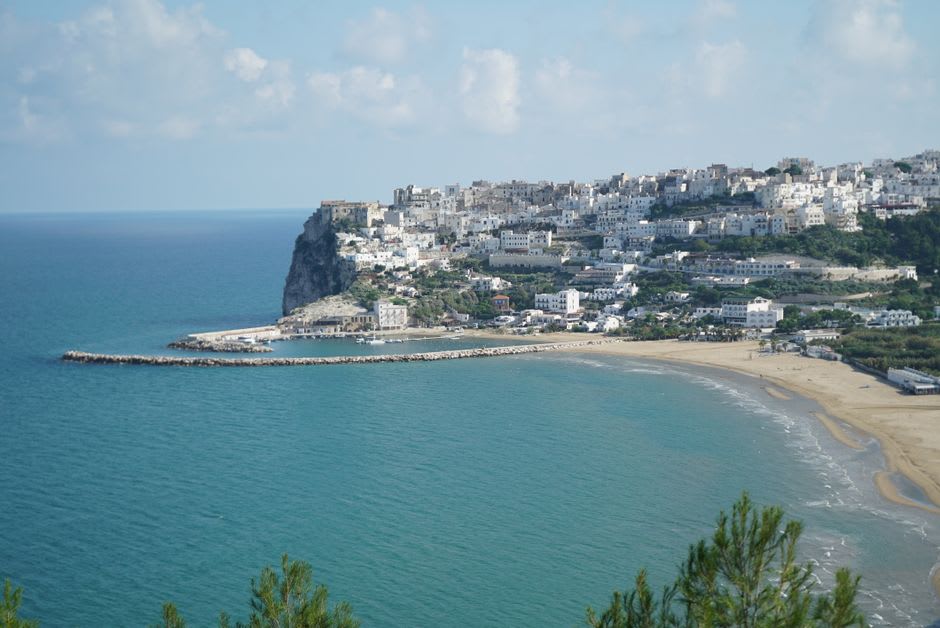
Inside, the cathedral has an elevated women’s gallery running around the nave — a structural leftover from Byzantine influence in this part of Puglia — and an ambo, a raised pulpit, carved with the same obsessive geometric detail as the facade outside. We sat in a pew for a while in the cool half-light, the kind of quiet that only very old, very solid buildings manage, before wandering out into the piazza where the town’s daily rhythm had resumed around us: an elderly man setting up a folding table of vegetables, two women mid-argument about something that involved a lot of hand gestures and no apparent hostility, a dog asleep directly in the sun.
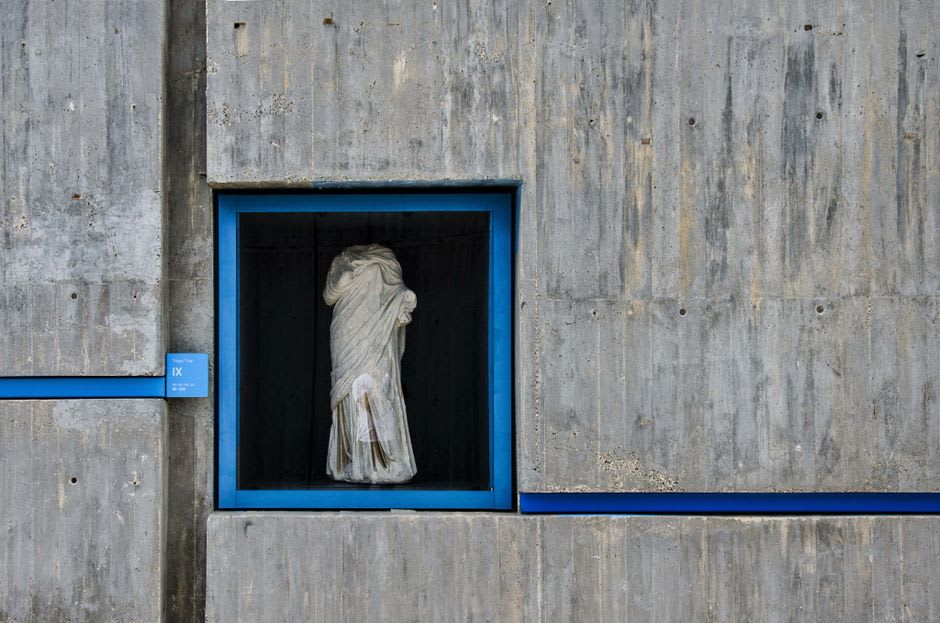
We ate simply — a plate of fave e cicoria, the classic Pugliese fava bean puree with wild chicory, at a bar just off the piazza — and the owner, hearing we’d come specifically for the cathedral, seemed genuinely moved that anyone had. Troia doesn’t get many visitors who aren’t already headed somewhere bigger. It deserves to be the destination, not the detour.
When to go: Any time outside peak summer heat — the town has little shade and the piazza can bake by midday in July and August. Late afternoon light on the rose window, in any season, is the reason to time your visit for the golden hour before sunset.
Keep exploring
More from Puglia
 puglia
 Turi
A quiet cherry-growing town in the Terra di Bari countryside, surrounded by orchards and masserie, with a historic center built almost entirely from the region's pale local stone.
Explore puglia
 Ugento
An ancient Messapian town whose Torre San Giovanni frazione delivers a laid-back Ionian beach scene without the Instagram fame of its Salento neighbours.
Explore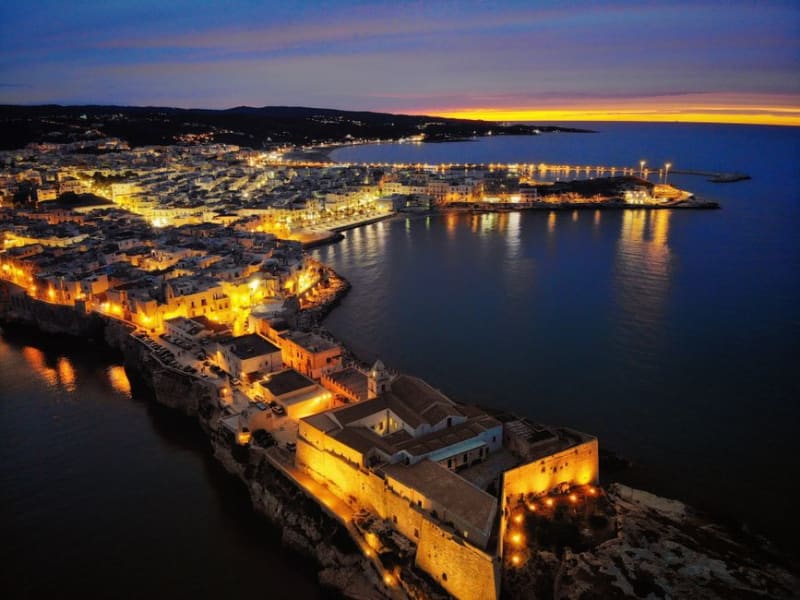 puglia
 Vieste
The Gargano's coastal capital — a white old town on a limestone spur, a sea stack rising offshore, and beaches that curve away in both directions for as far as you can walk.
Explore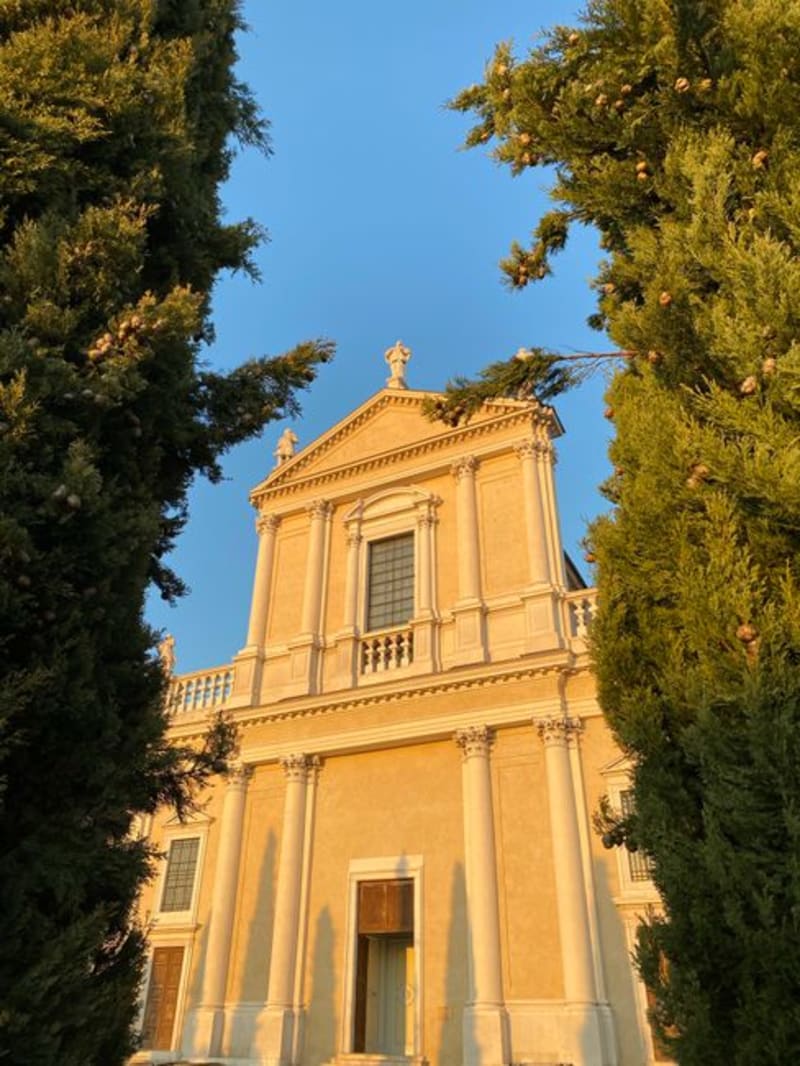 puglia
 Acquaviva delle Fonti
A countryside town in the Terra di Bari known for its cured meats and its Wednesday livestock market, ringed by farmland and the masserie that supply the region's butchers.
Explore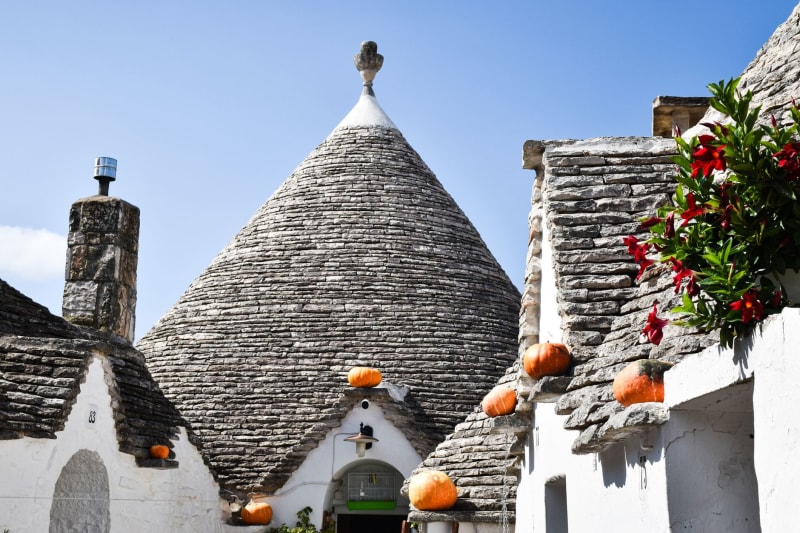 puglia
 Alberobello
The only town in Europe where the houses look like something a child drew from memory — and somehow it works completely.
Explore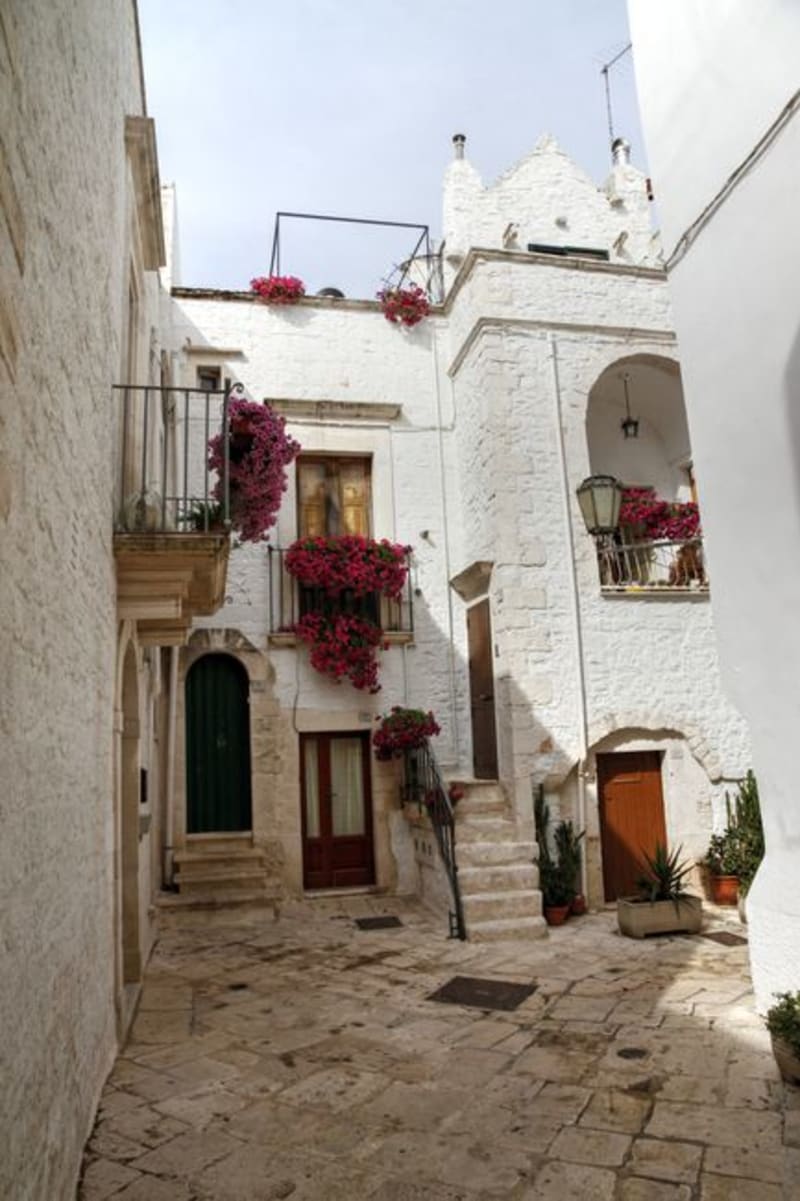 puglia
 Altamura
Home of the DOP bread so good it has its own protected designation, a Norman-Swabian cathedral, and a 250,000-year-old Neanderthal skeleton found in a cave nearby.
Explore