Rodi Garganico
"Rodi Garganico smells like orange blossom before it smells like the sea — the groves come right up to the edge of town."
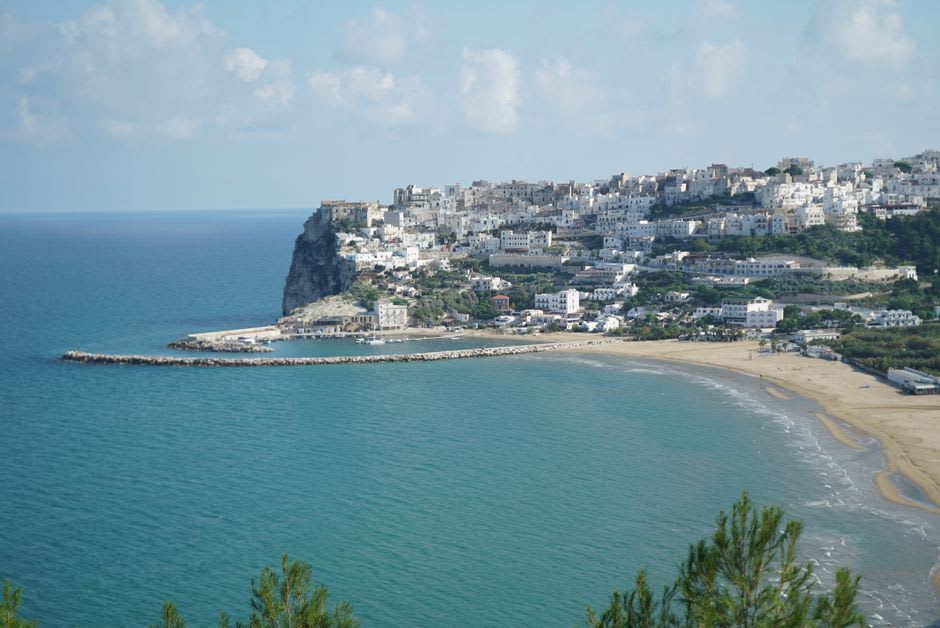
A quiet citrus-scented port town on the Gargano's northern coast, its old quarter perched on a small headland above the ferry docks to the Tremiti Islands.
A town built on citrus
Long before the Gargano became a beach destination, Rodi Garganico was known for citrus — the groves here, sheltered by the massif and irrigated by underground springs, produce oranges and lemons famous across southern Italy since at least the Middle Ages, and they still ring the town on every side. Driving in during blossom season, the smell arrives before the sea does, which is a strange and pleasant way to enter a coastal town.
The old quarter
The historic centre sits on a small rocky headland jutting into the Adriatic, streets narrow enough that opposing balconies nearly touch overhead, and a scattering of miradors — small stone balconies built onto the outer walls specifically so residents could watch for approaching Saracen raiders — that give the whole quarter an oddly fortified, watchful architecture even though nothing has threatened it in centuries. We wandered up around sunset and found ourselves at one of the miradors just as the light went orange over the water, which felt appropriately on theme for a citrus town.
Harbour and ferries
Rodi Garganico’s harbour is one of the main departure points for the Isole Tremiti, and the town has the unhurried rhythm of a place that services a ferry schedule rather than performs for tour buses — fishermen mending nets on the quay in the morning, a handful of harbourside restaurants filling up around eight, ferry passengers coming and going in bursts between sailings. We used it as our base for the Tremiti trip and were glad of the quieter mornings and evenings it gave us compared to staying in Vieste.
The beach below
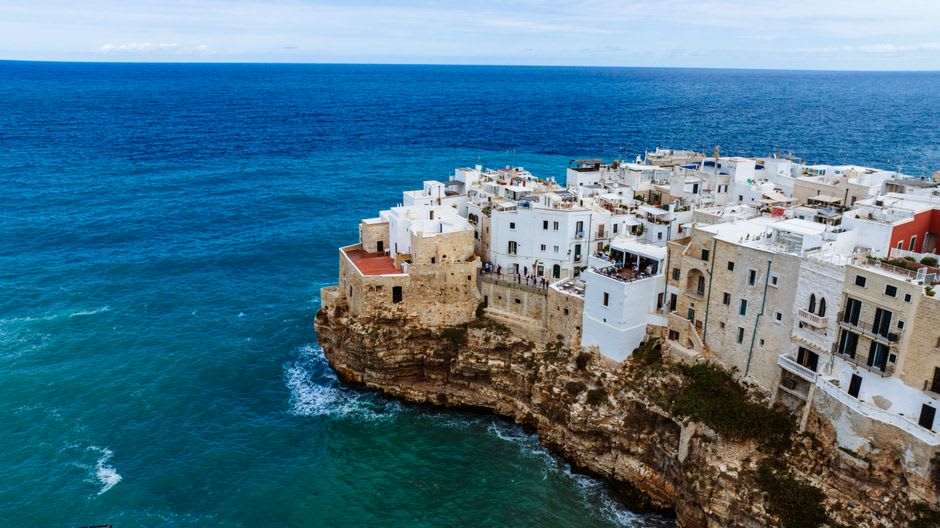
Below the headland, a long sandy beach stretches west toward San Menaio, backed by pine woods that give welcome shade in the hottest part of the day — we spent a slow afternoon there after the Tremiti crossing, doing very little beyond reading and periodically wading into water that stayed shallow and warm for a surprising distance out.
When to go: May for citrus blossom and quiet streets, or June through September for beach weather and the full Tremiti ferry schedule. It’s a good, calmer alternative to basing yourself in Vieste if you want easy island access without the peak-season crowds.
Keep exploring
More from Puglia
 puglia
 Rutigliano
A Terra di Bari countryside town famous for its terracotta whistles and ceramics tradition, surrounded by vineyards and almond groves that come alive every August for the harvest festival.
Explore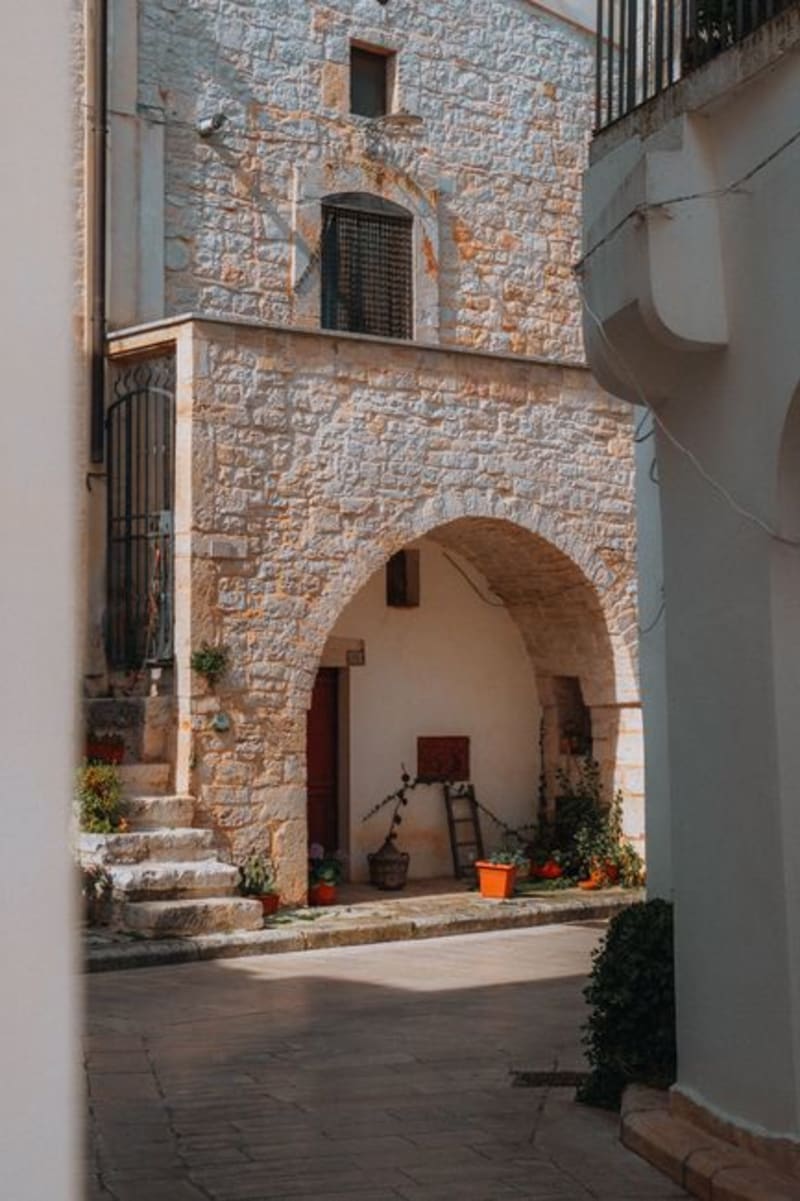 puglia
 Ruvo di Puglia
A quiet Murge hill town famous for the red-figure vases its ancient necropolis produced by the thousand, and a cathedral rose window that outclasses towns ten times its size.
Explore puglia
 Salve
A small inland Salento town whose territory reaches the Ionian at Pescoluse and Torre Pali, offering a quieter home base than the coast itself.
Explore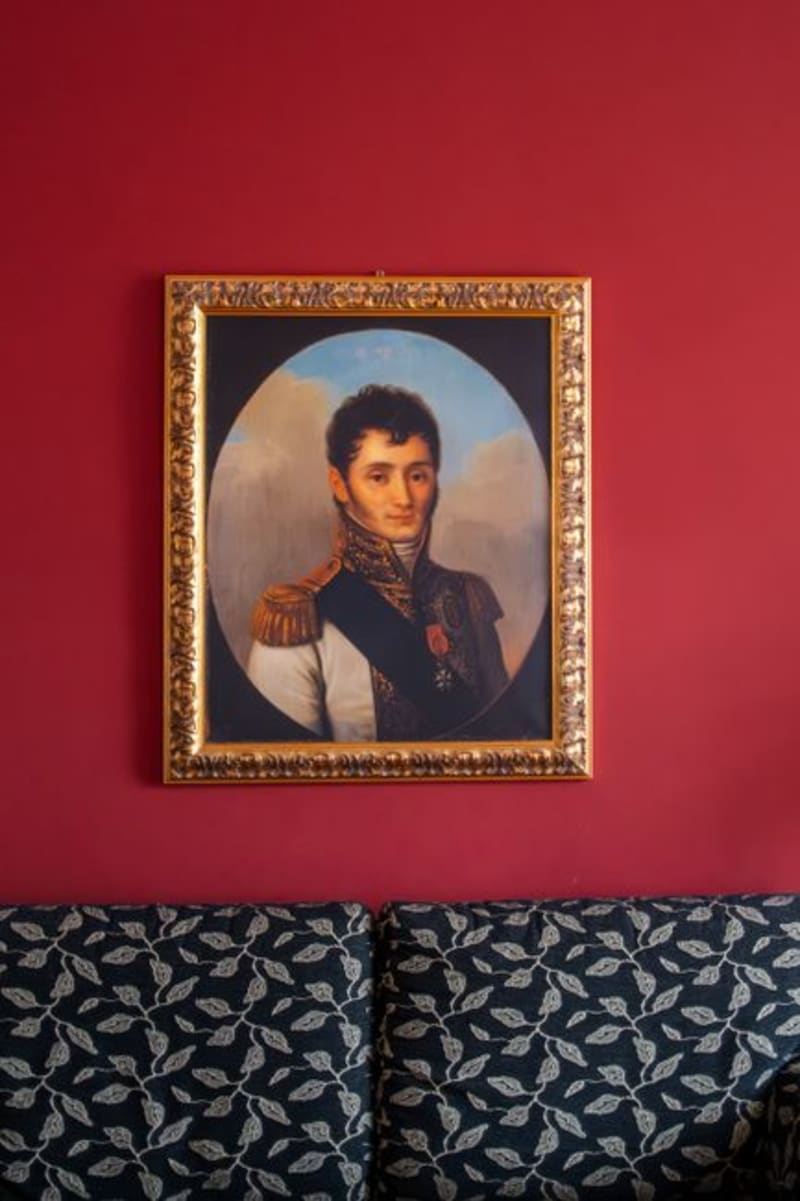 puglia
 Sammichele di Bari
A small fortified countryside town on the edge of the Murgia plateau, known for its Baroque gate, its capocollo cured meat, and the quiet farmland that surrounds it on every side.
Explore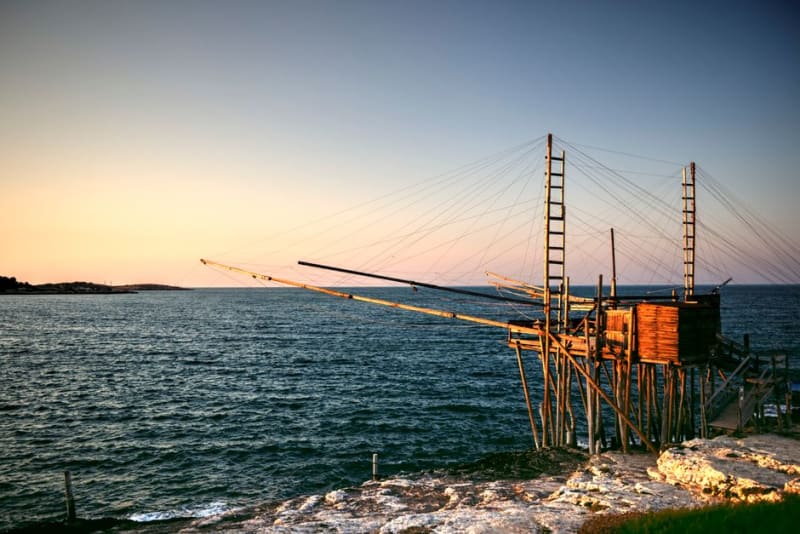 puglia
 San Foca
A small Adriatic fishing marina near Melendugno that turns into one of Salento's most relaxed summer bases, with cliffside swimming spots just up the coast.
Explore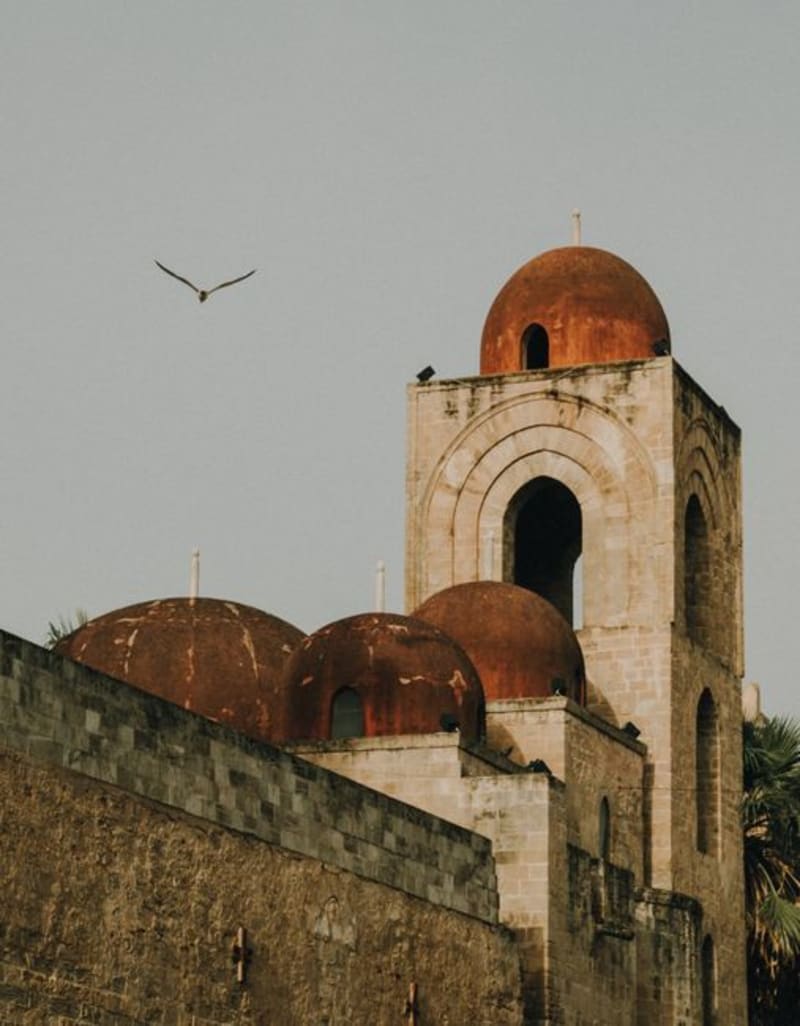 puglia
 San Giovanni Rotondo
A pilgrimage town built around the friary of Padre Pio, where a modern Renzo Piano church shares the hillside with the humble cell where the saint lived and bled for fifty years.
Explore