Castel del Monte
"Nobody agrees what Castel del Monte was for. That, more than the architecture, is what kept me standing in that courtyard for an hour."
Frederick II's octagonal riddle of a castle, alone on a hilltop in the Murge with no moat, no defensive purpose anyone can quite agree on, and a geometry that still unsettles mathematicians.
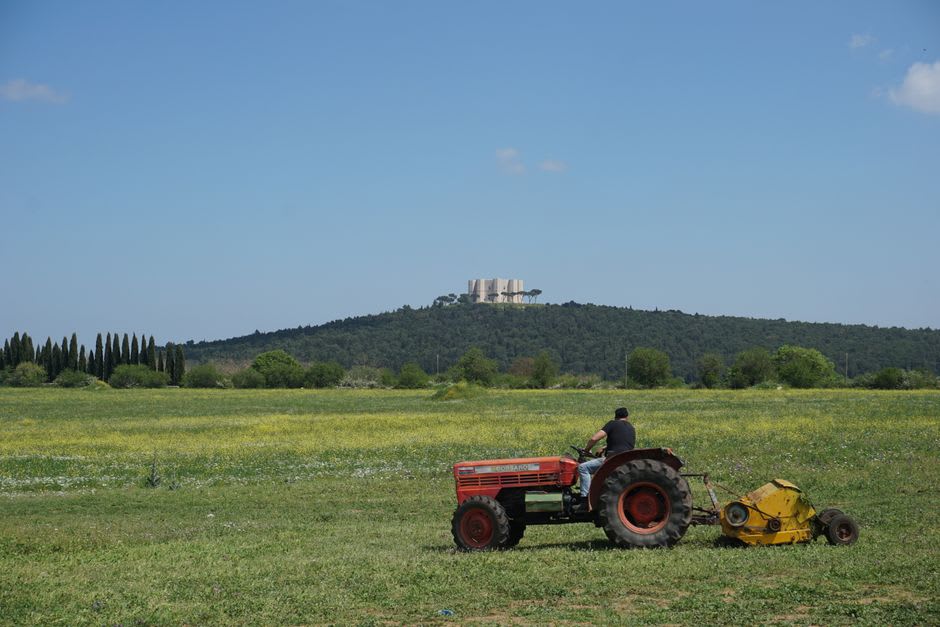
I drove up from Andria on a road that climbs steadily through olive groves and almond trees until the land opens and there it is, alone on its hill with nothing around it for kilometers — no town, no village, just a perfect octagon of pale stone standing in the wind like a geometric proof someone left out in the weather. Castel del Monte was built in the 1240s by Frederick II, the Holy Roman Emperor known as Stupor Mundi, the wonder of the world, and eight centuries later it still generates more questions than answers about what exactly he wanted it for.
It is not a defensive structure in any conventional sense. No moat, no drawbridge, no stables, no kitchens that anyone has found, arrow slits too small and oddly placed to be useful. The whole building is organized around the number eight — an octagonal main structure with eight octagonal towers at each corner, eight rooms on each of two floors, an octagonal courtyard at the center — a numerological obsession that scholars have connected to everything from Frederick’s interest in Arabic mathematics and astronomy to his fascination with the octagonal Dome of the Rock, which he had seen during his crusade. Some think it was a hunting lodge. Some think it was built as an astronomical instrument, its walls and windows aligned to solstices. Nobody actually knows, and the not-knowing is part of what makes standing in it so unsettling.
Inside, the rooms are largely bare now — stripped over centuries by looters who took the marble facings, the columns, even, according to some accounts, an entire staircase — but the bones of the place are extraordinary: cross-vaulted ceilings, sophisticated water and ventilation systems for a thirteenth-century building, evidence of a bathroom with what may have been a functioning toilet system centuries ahead of most of Europe. Frederick was a genuinely strange and brilliant figure, fluent in six languages, excommunicated twice by the Pope, more interested in falconry treatises and Arab astronomers than in crusading piety, and the castle feels like a physical expression of that restless, syncretic mind rather than a straightforward fortress.
I went at the end of the day, deliberately, because the light does something to the pale local stone that turns it gold and then rose and then a kind of ash grey as the sun drops, and the crowds that fill the site at midday thin to almost nobody. Standing in the empty courtyard with the wind moving through the empty window frames, the eight sides repeating around me with a precision that felt almost aggressive in its perfection, I understood why UNESCO calls it a unique masterpiece of medieval military architecture despite it not obviously being military architecture at all.
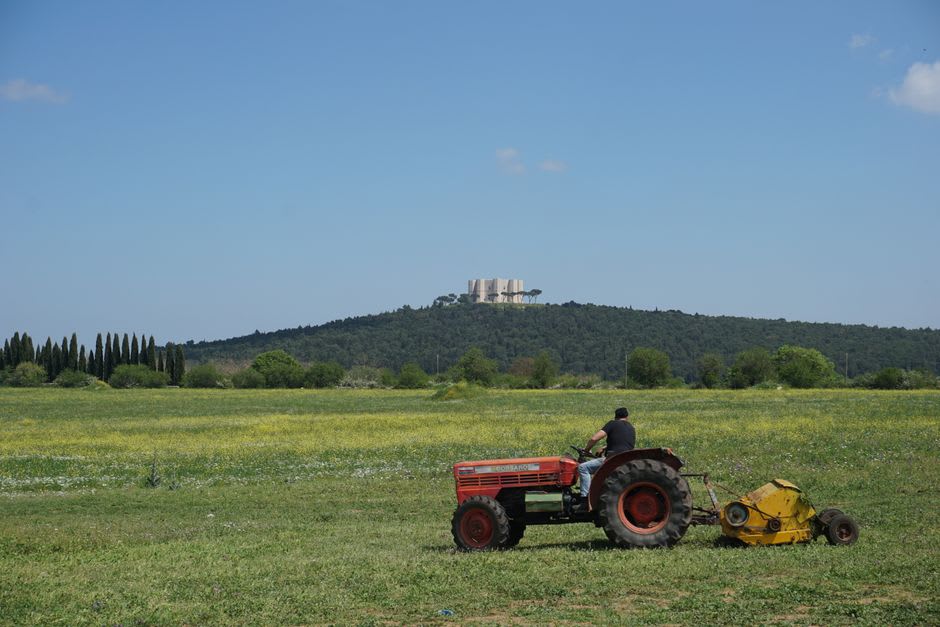
When to go: Late afternoon, any season, for the light. Spring and autumn avoid both the summer heat baking the exposed hilltop and the coach-tour crowds that peak in July and August. There’s no shade and no real shelter, so dress for the exposure — this is a hill built for wind, whatever else it was built for.
Keep exploring
More from Puglia
 puglia
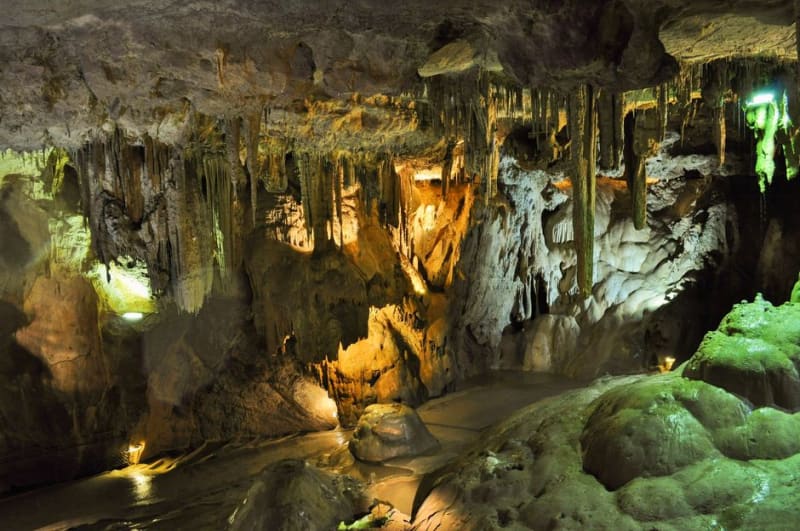
 Grotte di Castellana
Italy's largest show cave system, ninety metres underground, where a passage called the Grave opens into a cavern big enough to make you whisper without meaning to.
Explore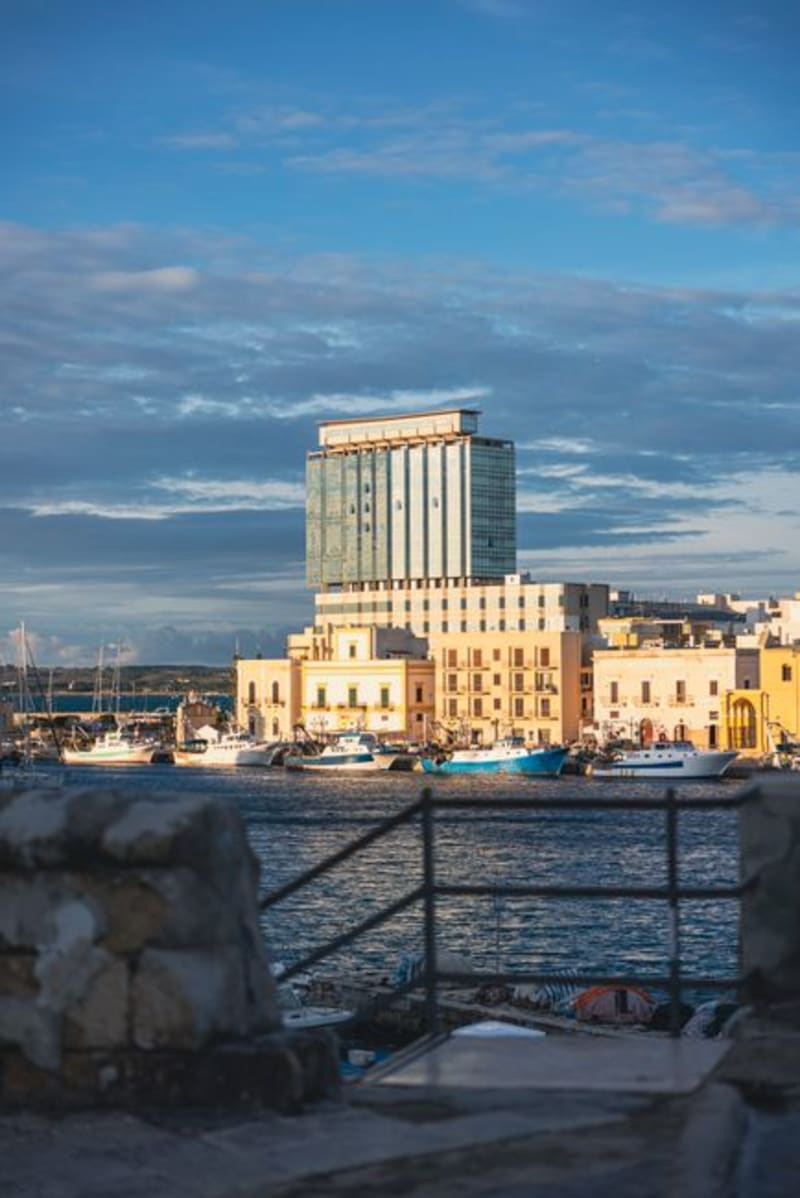 puglia
 Castro Marina
A cliffside Adriatic village whose real attraction lies underneath it — the Zinzulusa cave, a limestone grotto of stalactites, blind fish, and passages still being explored.
Explore puglia
 Ceglie Messapica
A quiet whitewashed town between Ostuni and Martina Franca that Pugliesi quietly call the region's best table — no coastline, no crowds, just extraordinary food.
Explore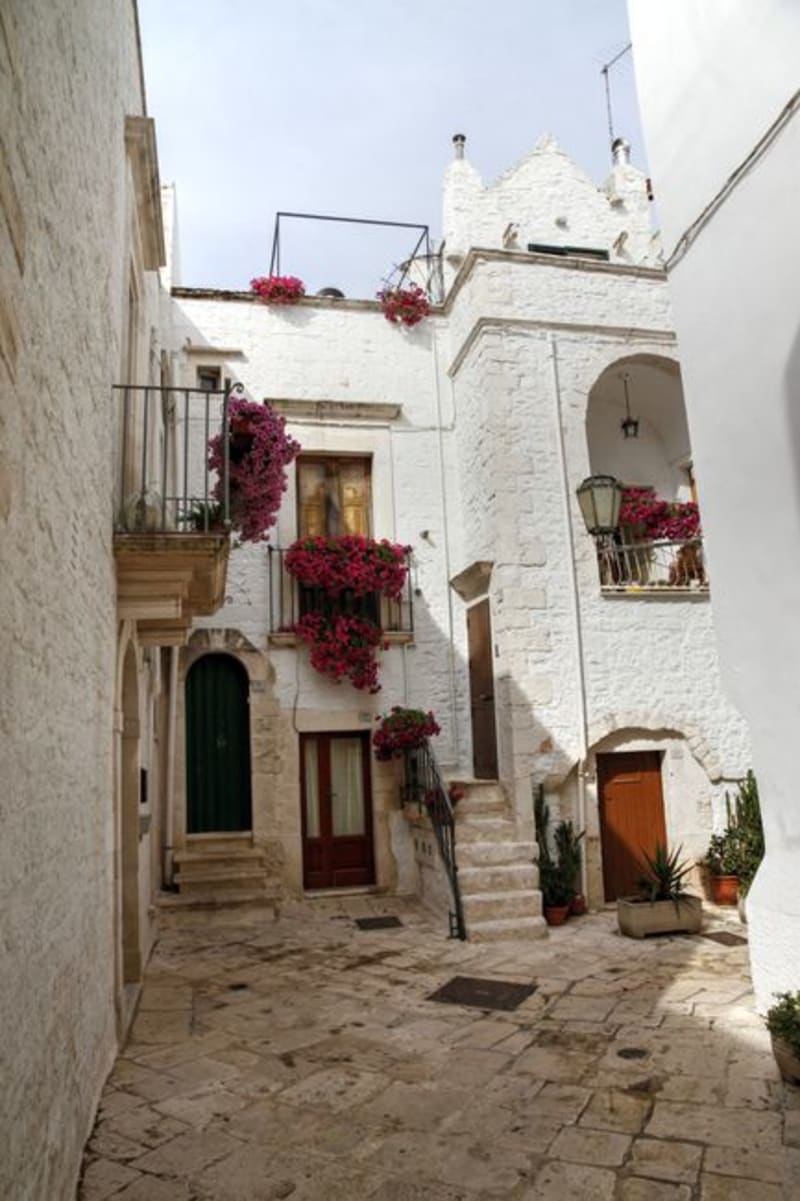 puglia
 Cerignola
The self-declared olive capital of Italy, a sprawling agrotown on the Tavoliere built almost entirely on giant green Bella di Cerignola olives and a fiercely local, unglamorous pride.
Explore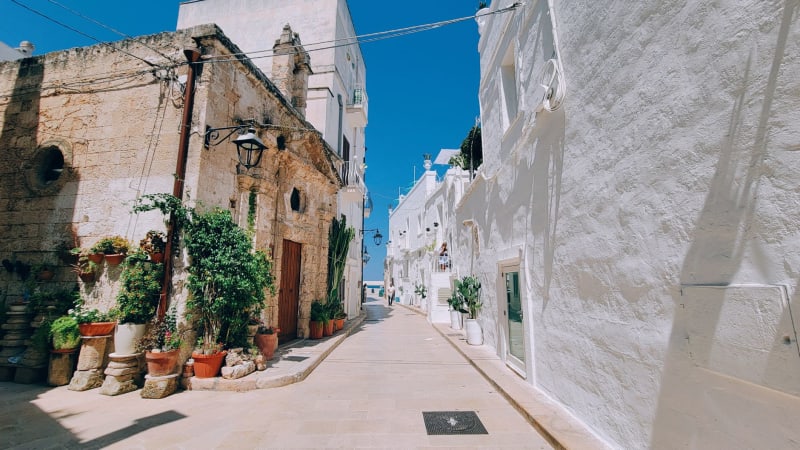 puglia
 Cisternino
A whitewashed hilltop village in the Valle d'Itria where the butcher shops cook to order and the view into the trulli valley below is worth the climb.
Explore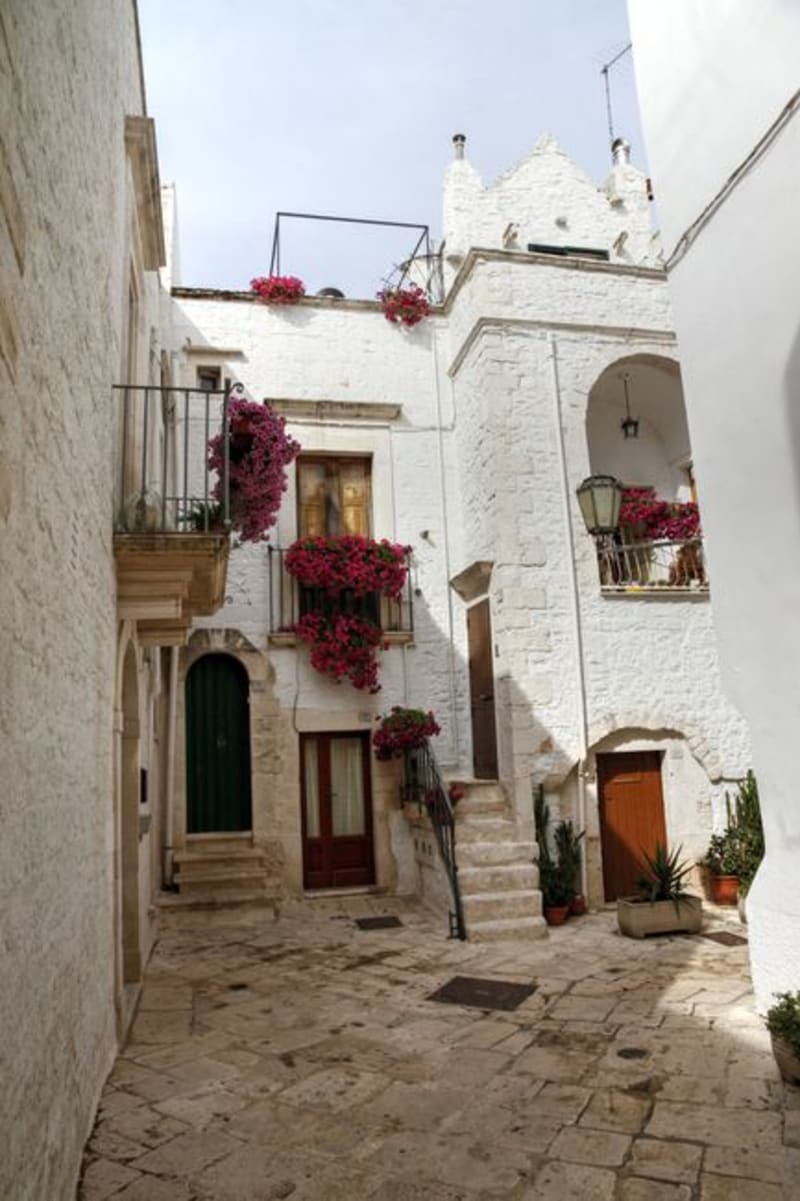 puglia
 Conversano
A hilltop town in the Terra di Bari crowned by a Norman-Aragonese castle, surrounded by drystone walls, almond orchards, and the countryside masserie that supply half of Bari's markets.
Explore