
Victoria-by-the-Sea
"Within thirty minutes of arriving I had slowed to the village's pace. By evening I couldn't remember what I'd been rushing toward."
Victoria-by-the-Sea has seventy-five permanent residents and, for six weeks in summer, approximately every literary tourist in Atlantic Canada. It is a village so small that the coffee shop and the chocolate shop and the playhouse and the antique store all know each other’s business, which in this case is not a criticism — they appear to genuinely enjoy the arrangement. The village exists at a pace that makes you feel slightly rushed if you arrive having driven the Trans-Canada, and the only solution is to stop.
I turned off the highway onto the road that descends toward the water and felt the speed drain out of the car like a physical thing. The main street, such as it is, runs three blocks from the water. Painted Victorian cottages in cream and butter yellow and the occasional brave blue. Window boxes with petunias. A dog sleeping on a doorstep. The kind of composed prettiness that looks staged until you notice the paint is genuinely old and the dog is genuinely asleep and nobody arranged any of it — it simply accumulated this way across a hundred and fifty years.
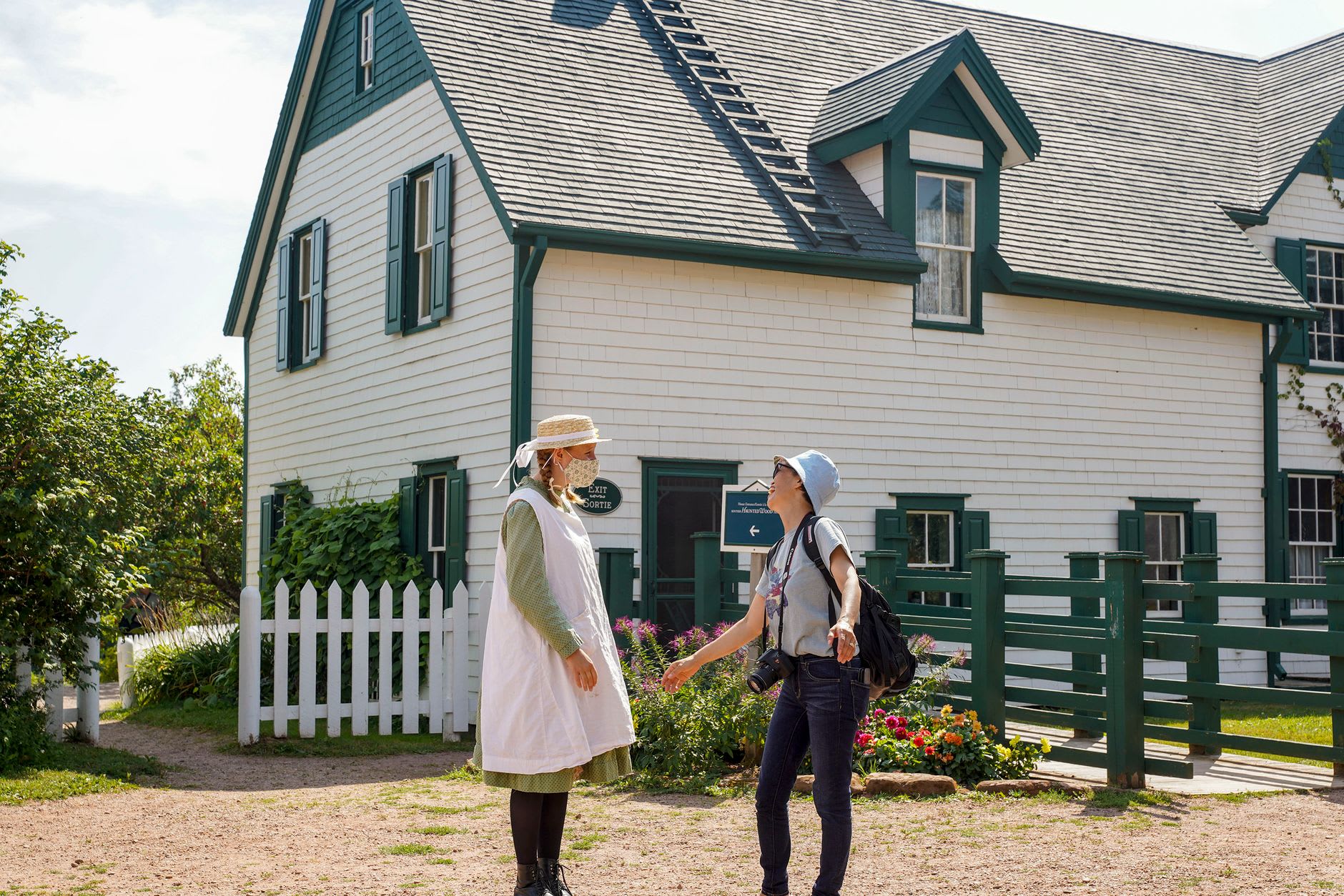
The chocolatier on the main street — operating under various names over the decades but continuous in its expertise — makes handmade chocolates with the quiet authority of a craft that has been refined so long it no longer needs to announce itself. I bought a salted caramel and a mint dark chocolate and ate them sitting on the harbour wall, and for about four minutes entertained a version of retirement that involved living within walking distance of this particular chocolate shop. The salted caramel was the best argument for it.
The Victoria Playhouse is a one-hundred-and-fifty-seat theatre in a former community hall that runs a serious summer program — not amateur productions but professional theatre performed by a company that understands the acoustics of a wooden room in a way that large purpose-built venues rarely do. The intimacy changes what you watch. I saw a one-person show about the Halifax Explosion that would have been a competent history lesson in a bigger theatre and was genuinely moving in this one, the performer close enough that you could hear her breathing between scenes.
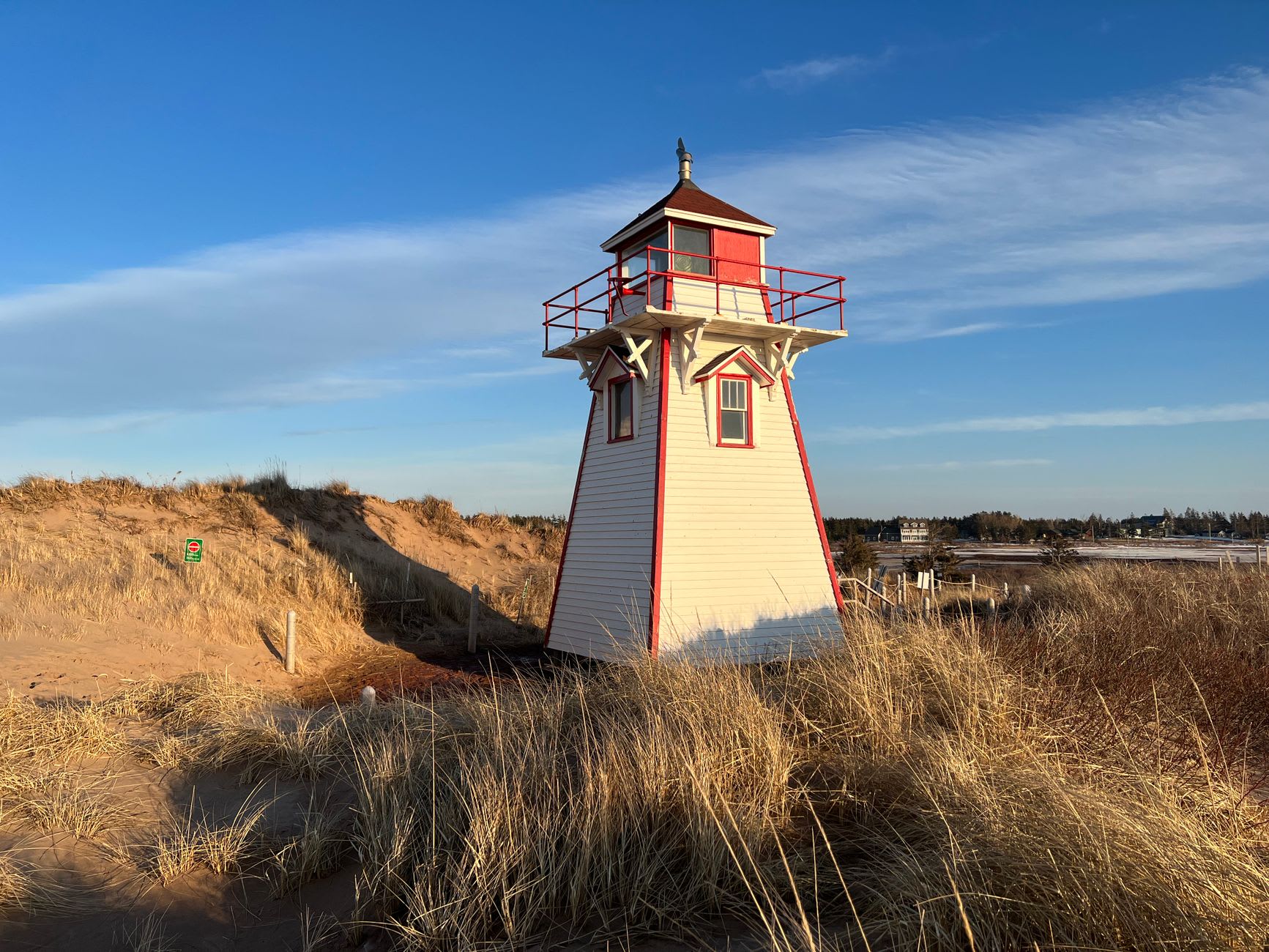
The harbour below the village is the kind you see in paintings on guesthouse walls everywhere in Atlantic Canada and think must be an idealization — the little boats, the coloured hulls, the lobster traps stacked at the end of the dock. Here it’s not. I sat on the wharf and watched a woman scrubbing the bottom of an aluminum skiff with methodical attention, her radio playing something country and clear in the salt air. Nothing was performed for anyone. There is nothing to do in Victoria-by-the-Sea that takes more than a half-day, and that’s entirely the point.
When to go: July and August for the playhouse season and the full summer pulse of the village. September for the quieter version — most of the tourists gone, the chocolate shop still open, the light going golden earlier in the afternoon, and the harbour yours for an hour at a time.