Malpeque
"I ate two dozen at the wharf with a plastic cup of mignonette and the wind in my face. No improvement was possible."
I had eaten Malpeque oysters at restaurants in Montreal and Vancouver and various places in between — those small, briny, mineral-forward bivalves that arrive on ice with lemon wedges and the name in small print on the menu as though the provenance is incidental. It is not incidental. When you stand on the shore of Malpeque Bay and feel the cold wind off the water and understand that these flat estuarine expanses, this particular marriage of salt and fresh, this specific microclimate of tide and current, is exactly where those oysters come from, the restaurant version begins to seem like a photograph of a painting. Technically accurate. Not quite the thing itself.
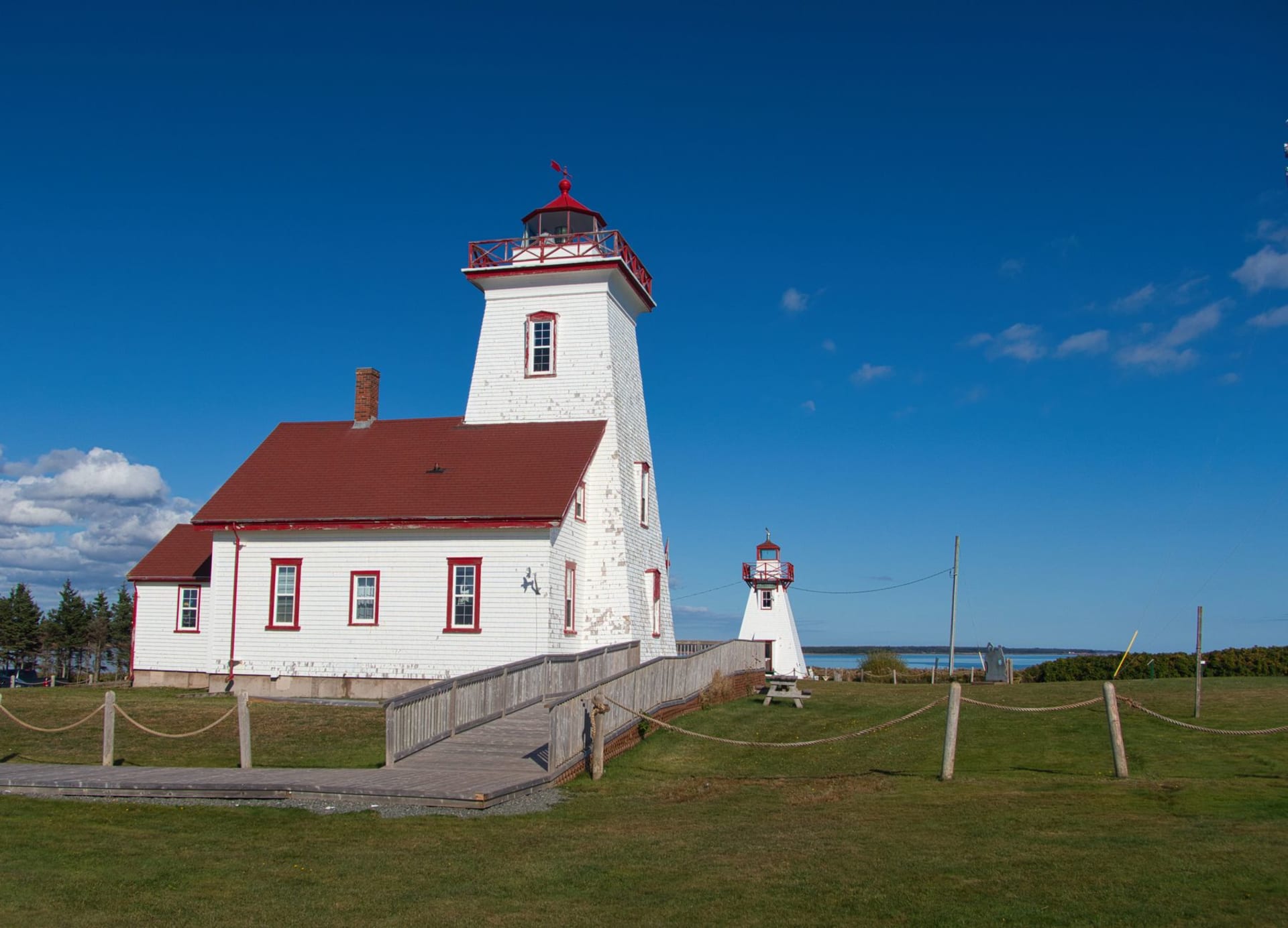
Malpeque is not a town so much as a bay and a scattering of community — a wharf, a small cannery building, a few houses, a provincial park at Cabot Beach. The bay is enormous and shallow and protected from the open gulf by a barrier of dunes and sandbars, which creates the brackish, mineral-rich water that gives Malpeque oysters their particular quality. I bought two dozen from a man at the wharf who opened them on a board with the confidence of someone who has done this ten thousand times, and ate them standing there with a plastic cup of mignonette and the wind in my face. Two dozen was the right number.

There is not much to do at Malpeque beyond the oysters and the water, which means you do both with proper attention. The provincial park beach at Cabot Beach is one of the north shore’s quieter ones — the campground keeps the numbers manageable and the beach faces north across the bay rather than directly into the gulf, so the water is calmer and, by August, genuinely swimmable in a way that doesn’t require commitment or bravery. I set up my camp chair at the waterline and read for three hours without once feeling I should be doing something else. That is Malpeque’s specific gift.
The drive along the north shore to reach here passes through communities where French appears on shop signs — Kensington, Miscouche further west — and the landscape takes on a subtly different character. The farmhouses are differently proportioned, the church spires more emphatic, the names on the mailboxes suggesting a different history. The island wears two distinct cultures and mostly they coexist with the politeness of long neighbors, occasionally with the quiet pride of communities that remember what they nearly lost.

In August the oyster boats work early and late, and if you’re camping at Cabot Beach you can hear the engine sounds across the water before dawn — a low, purposeful hum moving toward the beds. I found this sound restful rather than disturbing. Someone was already at work on the thing that made this place matter, and their work would make its way onto a menu in Montreal by the end of the week. That continuity felt like something worth attending to.
When to go: August for the Malpeque Oyster Festival, when the bay and wharf turn festive. Otherwise any time from June through September works — the oysters are being harvested continuously through the season, and the bay is at its most beautiful in the low September light when the summer visitors have thinned.