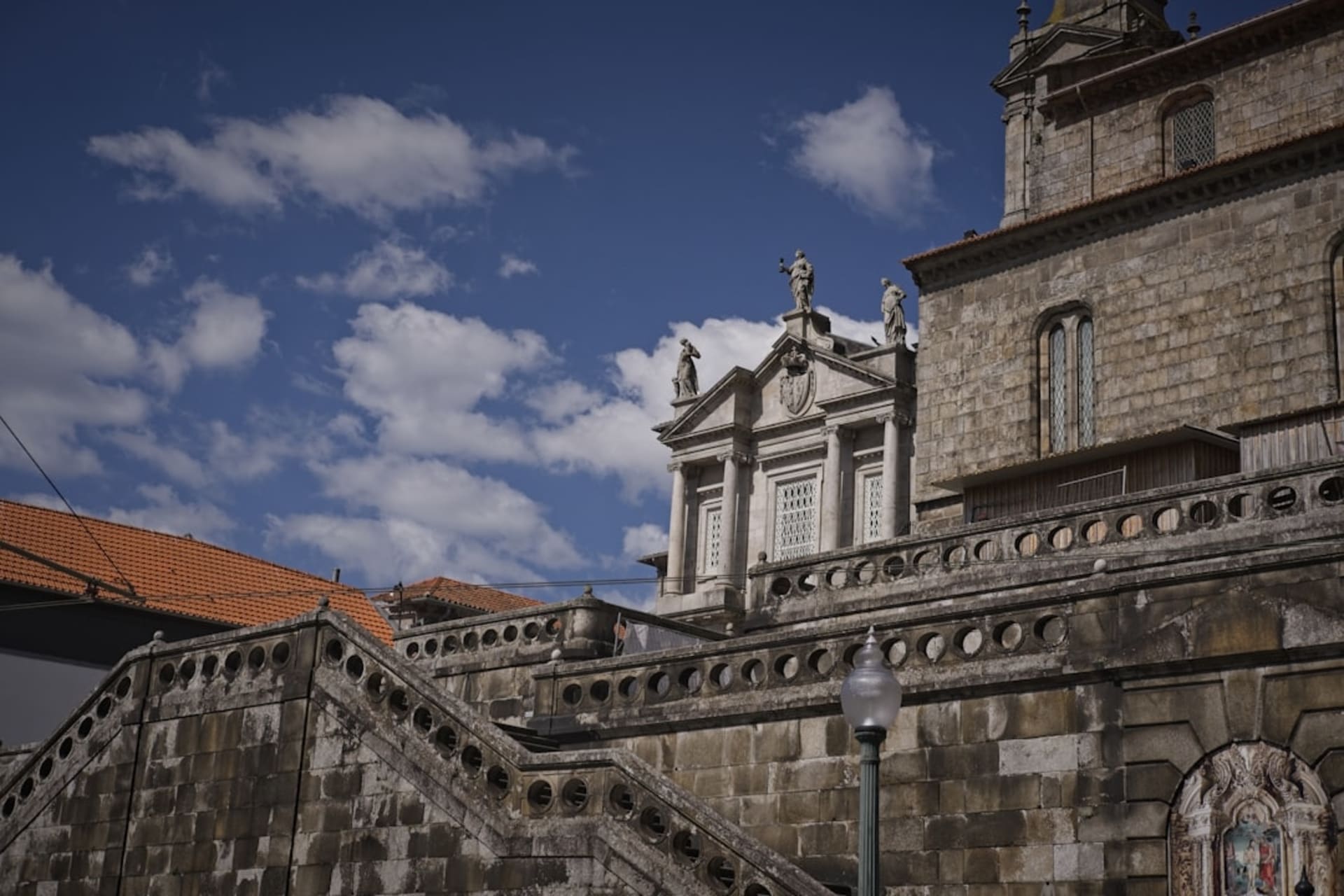
Viana do Castelo
"Viana do Castelo is the town that taught me the Portuguese coast doesn't need to be famous to be perfect."
A river-mouth town where the Lima meets the Atlantic, crowned by a hilltop basilica and still stitched with the embroidered folk costumes that make its festivals the most photographed in northern Portugal.
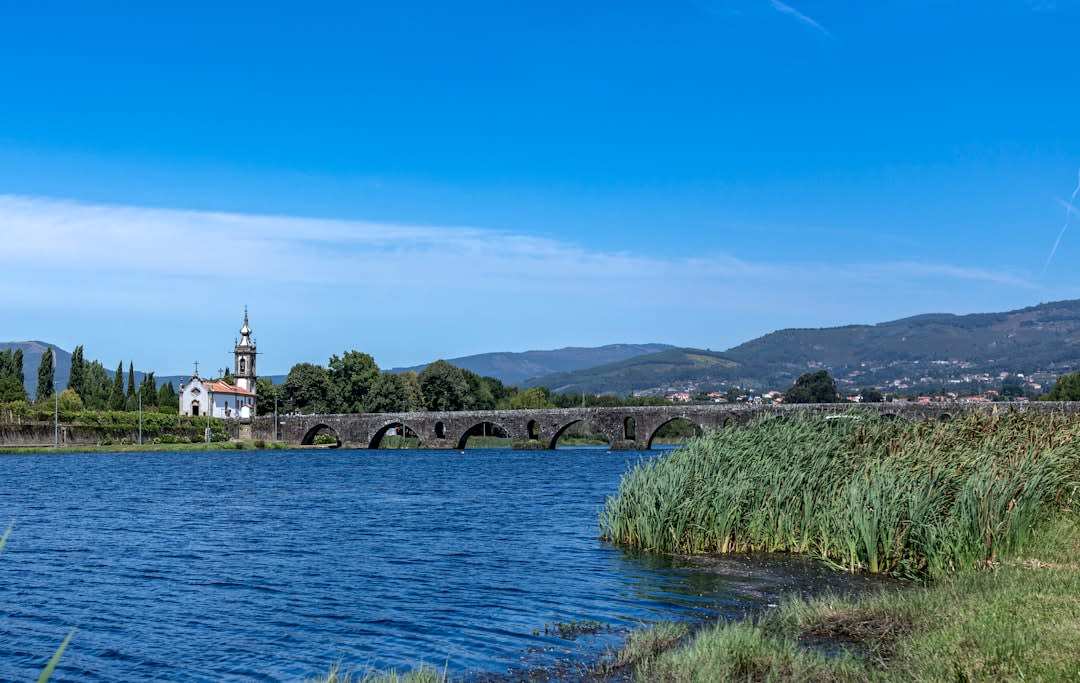
I arrived in Viana do Castelo off the Minho coastal road, and the first thing that struck me was the light — flatter and more silver than further south, the Atlantic here somehow colder and more serious, throwing itself against a long sandy beach on the far side of the river mouth. The town sits where the Lima river finally gives up and becomes ocean, and everything about it feels shaped by that meeting: fishing boats tied along the quay, gulls fighting over scraps at the market, and a skyline dominated not by a church tower but by a funicular line running straight up the hillside behind town to a basilica that looks, from a distance, like something airlifted in from Paris.
A Basilica With a View, and a Festival With a Costume
The Santa Luzia basilica, all white domes and neo-Byzantine ambition, was only finished in the 1920s, which makes it almost embarrassingly young next to the medieval core below — but the reason to climb up (or take the funicular, which I did, no shame) isn’t really the church itself. It’s the view: the Lima curling out to the Atlantic, the old town’s red roofs packed along the riverbank, the long Atlantic beach stretching south. I stood at the mirador behind the church for a good twenty minutes doing nothing but watching fishing boats thread the harbor mouth below.
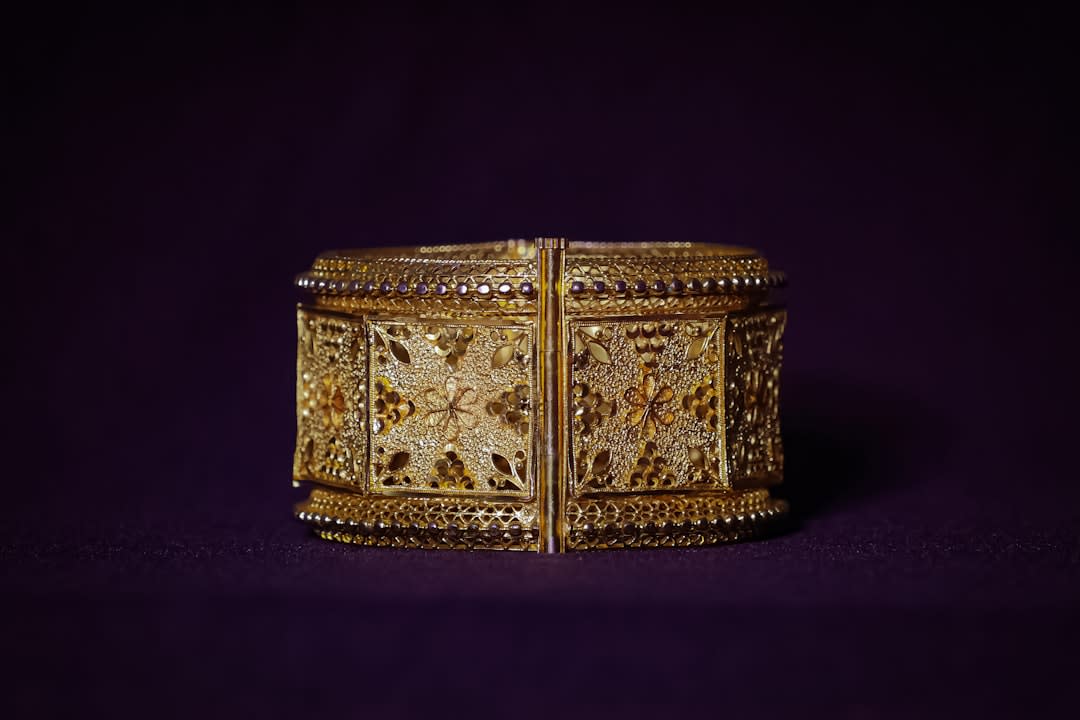
Down in the old town, I got lucky — I’d arrived a few days before Romaria de Nossa Senhora da Agonia in August, and half the shopfronts already had women in the traditional Minho costume out front: layered skirts, gold filigree jewelry piled thick on the chest, embroidered aprons in reds and blacks that take months to make by hand. An older woman selling embroidered linens off a folding table explained to me, patiently, that the jewelry isn’t decoration so much as inheritance — pieces passed mother to daughter, worn at festivals as a kind of walking family history. I bought nothing that day except a coffee and a lot of respect for how seriously this town takes its own traditions, not as performance for visitors but as something it would keep doing with or without an audience.
I ate that evening at a quay-side spot on grilled sardines and vinho verde, watching the light go copper over the river, and understood why this town, despite being objectively gorgeous, stays so quietly under the radar compared to Porto an hour south.
When to go: Late August, for the Romaria da Agonia — Portugal’s biggest folk festival, four days of costumes, fireworks over the river, and a Sunday procession that shuts down the whole town.