
Setúbal
"Setúbal doesn't dress up for anyone — it just keeps landing fish and letting the rest of us figure out how good we have it."
A working fishing port on the Sado estuary where dolphins still hunt in the harbor channel and the smell of fried cuttlefish drifts from every corner café.
I arrived in Setúbal on the local train from Lisbon, half an hour that felt like crossing into a different country, and the first thing that hit me was the smell — salt, diesel, and frying oil, all tangled together along the Avenida Luísa Todi where the fishing fleet ties up. This is not a town performing “quaint Portuguese port” for visitors; it’s an actual working one, with men in rubber boots hosing down crates at six in the morning and gulls fighting over scraps with the kind of aggression that suggests they’ve done this every day of their lives, because they have. I ordered choco frito at a hole-in-the-wall place with plastic chairs and a handwritten menu, and the owner looked genuinely confused that a foreigner knew to ask for it — fried cuttlefish, cut into strips, crisp outside and tender inside, squeezed with lemon, paired with a cold vinho verde that cost less than the bus ticket that got me there.
Dolphins in the Estuary
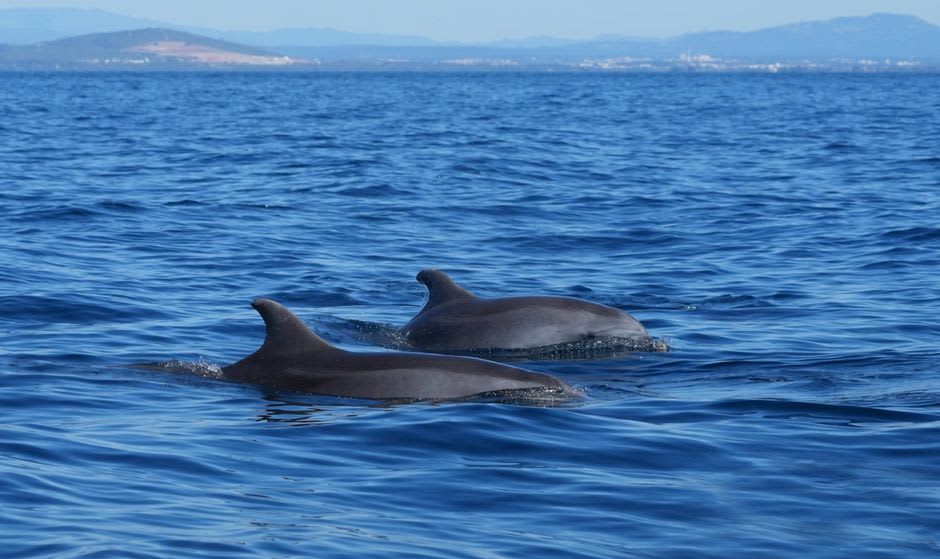
What I didn’t expect was the dolphins. The Sado estuary, right where the river meets the Atlantic below the town, is home to one of only a handful of resident bottlenose dolphin populations left in Europe, and you can see their dorsal fins cutting the water from the waterfront on a calm morning without even booking a boat trip. I did book one anyway, a small outfit running out of the marina, and spent two hours watching a pod work the channel between fishing boats, utterly indifferent to us, more interested in whatever the tide was pushing toward them. The guide, a woman who’d grown up in Setúbal and clearly never tired of this, pointed out individual dolphins by scars and fin shapes like she was introducing neighbors.
Cheese, Wine, and a Market That Never Stops
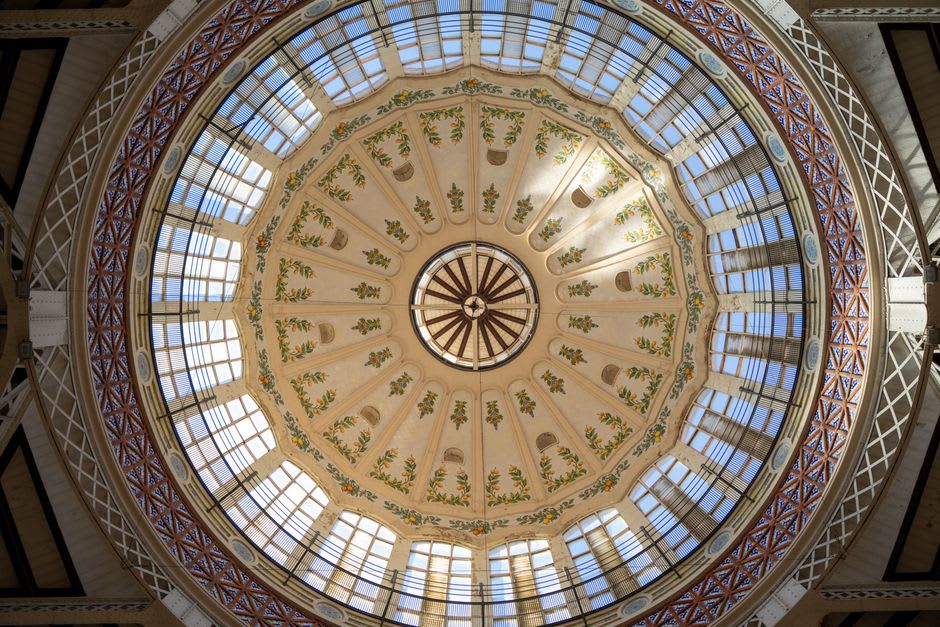
Setúbal is also the gateway to the Arrábida hills and the Azeitão wine country just behind it, and the town’s Mercado do Livramento — a tiled Art Deco market hall a short walk from the water — is where I understood that. Stalls sell wheels of queijo de Azeitão, that sheep’s cheese so soft you eat it with a spoon rather than a knife, alongside bottles of syrupy Moscatel de Setúbal that farmers here have been fortifying since the eighteenth century. I bought a piece of cheese, a bottle of Moscatel, and sat on the harbor wall as the fishing boats came back in for the afternoon, the Arrábida hills going gold-green in the fading light behind the estuary.
When to go: Late spring through early autumn gives you calm water for the dolphin tours and the freshest choco frito, but avoid August weekends when Lisboetas flood in for the beaches — go on a weekday and the town is entirely yours.