
Serra da Estrela
"Nobody pictures snow when they think of Portugal, which is exactly why the Serra da Estrela feels like a secret."
Mainland Portugal's highest mountain range, where shepherds still make a pungent, almost liquid cheese by hand and snow settles on granite peaks most visitors don't expect from this country.
I drove up toward Torre, the highest point in mainland Portugal at just under 2,000 meters, in a car that was absolutely not built for the last stretch of switchbacks, and watched the landscape change from pine forest to bare granite boulder fields to, finally, patches of actual snow clinging to the shaded sides of rocks in a month I’d have sworn was too late for it. There’s a slightly absurd little cluster of ski-shop stalls at the summit selling gloves and hot wine to visitors who, like me, hadn’t quite believed Portugal could do winter mountains and came unprepared. The wind up there cuts straight through anything you’re wearing, and the view — rolling granite ridges falling away in every direction, glacial cirques carved out from the last ice age — makes you forget you’re in the same country as the Algarve’s beaches.
Cheese Made by Hand, Still, in a Copper Pot
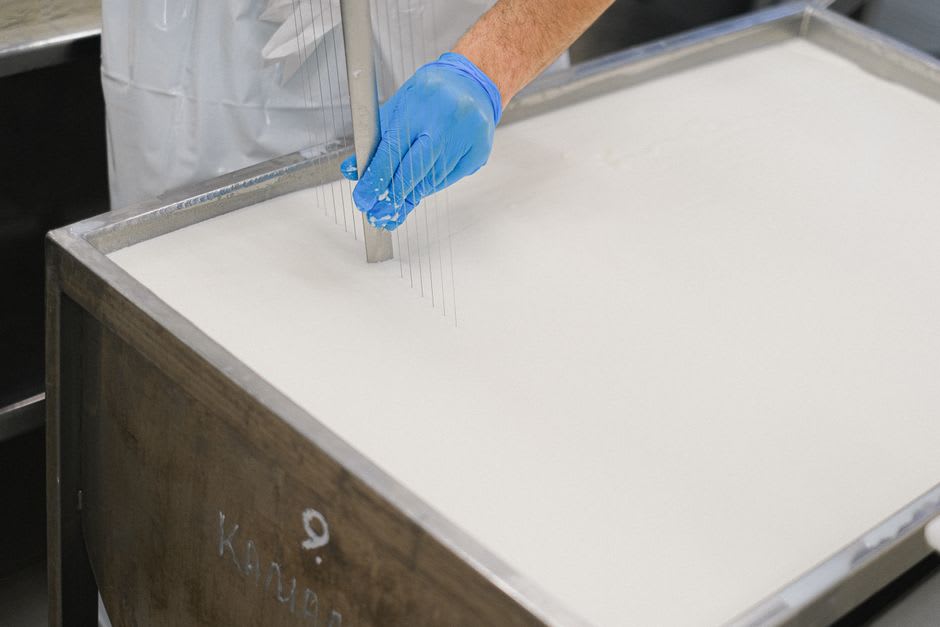
Lower down, in the shepherd villages scattered across the range, the real reason people make this trip in winter isn’t skiing — it’s queijo Serra da Estrela, a raw sheep’s milk cheese so soft in its ideal state that locals eat it by slicing off the top like a lid and scooping the interior out with a spoon. I stopped at a small farmhouse producer outside Manteigas where a woman was working curds by hand in a large basin, using cardo, dried thistle flower, instead of animal rennet to coagulate the milk — a technique that goes back centuries in this specific range and gives the cheese its distinctive sharp, slightly bitter edge. She let me taste one wheel at three weeks and another at three months, and the difference was almost like two separate cheeses entirely.
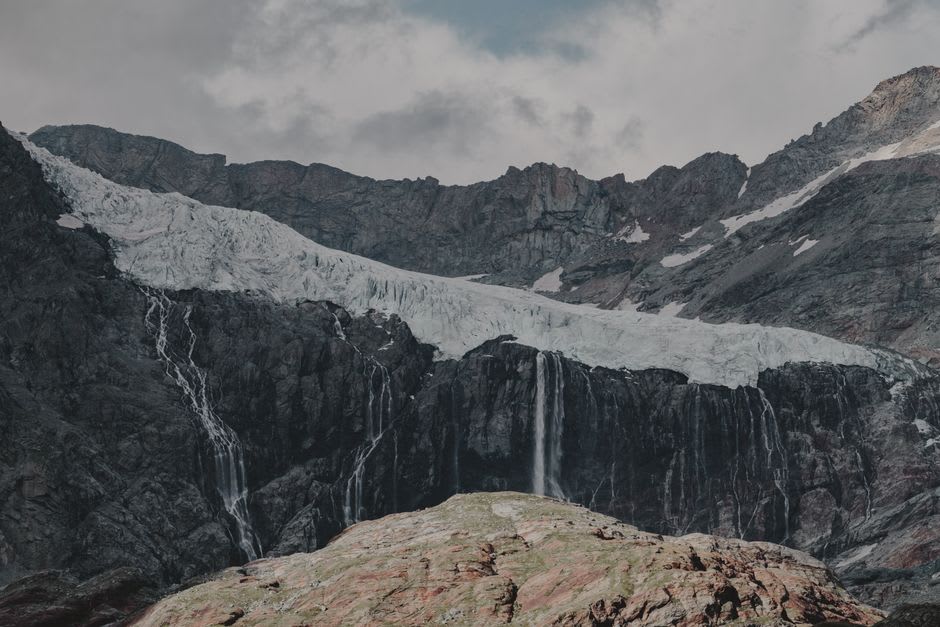
The Zêzere glacial valley, which you drive straight through on the road toward Manteigas, is startlingly U-shaped and dramatic for a country not known for its glacial geology, carved out over tens of thousands of years and now grazed by the same Serra da Estrela sheep whose milk goes into that cheese. I pulled over just to stand at the viewpoint, genuinely surprised at the scale of it, waterfalls threading down the steep granite walls after recent rain.
I ended the day in Manteigas at a small tasca eating that same cheese, soft and runny, mopped up with cornbread, with a mountain fog rolling in outside the window thick enough to erase the road.
When to go: January to March for snow and skiing at Torre, or May to June if you want the wildflowers and lambing season that produces the best milk for that year’s cheese.