
Serpa
"Serpa smells like sheep's milk cheese and sounds like absolutely nothing, and I mean both as compliments."
A walled Alentejo town famous for a runny, pungent cheese and a clock made by a local farmhand, sitting deep in plains so quiet you can hear the aqueduct water still running.
Serpa sits so deep in the Alentejo plains that the drive there feels like a countdown to silence — fewer cars, fewer signs, more cork oaks standing alone in fields the color of toast. The town itself is still wrapped in its medieval walls, and I entered through the Porta de Beja, past an aqueduct whose arches step down the hillside carrying water that, remarkably, still flows through the noria wheel it was built to feed. I hadn’t expected functioning eleventh-century infrastructure to just be sitting there doing its job, unfenced, unmonitored, genuinely still working.
The Cheese That Defines a Region
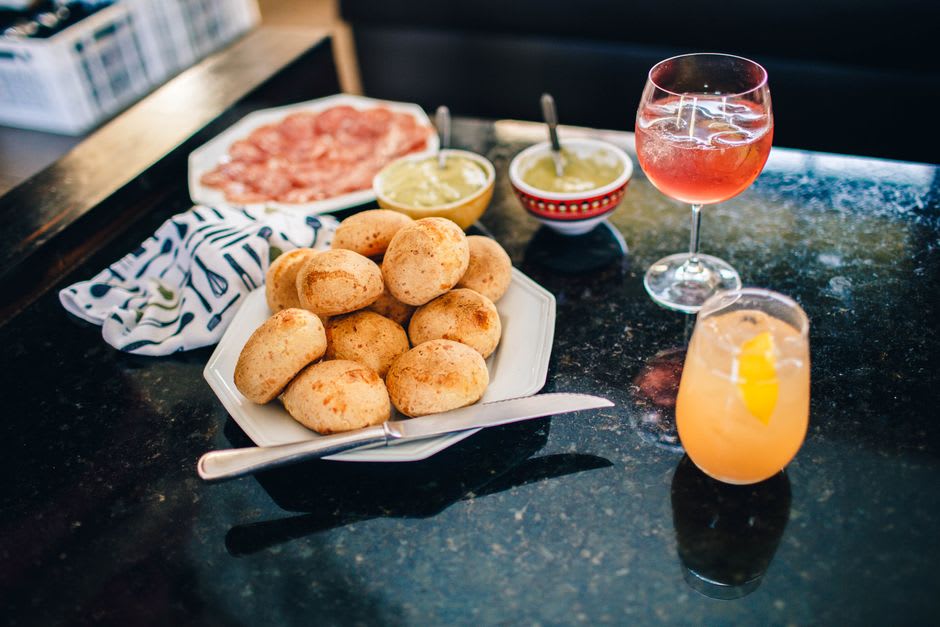
If you know one thing about Serpa before visiting, it’s probably the cheese. Queijo Serpa is a raw sheep’s-milk cheese, made with thistle rennet instead of animal rennet, aged until the interior turns soft and almost spoonable while the rind holds firm — you eat it by slicing the top off like a tiny wheel of brie and digging in with bread. I bought a small one from a market stall in the main square from a woman who sized up my ignorance instantly and talked me through the correct eating method with visible patience, and ate the whole thing over two days with just bread and olives, feeling faintly embarrassed at how little else I needed.
The town’s other minor obsession is its clock tower, the Relógio, built in the early twentieth century by a local mechanic named Gabriel Sardinha with essentially no formal training — a farm boy who taught himself clockmaking and ended up building several public clocks across the region. There’s something very Alentejo about that fact being a point of civic pride: not a king, not a saint, just a stubborn guy who figured out gears.
An Empty Castle at Sunset
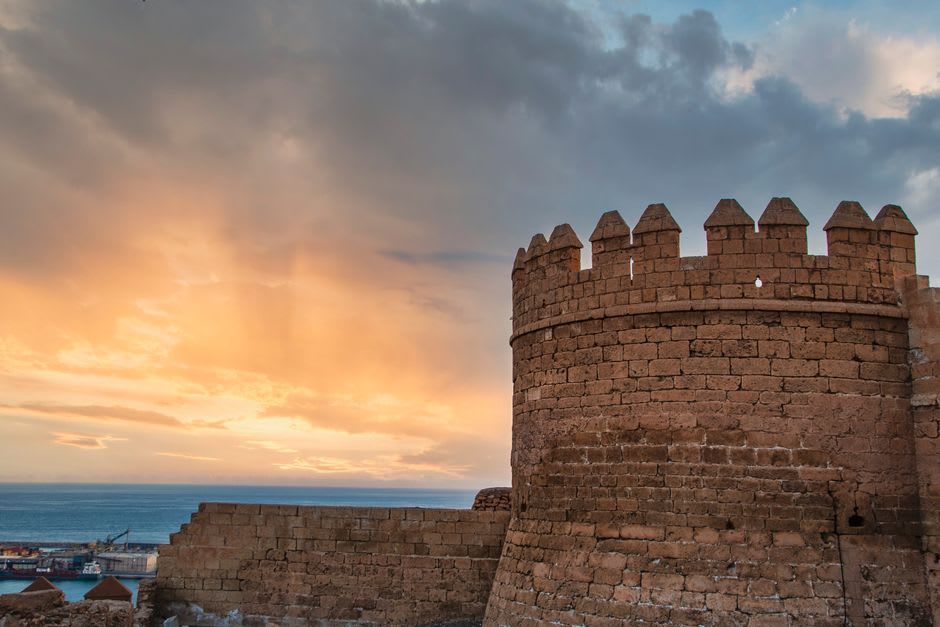
I climbed up to the castle ramparts as the light started going gold, and had the whole walk to myself except for a cat asleep on the warm stone. From up there Serpa’s rooftops and the aqueduct below make sense as a single system, water and walls and terracotta all working together the way they have for a thousand years, the plains beyond running flat and gold to a horizon with nothing on it. A stork’s nest sat on the highest tower, occupied, indifferent to me.
When to go: Visit in late spring or early autumn, and try to time it for a weekend, when the cheese producers and market stalls are more likely to be out and the town isn’t half-shuttered for siesta.