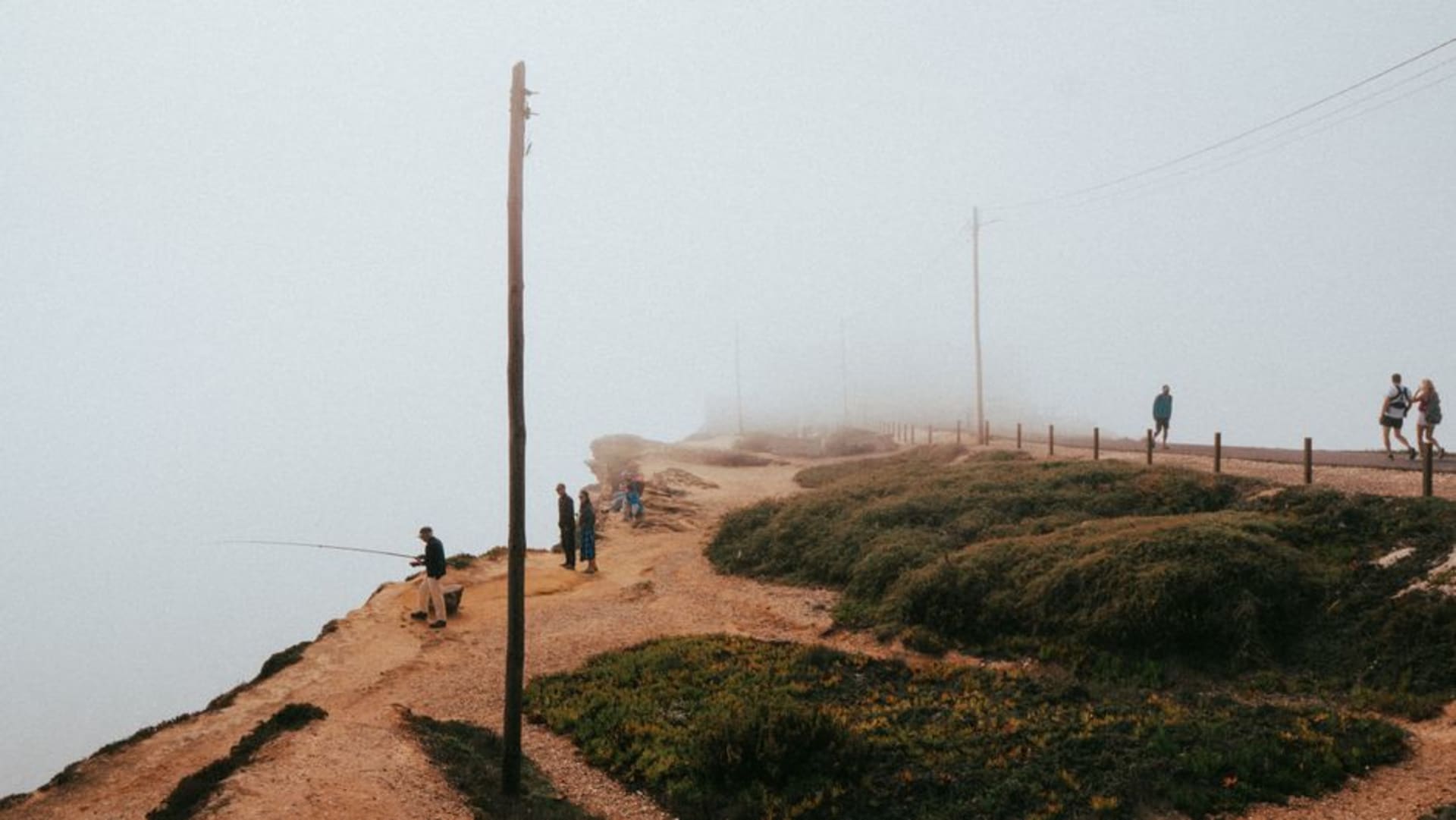
Rota Vicentina
"I walked for six hours and saw more storks than people, which is exactly the point of Rota Vicentina."
A network of coastal and inland trails through the wildest stretch of the Portuguese Atlantic, where storks nest on sea cliffs and villages still smell of woodsmoke and salt.
Nobody warned me about the storks. I was three days into the Fishermen’s Trail, somewhere between Almograve and Zambujeira do Mar, when I looked up and saw a stork nest wedged into a sea cliff, twenty meters above breaking Atlantic waves, with the bird standing in it like that was a perfectly normal place to raise a family. It is, apparently — this stretch of Portugal’s southwest coast, where the Alentejo folds into the Algarve, hosts one of the only populations of white storks in the world that nest on ocean cliffs instead of church towers or chimneys. That detail told me more about Rota Vicentina than any guidebook could: this is a coastline that still does things its own way, indifferent to how the rest of Europe behaves.
Two Trails, One Wildness
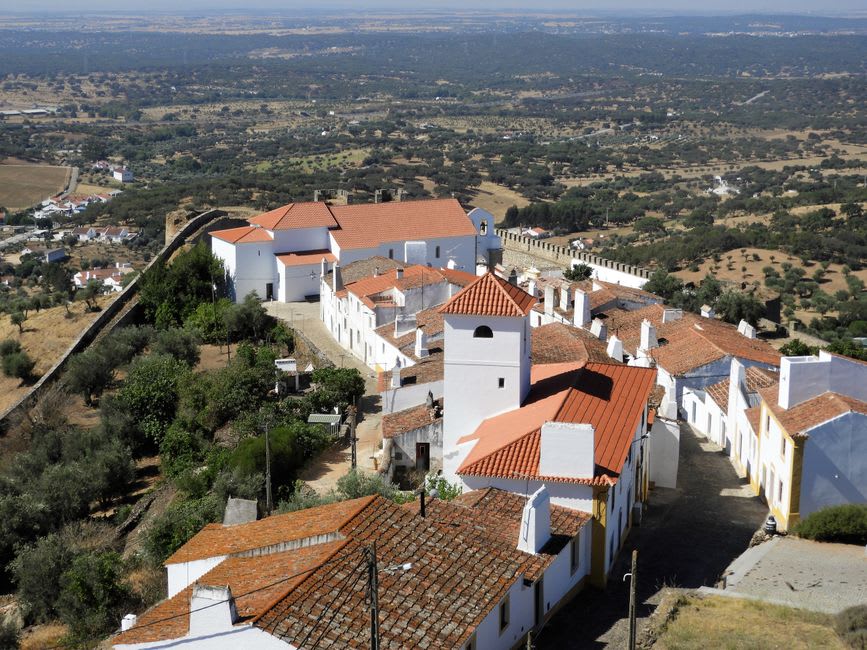
Rota Vicentina isn’t a single path but a network — the Fishermen’s Trail hugging the raw, dune-and-cliff coastline, and the Historical Way threading inland through cork oak forests and whitewashed villages where old men still cure their own presunto. I split my days between both, and the contrast is the whole appeal. One afternoon I was scrambling over sandstone cliffs with spray in my face; the next I was walking dirt tracks past storks again — this time on utility poles — through hamlets so quiet you could hear a rooster from a kilometer off. The trail markers are simple blue-and-green stripes painted on rocks and fence posts, low-tech and easy to miss if you’re not paying attention, which forces a kind of attentiveness most travel doesn’t.
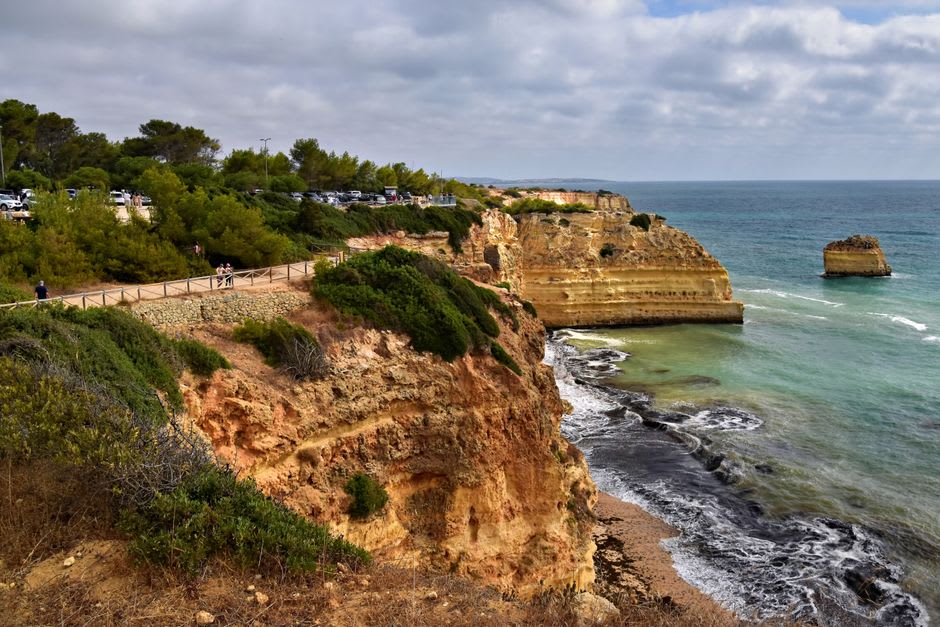
I stopped for lunch one day in a tiny place called Almograve, a village of maybe two hundred people, and ate grilled bream at a café where the owner’s son had caught the fish that morning off the very cliffs I’d just walked. Nothing about the meal was designed for tourists — the menu was handwritten, the wine was local and unlabeled, and the owner seemed mildly surprised I’d walked in from the trail rather than driven. That’s the texture of this region: fishing villages that have barely adjusted to being a destination, which is precisely why walkers come.
Walking It Right
The full network runs several hundred kilometers, but almost nobody does all of it in one go — most walkers pick a stretch of four to eight days, staying in small guesthouses that have sprung up specifically to serve hikers, bags transferred ahead by local shuttle services so you carry only water and a camera. I did five days and could have used ten. The physical difficulty is moderate, but the terrain shifts constantly — soft sand, exposed cliff edge, shaded forest track — which keeps your legs and your attention working in a way flat trails never do.
When to go: Spring (April–May) brings wildflowers along the cliffs and mild temperatures for walking; avoid July and August, when the coastal sun is unrelenting and there’s little shade on the exposed cliff sections.