
Piódão
"Piódão hid so well in its mountains that the rest of Portugal forgot about it for centuries — and somehow that's exactly what saved it."
A schist village stacked into a fold of the Serra do Açor, every slate house trimmed in the same cobalt blue, so isolated it wasn't electrified until the 1970s.
The road down into Piódão is the kind that makes you grip the wheel a little tighter — switchback after switchback through the Serra do Açor, pine forest giving way suddenly to a view of the village stacked into the hillside like it had been poured there and left to set. Every single house is built from the same dark schist stone, the local slate that flakes off the mountains in thin gray sheets, and every single door and window frame is painted the same shade of blue — not by law exactly, more by a stubborn collective agreement nobody seems to remember making. From above at dusk, the whole village goes the color of wet stone with these blue accents glowing faintly, and I just stood at the mirador for a while before driving down, not wanting to break whatever this was.
A Village That Arrived Late to the Twentieth Century
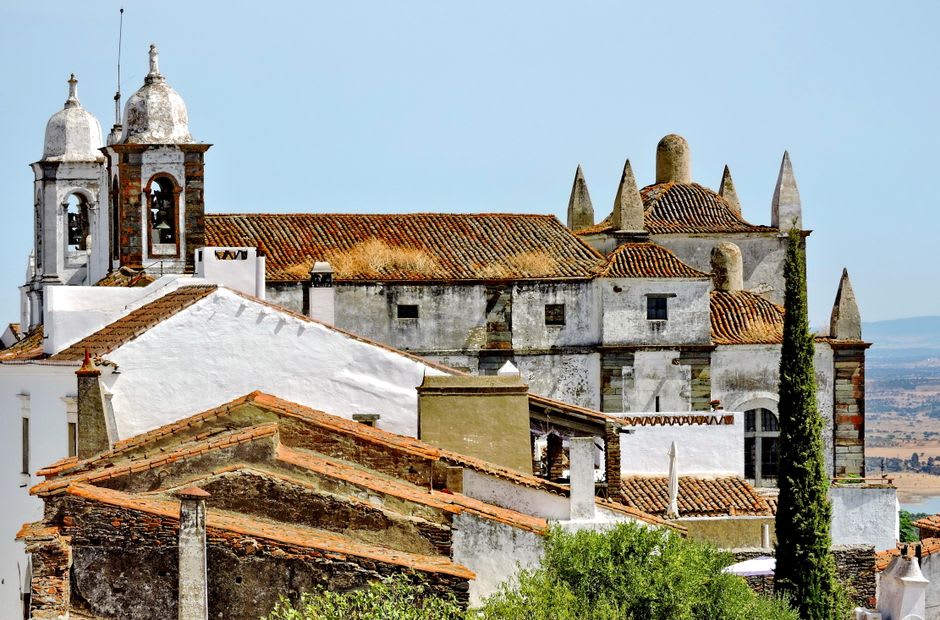
Piódão was so cut off in these mountains that it didn’t get a proper road until the 1950s and electricity not until 1978 — within living memory for plenty of the older residents I passed sitting outside their doors. That isolation meant it dodged the wave of concrete construction that flattened the character out of so many rural Portuguese villages in the postwar decades; the schist-and-blue aesthetic here isn’t a restoration project, it’s just what never got the chance to be replaced. I ducked into the tiny church in the main square, startlingly white against all that gray stone, its baroque interior gilded and completely disproportionate to the size of the building — apparently paid for by locals who’d emigrated to Brazil and sent money home.
An older woman selling honey and dried chestnuts from a table outside her house told me, in the slow, deliberate Portuguese of someone used to talking with outsiders, that half the young people had left for Coimbra or Lisbon or further, and the village mostly survives now on weekend visitors and a handful of families who never wanted to be anywhere else.
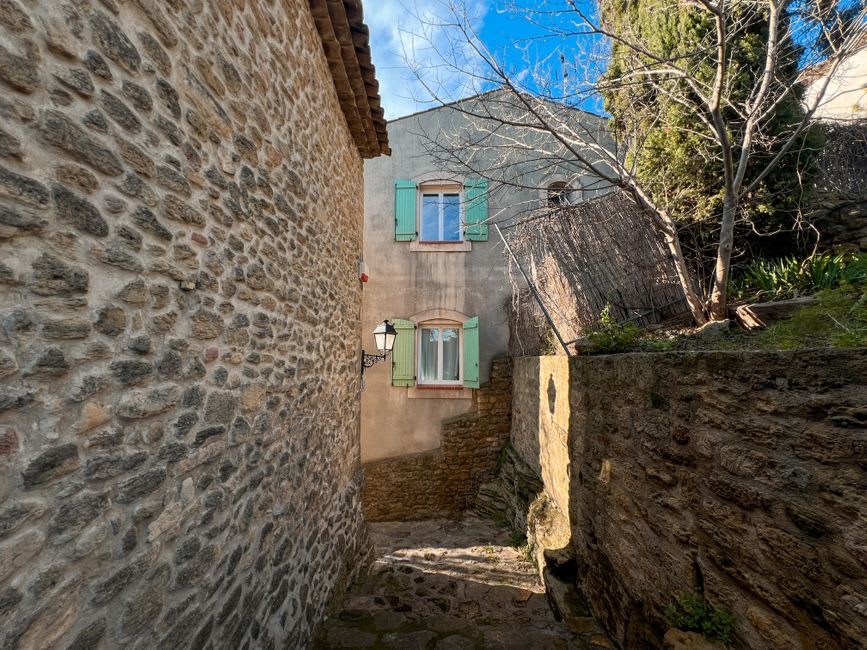
I bought a jar of her honey, ate lunch at a small tasca serving mountain goat stew, and walked the steep alleys until my legs complained, which in a village this vertical doesn’t take very long.
When to go: Late spring, when the surrounding Serra do Açor is green and the hiking trails around the village are clear, before summer heat makes the exposed switchback roads uncomfortable.