
Pinhão
"Pinhão is the size of a postage stamp and it still manages to hold the entire Douro in one glance."
A one-street village where the Douro river bends around terraced vineyards so steep they look hand-drawn, and the train station's blue tiles tell the whole story before you've unpacked.
I got off the train at Pinhão before I’d even registered we’d arrived — there’s no big station building, no crowd, just a low platform and then, right there on the wall, twenty-something azulejo panels depicting grape harvests, oxcarts, and barefoot workers stomping fruit in stone tanks. I stood there a full five minutes with my bag still on my shoulder, ignoring the taxi driver who kept asking if I needed a ride, because I hadn’t expected a train stop this small to be this beautiful. Outside, the village itself is barely more than a single road hugging the riverbank, a handful of cafés, and a bridge — but you don’t come to Pinhão for the village. You come for the view from anywhere slightly above it, where the Douro curls between vineyard terraces stacked so steeply up the hillsides that they look less like farmland and more like a green amphitheater built for some god who liked wine.
Quintas, Rabelos, and the Business of Making Port
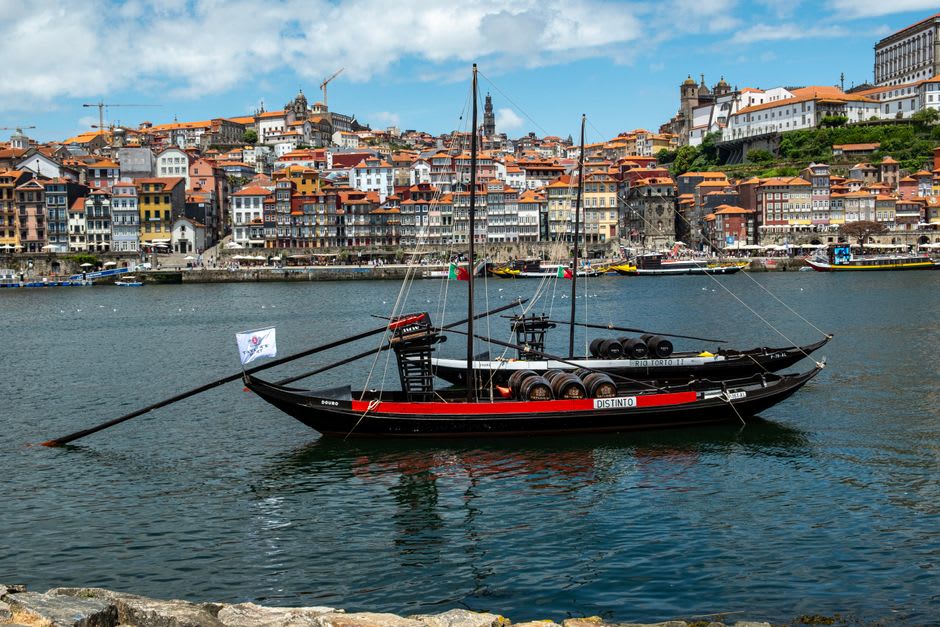
The terraces around Pinhão belong mostly to the great port houses — Quinta do Bomfim, Quinta das Carvalhas, Quinta do Seixo among them — and several open their doors for tastings with views that make you forget to spit properly. I did a tour at one where the guide, a woman who’d grown up in the valley, explained that vines here are graded on the Douro’s own classification system, from A to F, based on soil, slope, and sun exposure, all developed to justify port prices to the British merchants who first bankrolled this whole industry in the 18th century. Down on the river, a couple of old rabelo boats — flat-bottomed, single-sailed vessels once used to float port barrels down to Porto’s cellars before the dams went in — sit moored more for photographs than for cargo now, but they still look like they belong there more than any of the tourist cruise boats.
I rented a bike one afternoon and rode a few kilometers along the river road toward Quinta do Seixo, stopping constantly because every bend produced a view that seemed to outdo the last one — a switchback of vines catching the low sun, a lone almond tree at the top of a terrace, a heron standing in the shallows completely unbothered by my wheezing. I ended up eating dinner at a tiny tasca back in the village, bacalhau with roasted potatoes and a glass of the local red that the owner poured without asking, insisting the DOC Douro reds were being unfairly overshadowed by their port cousins — and after that glass, I agreed with him.
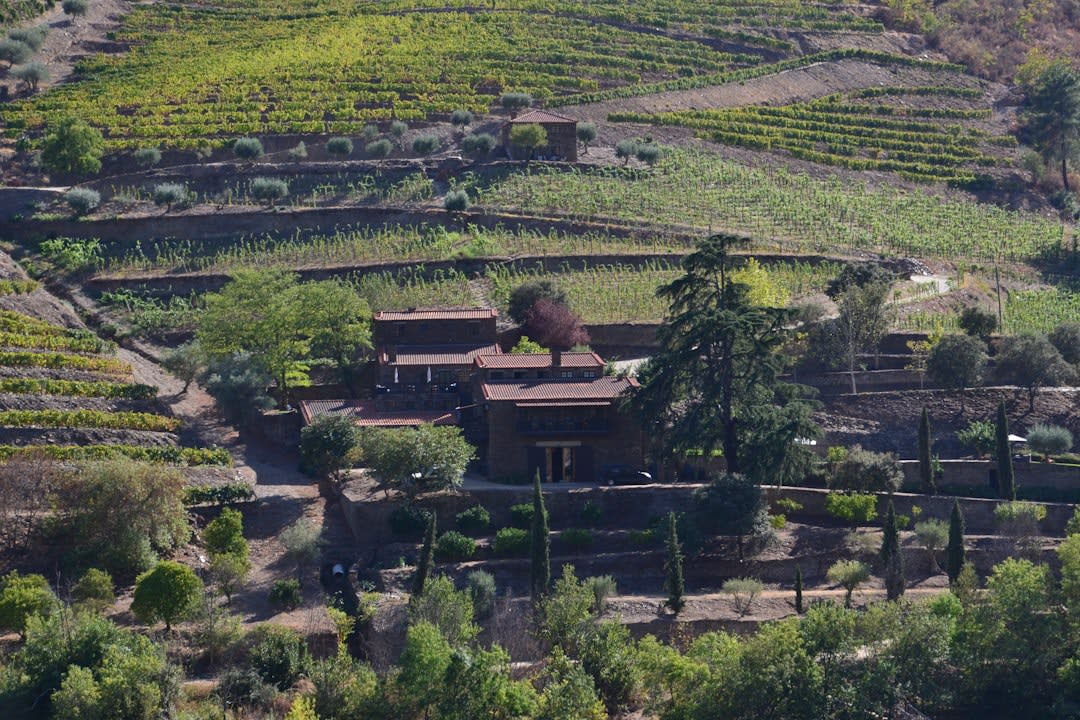
When to go: September and early October, during the grape harvest (vindima), when some quintas let visitors join the grape-treading and the whole valley smells like fermenting fruit.