
Monção
"Monção taught me that vinho verde isn't a beginner's wine — it's just a wine nobody outside Portugal has been drinking properly."
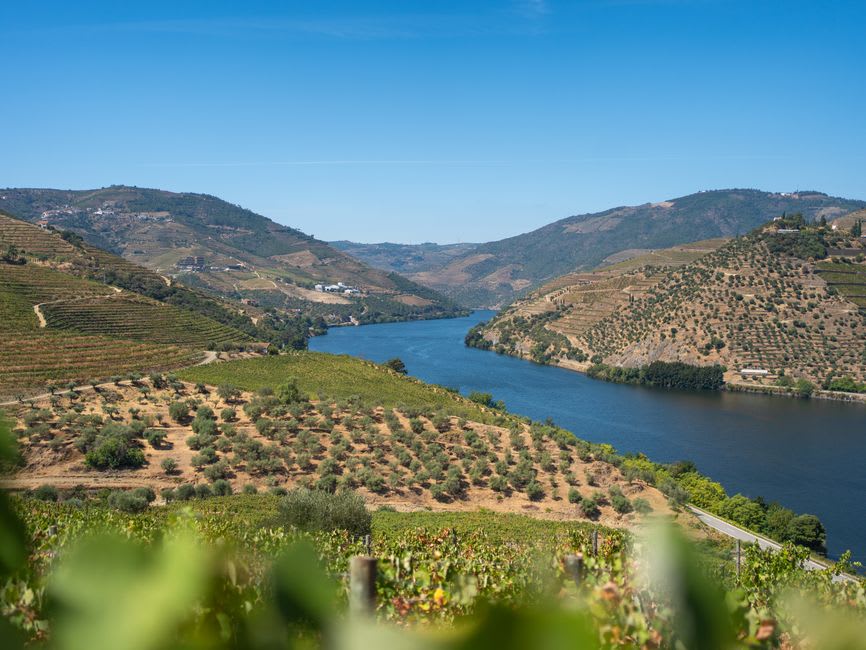
The unofficial capital of Alvarinho wine country, where the vines grow high on pergolas above the vegetable patches and every terrace overlooks the Spain-facing Minho river.
I’d had vinho verde plenty of times before Monção, always the cheap, slightly fizzy stuff served ice-cold at seaside restaurants, so I wasn’t prepared for what a producer poured me at a quinta just outside town: a still, structured Alvarinho with real weight and a long citrusy finish, nothing like the throwaway summer wine I’d assumed the whole category was. Monção sits on a bend of the Minho river, right across from Galicia, and the Alvarinho grape does something here it doesn’t quite do anywhere else — locals will tell you, not without pride, that Spain’s celebrated Albariño over the border is the same grape, just a younger cousin who left home and got famous. I spent an afternoon driving the back roads between vineyards where vines are trained up onto pergolas — cruzeta trellises — high enough to walk underneath, leaving the ground below free for cabbages and potatoes, a practical bit of double-cropping that also happens to look like walking through a green tunnel.
The Feast That Divides the Town in Two
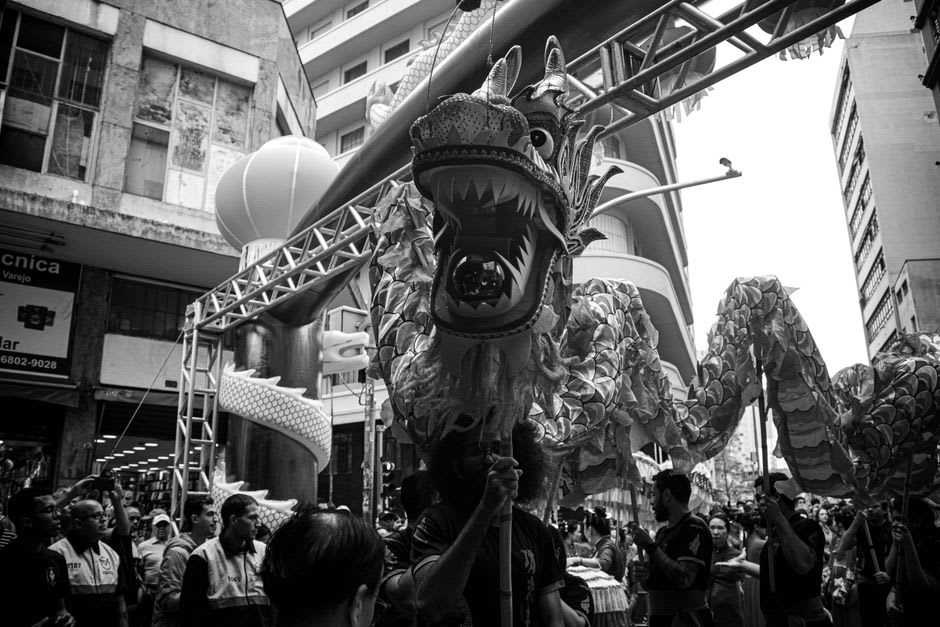
Monção’s biggest yearly event is the Festa da Coca, held around Corpus Christi in early June, where the town splits into two rival brotherhoods — Micas and Loios — each parading their own dragon-like Coca figure through the streets in a mock battle. I happened to be there the week after one year and the whole town was still talking about it, showing me photos on their phones of the two dragons squaring off in the main square while brass bands played and half the population wore matching sashes. An older woman running a small mercearia told me she’d been a Loia her whole life, that her mother was one before her, and that the rivalry was fierce but entirely good-natured — nobody actually remembers what started it, only that switching sides is basically unthinkable.
That evening I ate at a small tasca by the river, lamprey stew in winter apparently being the local specialty, though in summer I settled for grilled trout and a bottle of the local Alvarinho recommended by the waiter with the seriousness of someone discussing a family heirloom.
When to go: Early June for the Festa da Coca, or September for the wine harvest — either way, book the Alvarinho tastings ahead, as the smaller quintas only open by appointment.