
Miranda do Douro
"Miranda do Douro feels less like the edge of Portugal and more like a country of its own that Portugal happens to contain."
A windswept plateau town above a canyon-cut river, holding onto its own language and a stick-dance nobody else in Portugal performs, as if it forgot to join the rest of the country.
Getting to Miranda do Douro takes effort — it sits out on the Trás-os-Montes plateau near the Spanish border, hours from anywhere by winding roads through cork oak and granite outcrops — and the effort is entirely the point. I arrived to find a small walled town perched right above the Douro, which by this point has cut itself into a genuine canyon, dammed into a long reservoir far below the cliffs. Before I’d even found my guesthouse, an old man greeted me in the street with words I didn’t recognize as Portuguese at all, and I later learned it was Mirandese, a Romance language distinct enough from standard Portuguese to have its own grammar books, spoken by maybe fifteen thousand people in this corner of the country and officially recognized since 1999 — the only region in Portugal with a second official language.
Sticks, Skirts, and a Dance for Men Only
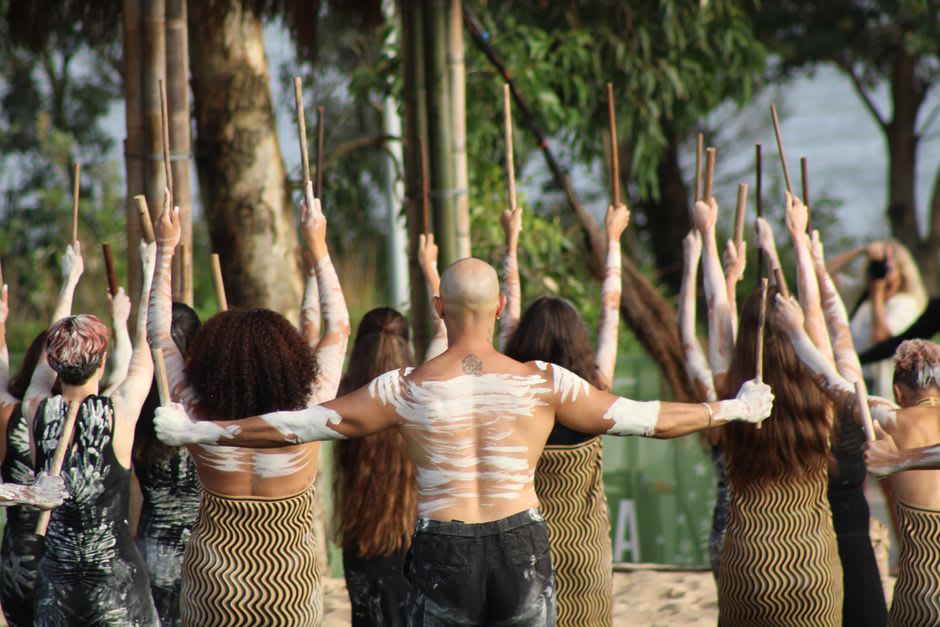
The thing Miranda do Douro is famous for beyond the language is the Pauliteiros, a men’s stick-dance performed in black skirts, embroidered shirts, and hats trailing ribbons, clacking pairs of wooden sticks together in tight, martial choreography that historians trace back to old sword dances or possibly Celtic ritual, nobody’s entirely sure. I got lucky and caught a performance during a small local festival — the rhythm was relentless, almost aggressive, completely unlike the softer folk dances I’d seen elsewhere in Portugal, and the whole plaza went quiet and reverent when it started, then erupted the second it ended. An older woman next to me, watching her grandson dance, explained that boys here still learn the steps from childhood, that it’s less performance than inheritance.
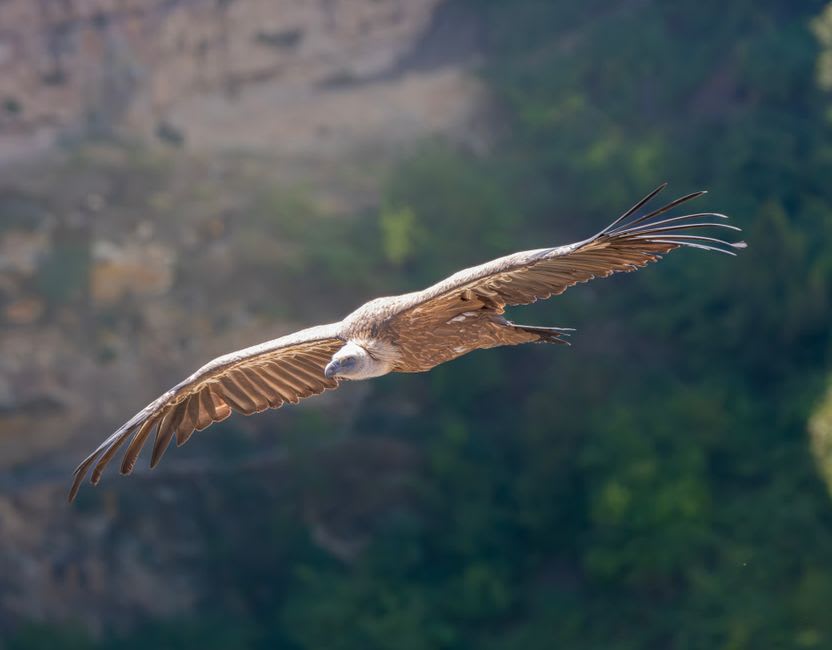
Afterward I walked out to the cliffs above the Douro International Natural Park, where griffon vultures and Egyptian vultures wheel over the canyon in numbers I hadn’t seen anywhere else in Europe, and stood there long enough to feel genuinely cold in the plateau wind despite it being summer everywhere else in the country.
When to go: August, when the Festa de Nossa Senhora do Nazaré brings out the Pauliteiros in full force, though be ready for the plateau’s cold nights even in summer.