
Melides
"Melides is the kind of secret that everyone insists on telling you like it's still one."
A one-street Alentejo coast village between a lagoon and the dunes, quietly colonized by designers and off-duty celebrities without ever quite admitting it's changed.
Melides doesn’t look like much from its own main street — a bakery, a café, a hardware store, a church — and that’s precisely the point people keep making about it, usually in a hushed tone that undercuts their own claim to discretion. I’d heard the rumors before I arrived: that this sleepy Alentejo coast village had quietly become a favorite of architects, fashion people, and at least one former French president, who reportedly bought a house nearby. Driving in, none of that is visible. What is visible is a landscape doing something unusual for the Alentejo coast — pine-covered dunes, a freshwater lagoon separated from the Atlantic by a thin bar of sand, storks nesting on chimney pots in the village itself.
A Lagoon, Not a Postcard
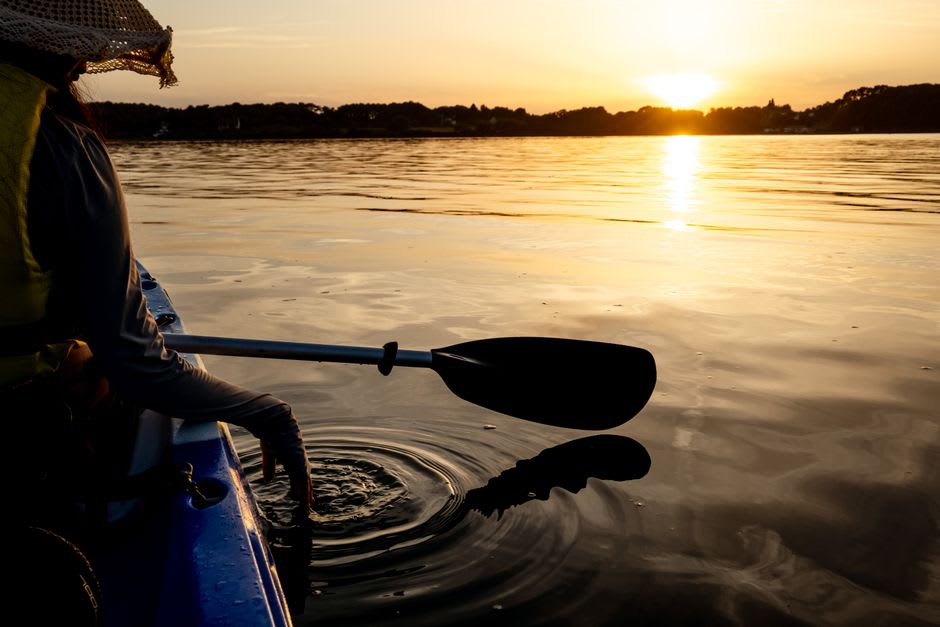
The Lagoa de Melides is the reason to actually linger. It’s a seasonal lagoon, opening to the sea only when the sandbar breaks or is cut, and in summer it becomes a still, brackish mirror ringed by reeds and umbrella pines, popular with kayakers and absolutely nobody else. I rented a paddleboard from a stand run by a guy in his twenties who’d moved down from Lisbon “for the quiet,” and spent an hour drifting past herons that didn’t bother lifting off as I passed, the dunes on one side and low pine forest on the other, the Atlantic audible but not visible over the sandbar.
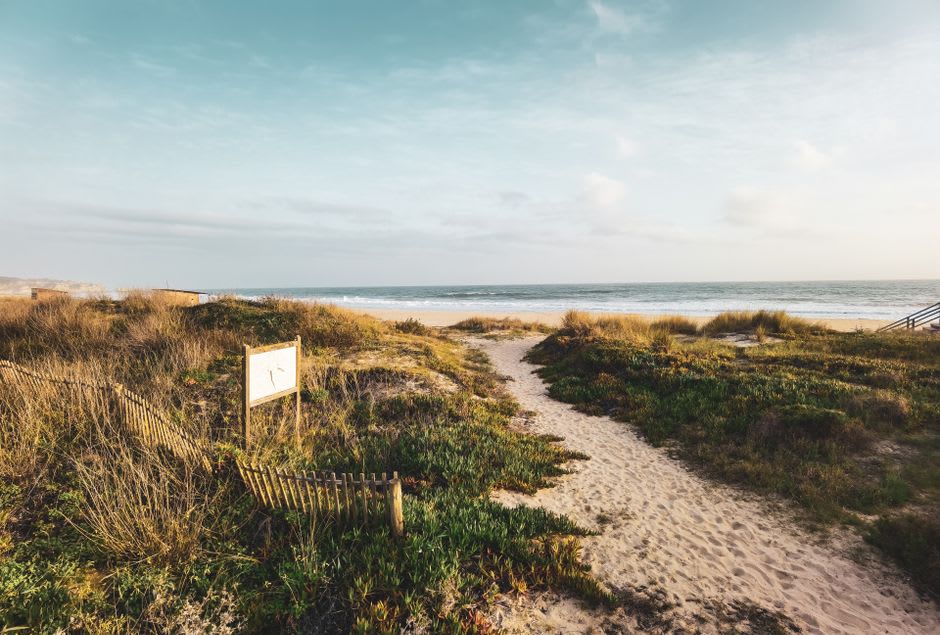
The beach itself, Praia de Melides, is a proper wild Atlantic beach — no boardwalk, no rows of umbrellas, just dune grass and a scattering of surfers reading the swell. I walked it at low tide for what felt like a mile without passing another person, which is either the village’s best-kept secret or its most over-discussed one, depending which article you read beforehand.
Bread, Wine, and Not Much Else
Back in the village I ate dinner at a small tasca that had exactly four tables and a chalkboard menu, grilled sardines and a carafe of local vinho regional Alentejano, while the owner argued cheerfully with a regular about a football match neither seemed to actually remember the score of. Nothing about the meal or the room suggested the village’s supposed reputation for hidden glamour — which, I suspect, is exactly how the people who’ve found it want to keep it.
When to go: Come in June, before the peak-summer crowd that’s slowly discovering the place arrives, when the lagoon is full and the beach is still mostly yours.