
Leiria
"Everyone drives through Leiria on their way to somewhere more famous. That's exactly why I liked it."
A modest hilltop-castle city on the river Lis, overshadowed by its famous monastic neighbors, that rewards anyone willing to actually stop instead of just passing through.
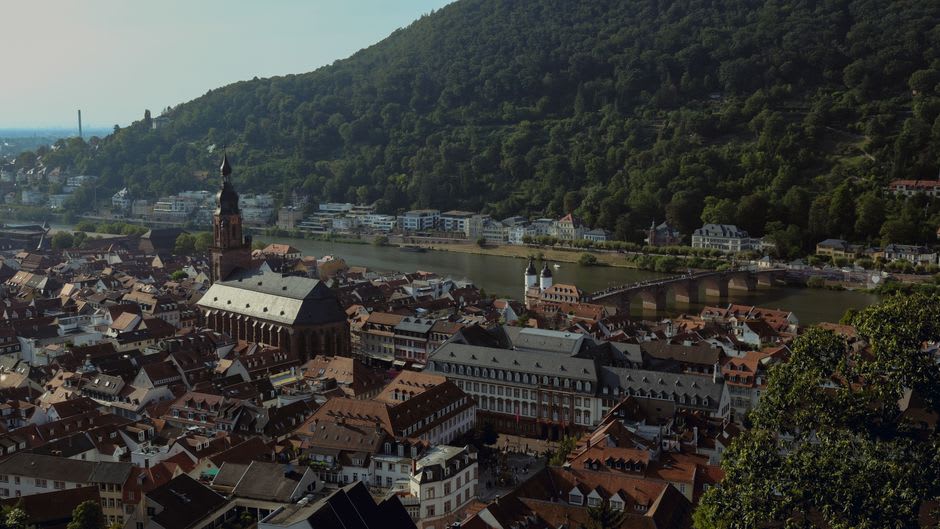
I’ll admit I only stopped in Leiria because it sat conveniently between Batalha and the coast, and I expected little more than a place to stretch my legs. Instead I found a genuinely handsome small city built along a bend of the Rio Lis, its old town climbing a hill toward a castle that has watched over the river crossing since the Moors held it in the twelfth century, before King Afonso Henriques took it in 1135 as one of his earliest conquests in building the Portuguese kingdom. The streets below are a pleasant tangle of tiled facades and small squares, mostly free of the tour groups clogging Batalha fifteen minutes down the road.
A Castle That Remembers Being a Palace
The climb up to Leiria Castle takes you through pine-shaded switchbacks before the walls open onto a surprisingly intimate space — not a sprawling fortress but a compact royal residence, added onto over centuries by kings who liked the views and the strategic position over the Lis valley. King Dinis, Portugal’s great fourteenth-century builder-king, expanded it into a proper Gothic palace, and its restored loggia frames a view over the red rooftops and the river that felt, at golden hour, like something out of a painting nobody’s bothered to hang in a famous museum. I sat on a low wall there for a while, watching swifts cut across the valley, and had the whole balcony to myself.
Down in the castle’s chapel, a slim Gothic space with a rose window, an elderly caretaker told me — unprompted, the way Portuguese caretakers of small monuments often do — that Leiria briefly served as Portugal’s capital in the fourteenth century whenever the king wanted distance from Lisbon’s politics. I have no idea if that’s precisely accurate, but it fit the feeling of the place: a city used to being important without needing anyone else to notice.
Pine Forest and a River Beach
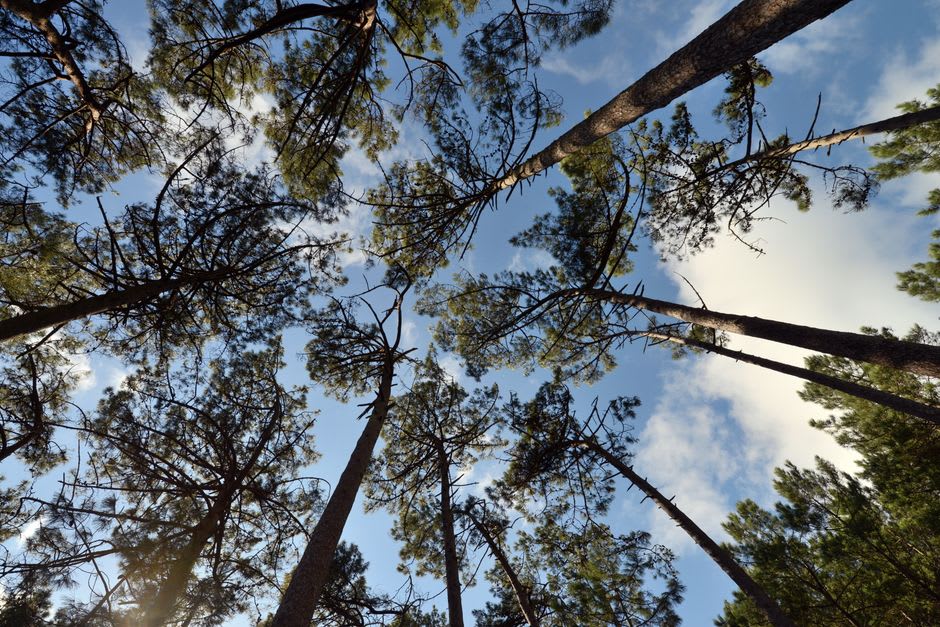
The Pinhal de Leiria, a vast man-made pine forest stretching toward the coast, was planted (tradition says) as early as the thirteenth century to stabilize coastal dunes and supply timber for the Age of Discoveries’ shipyards — meaning the caravels that reached India and Brazil were quite possibly built from wood grown right outside this city. I drove out through it toward the beach at São Pedro de Moel, stopping the car once just to walk into the trees and breathe in that resin smell, sharper and drier than any pine forest I’d known in France.
When to go: Late spring or early autumn, when the castle’s viewpoints are clear and the nearby pine-forest beaches are warm enough for a swim without the August crowds.