
Lamego
"Lamego makes you climb six hundred steps for a view, and somehow that feels like exactly the right price."
A Douro hill town where a monumental Baroque staircase of six hundred steps climbs to a hilltop sanctuary, and the local sparkling wine has quietly outclassed its famous neighbor for over a century.
I saw the staircase of Nossa Senhora dos Remédios before I saw anything else in Lamego, rising white and grey in dramatic zigzags up the forested hill on the edge of town, visible from almost every street in the historic center like the whole place had been arranged around it. It’s one of the great Baroque set-pieces of Portugal — six hundred and eighty-six steps, by most counts, broken into terraces decorated with azulejo tile panels, obelisks, and fountains representing biblical scenes and the virtues, built up gradually over more than a century until it reached the twin-towered sanctuary at the very top in the 1900s. I climbed it in the late morning heat, stopping constantly to look back at the town shrinking below and to admire another blue-and-white tile panel telling some scriptural story I could only half-follow.
Sparkling Wine in the Shadow of Port
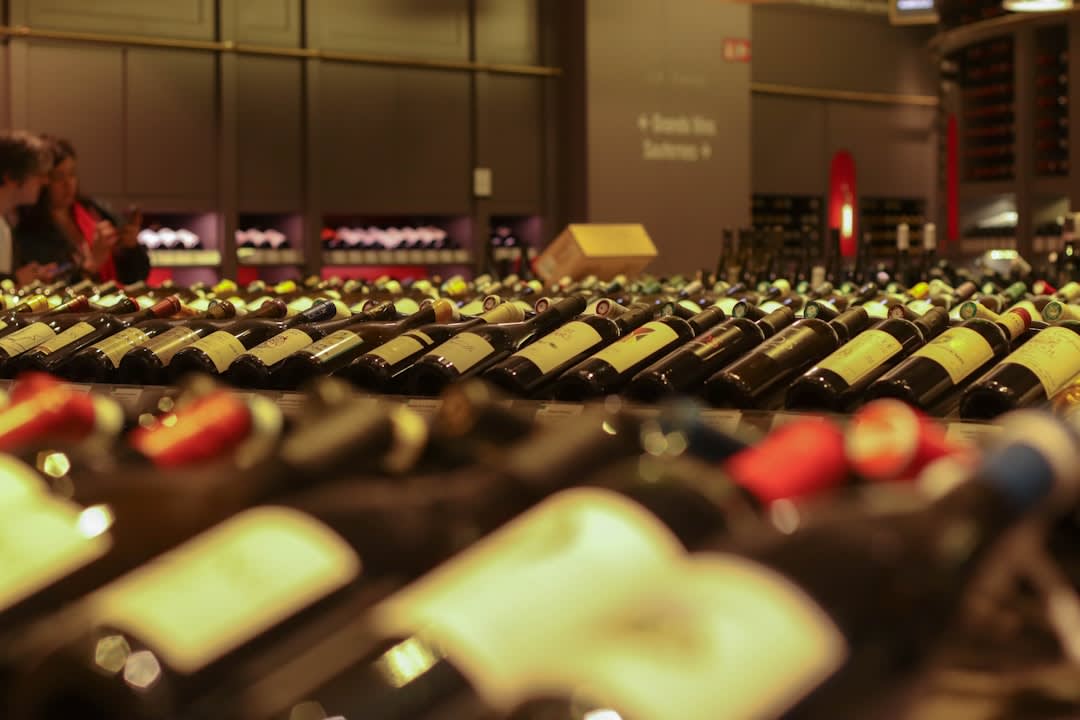
Lamego sits on the south side of the Douro, just far enough from the river itself to escape the port wine industry’s total dominance, and the town has used that slight remove to build something of its own: a genuinely excellent tradition of sparkling wine, made using the same méthode traditionnelle as Champagne, in cellars carved into the hillsides since the late nineteenth century. I toured one of the older producers, walking through cool tunnels stacked floor to ceiling with bottles resting at an angle, riddling racks turned by hand exactly the way they were a hundred years ago, and left with a bottle that a wine-obsessed friend back in Mexico later told me was shockingly good for the price.
The town below the staircase has its own quieter charm — a Romanesque cathedral rebuilt over the centuries, a small but excellent regional museum housed in the old bishop’s palace with a set of sixteenth-century Flemish tapestries nobody seems to talk about enough, and market stalls in the main square selling presunto and the region’s dense, dark rye bread. I sat in that square eating a slice of bread with cured ham as church bells rang out from somewhere behind the staircase, watching the evening light catch the white balustrades all the way up the hill.
Reaching the sanctuary at the very top felt less like a religious pilgrimage and more like an earned reward — I sat on the church steps for a long while, doing nothing, letting my legs recover before starting the walk back down.
When to go: September, for the Romaria de Nossa Senhora dos Remédios, when the staircase and town host one of the Douro’s biggest religious festivals with fireworks lighting up the sanctuary at night.