
Freixo de Espada à Cinta
"Freixo de Espada à Cinta has the best name in Portugal and the fewest people to say it out loud."
A remote almond-blossom town above a wild stretch of the Douro canyon, its odd name and its pink February orchards both hinting at a history most of Portugal has forgotten.
Nobody I mentioned Freixo de Espada à Cinta to before I went had ever been there, which is exactly why I went — this far corner of Trás-os-Montes, tucked against the Spanish border above a savage stretch of the Douro canyon, barely registers on most Portugal itineraries. The name itself means “ash tree of the sword at the waist,” and depending who you ask it either commemorates a medieval nobleman who hung his sword from an ash tree here or references some older, murkier legend nobody quite agrees on anymore; the town leans into the mystery with a sword-and-tree motif on its coat of arms. I arrived in a landscape of exposed granite and schist, the Douro cutting an almost canyon-like gorge below the town within the Douro Internacional protected area, cork oaks scattered across dry hillsides that in February, I’m told, turn into a haze of pink and white when the almond trees bloom all at once.
The Town That Almonds Built
Freixo’s whole economy and calendar bends around the almond harvest, and locals here take a quiet pride in growing what they insist is some of the best almond in the country, used in local sweets like amêndoas cobertas — sugar-coated almonds — sold at a couple of small shops in town that have been making them the same way for generations. I sat with the owner of one such shop, a woman probably in her seventies, while she coated a batch by hand in a copper pan, turning the almonds constantly so the sugar syrup built up in even, crackling layers, and she told me February blossom season now draws a small trickle of photographers from Porto and Lisbon, though most of the town still seems faintly bemused by the attention.

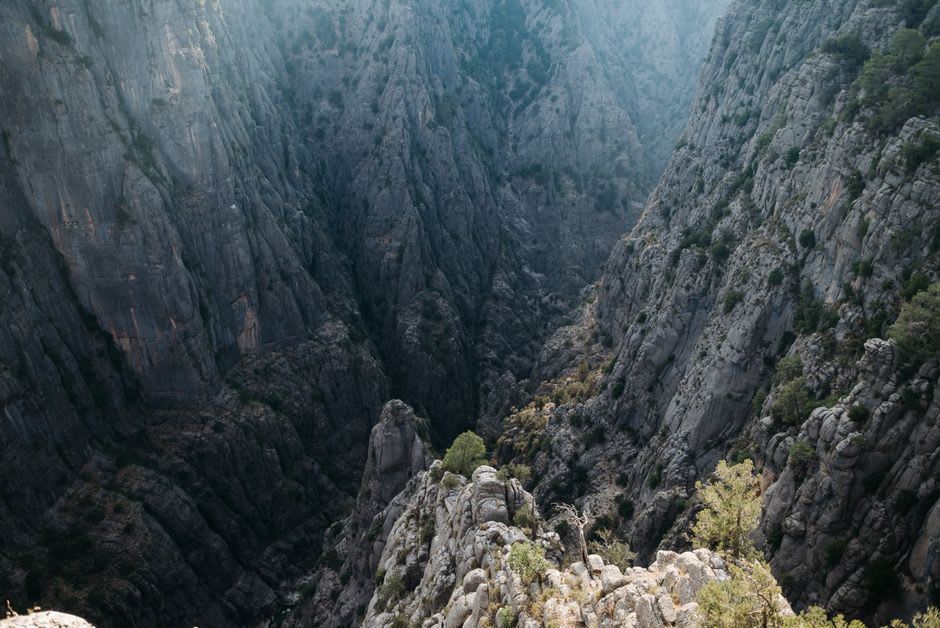
I drove out past the edge of town to a lookout over the Douro gorge, where the river runs narrow and fast between sheer rock walls far below, griffon vultures riding the thermals above it, and had the entire viewpoint to myself for the better part of an hour — a kind of solitude I hadn’t managed to find anywhere else on this whole trip.
When to go: Late February, for the almond blossom, when the surrounding hills briefly turn pink and white before the summer heat takes over.