
Fátima
"Fátima isn't built for sightseeing. It's built for kneeling, and even a skeptic feels the difference."
A vast, spare pilgrimage complex built around a field where three shepherd children said they saw the Virgin Mary in 1917, and where the sight of pilgrims crossing the plaza on their knees still stops you cold.
Nothing about the drive into Fátima prepares you for the scale of the place once you arrive — an esplanade said to rival St. Peter’s Square in size, flanked by a neoclassical basilica on one end and a vast modern circular church on the other, with almost nothing decorative in between. I’d expected something more ornate, more baroque, given how Catholic devotion usually gets expressed in this part of the world. Instead it’s deliberately plain, almost brutal in its openness, built to hold enormous crowds rather than to impress the eye, and that austerity ended up affecting me more than any gilded altar could have.
What Happened Here in 1917
Three shepherd children — Lúcia, Francisco, and Jacinta — reported apparitions of the Virgin Mary in this then-empty field six times between May and October 1917, culminating in what tens of thousands of witnesses described as the “Miracle of the Sun,” the sun apparently dancing and changing color in the sky above the crowd. I’m not a believer, and I went in expecting to feel like a tourist at a theme park of faith. What I actually found, at the exact spot marked by the little Capelinha das Aparições — a small open-sided chapel built where the apparitions reportedly occurred — was a line of people approaching on their knees across the paving stones, some of them clearly having traveled a long way to do it, faces doing things faces don’t do in ordinary places. I stood off to the side and just watched, feeling like an intruder on something private happening in public.
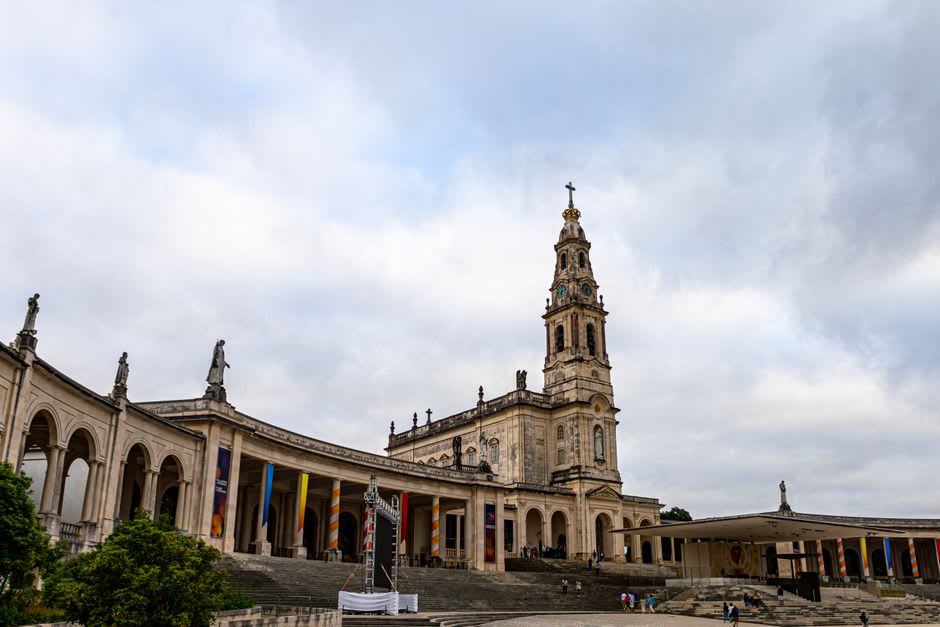
The Basilica of Our Lady of the Rosary holds the tombs of Francisco and Jacinta, who died young in the 1918-19 flu pandemic, and of Lúcia, who lived as a Carmelite nun into her nineties and only died in 2005 — meaning the entire story, myth and all, is within living memory of people still alive today, which somehow makes it feel less like history and more like an unresolved conversation.
The Candlelight Vigil
I stayed for the evening candlelight procession on the 13th of the month, when the statue of Our Lady of Fátima is carried out of the Capelinha and thousands of pilgrims follow with candles, praying the rosary aloud in a dozen languages overlapping into one long murmur across the plaza. Whatever you believe walking in, watching that many candles move together in the dark, lighting up ordinary tired faces from below, is hard to shrug off entirely.
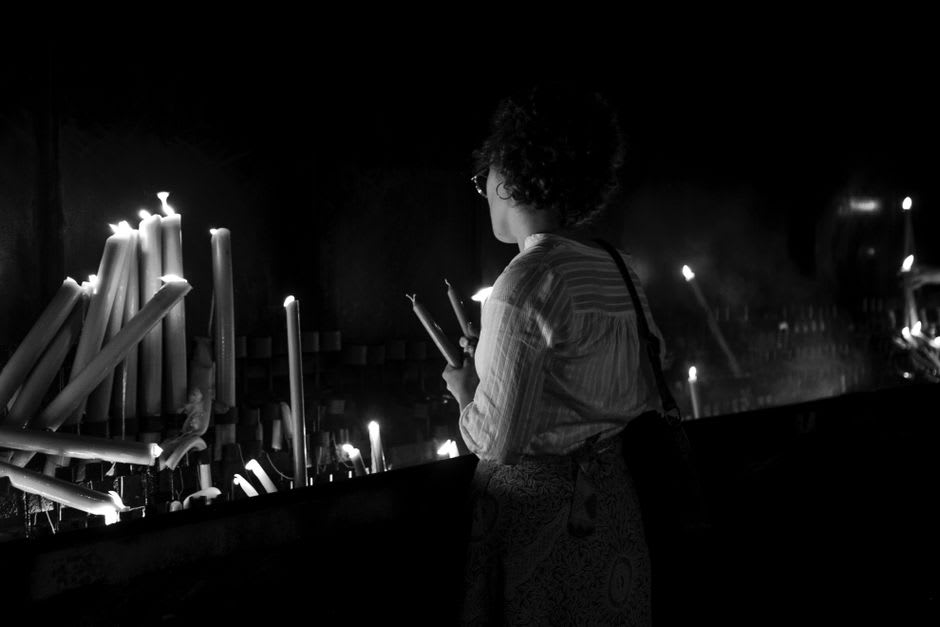
When to go: The 12th and 13th of any month, and especially May 12-13 or October 12-13, when the anniversary pilgrimages draw the largest crowds and the vigil feels most alive — though come prepared for genuinely massive numbers of people.