
Culatra Island
"Culatra has no roads, no cars, and — as far as I could tell — no reason to ever leave."
A barrier island with no cars and one long sand street, where a fishing community lives inside the Ria Formosa like the mainland never happened.
The ferry from Faro takes about forty minutes, cutting through the Ria Formosa’s channels past oyster racks and half-submerged sandbanks, and somewhere in there you stop looking at your phone and start looking at the water instead. Culatra announces itself as a low strip of houses that seems to be floating just above the tide line, and when the boat bumps against the jetty and you step off, the first thing that hits you is the silence — not empty silence, but the specific quiet of a place with no engines. No cars. No scooters. Not even bicycles, much. Just a wide sand track running the length of the settlement, lined with small houses in blue and ochre and chipped white, fishing nets drying over the fences, and cats asleep in doorways like they own the place, which, functionally, they do.
A Village That Runs on Tide Tables
Culatra is home to a few hundred people, almost all of them connected to fishing one way or another, and the whole rhythm of daily life bends around the tide rather than the clock. I watched men hauling in crates of clams and razor shells at a small dock, sorting them straight into buckets for the afternoon boat back to Faro’s market, moving with the unhurried efficiency of people who’ve done this since childhood. There’s a tiny school, a few small grocery shops that restock by boat, and exactly one restaurant terrace where I ate grilled robalo so fresh it had probably been swimming a few hours earlier, the owner’s daughter running food between tables barefoot.
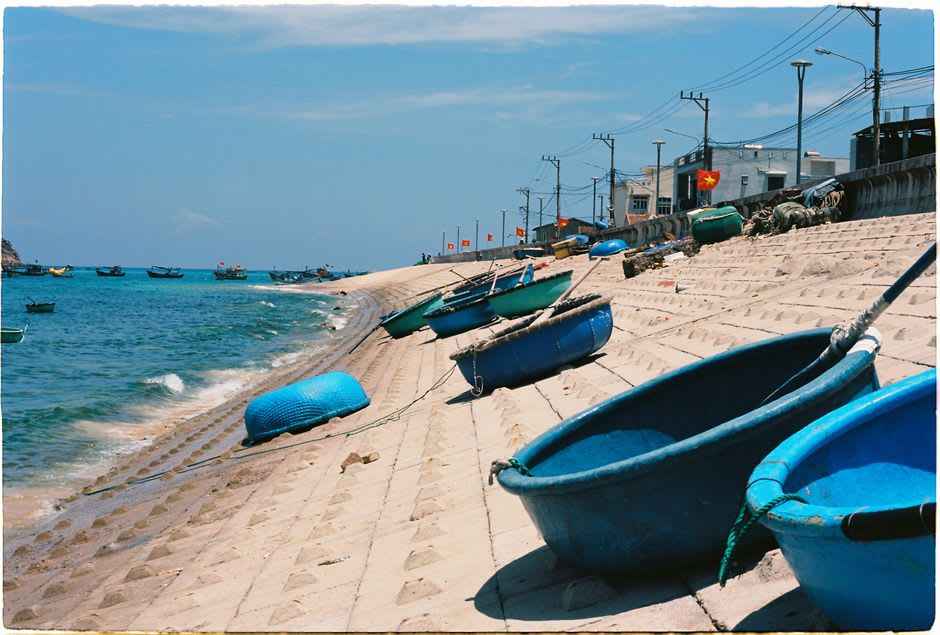
What struck me hardest was learning that Culatra’s residents have spent years fighting the Portuguese government just to keep their houses standing — much of the settlement was built informally over decades and has been threatened with demolition as part of coastal management plans, and locals have organized, protested, and negotiated to stay on a strip of sand that officially isn’t supposed to hold a permanent village at all. There’s something quietly defiant about a community insisting on its right to keep living somewhere this exposed and this beautiful, tide after tide, storm after storm.
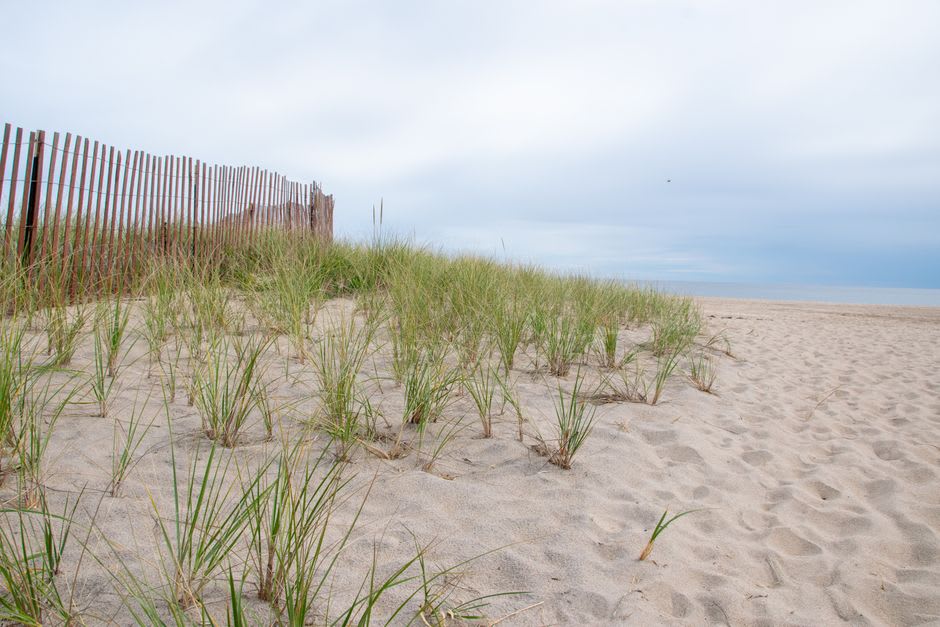
I walked across the width of the island in fifteen minutes, from the calm lagoon side to the open Atlantic beach on the other, where the dunes gave way to a stretch of sand so empty I had it entirely to myself on a warm June afternoon — something close to impossible anywhere else within an hour of Faro.
When to go: Check the ferry and tide schedules before you go, since some routes only run at high tide, and aim for a weekday in late spring when you’ll likely have both the village lanes and the ocean beach mostly to yourself.