
Chaves
"Chaves is where the Romans stopped to soak their feet two thousand years ago, and honestly, I understood the impulse immediately."
A frontier town near the Spanish border built on a Roman bridge and a hot spring, where the water runs naturally warm out of the ground and the smoked meats are taken as seriously as the thermal baths.
I drove into Chaves from the Spanish side, close enough to the border that the road signs had only just switched back to Portuguese, and the town’s name — which means “keys” in Portuguese, though it actually descends from the Roman Aquae Flaviae — makes more sense once you’re standing on the bridge. It’s a genuinely Roman structure, sixteen arches long, spanning the Tâmega river, still carrying foot and light traffic the way it has for close to two thousand years, with worn milestone columns at one end that once marked the road connecting Braga to Astorga in Spain. Standing there in the late afternoon, watching the river slide beneath arches built by engineers whose names nobody remembers, I had one of those small, disproportionate moments of awe that Portugal keeps ambushing me with.
The Water That Never Gets Cold
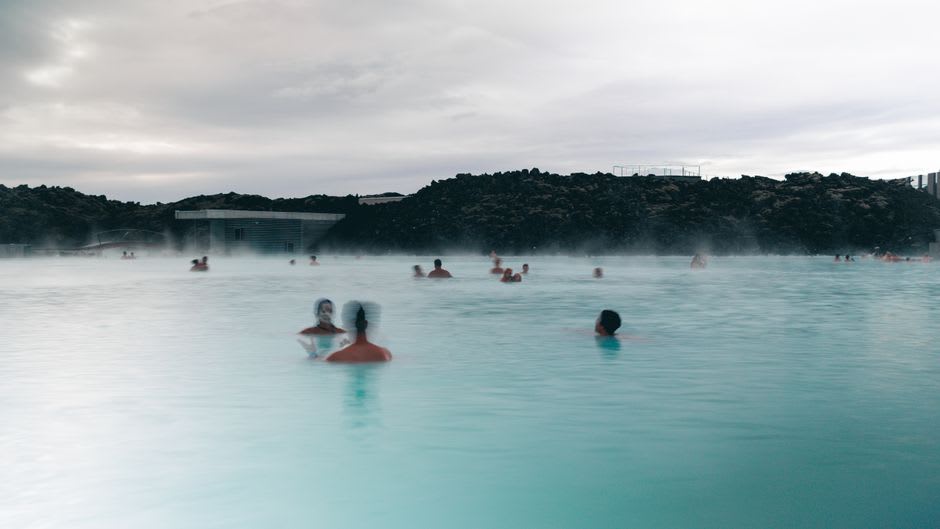
What Chaves is actually known for, beyond the bridge, is its water — a natural hot spring that bubbles up at around 73°C, one of the hottest in Europe, which the Romans harnessed into baths and which the town still uses today at the Termas de Chaves spa. I went in skeptical, mostly there for the novelty, and left converted: sitting in a pool of naturally hot mineral water on a cool Trás-os-Montes evening, steam rising off the surface into the dark, is one of those simple pleasures that doesn’t need embellishing. An attendant told me locals have been coming for the waters, for genuine ailments, since well before it became a wellness buzzword — this was medicine here, not spa marketing.
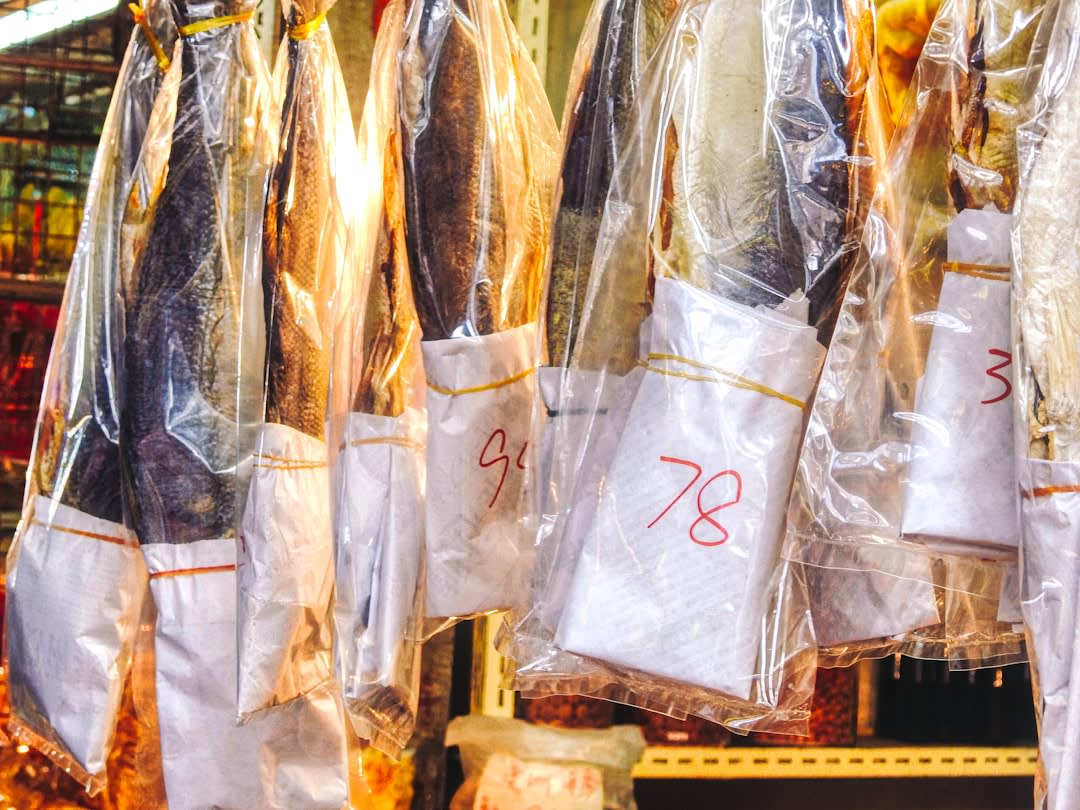
Chaves is also, unexpectedly, a serious food town, sitting at the heart of Trás-os-Montes charcuterie country. I ate my way through a plate of presunto de Chaves, the region’s famous cured ham, and alheira, the smoked sausage that Jewish communities forced to convert during the Inquisition supposedly invented — stuffed with bread and poultry instead of pork, precisely so a hanging sausage in the chimney would fool a suspicious inspector. The woman running the tasca where I ate told this history unprompted, proudly, between pours of a rough local red wine that came in an unlabeled bottle and tasted like it had opinions.
I left Chaves the next morning smelling faintly of sulfur and smoked meat, which felt like an accurate souvenir of the place.
When to go: Autumn, when the matança (the traditional pig-slaughter and charcuterie season) is in full swing and the thermal baths feel especially good against the first cold snap from the Trás-os-Montes hills.