
Buçaco
"Buçaco is a forest that monks protected with the threat of eternal damnation, and honestly, it worked."
A walled monastic forest of ancient trees planted by monks under threat of excommunication, hiding a neo-Manueline palace-hotel that feels like a fever dream in the best way.
The road into Buçaco climbs through increasingly dense forest until the trees close overhead like a tunnel, and then, at a bend I wasn’t ready for, the Palace Hotel appears — a riot of turrets, carved stone windows, and azulejo panels that looks like someone crossed a monastery with a wedding cake. I’d read about it beforehand and still laughed out loud in the car. It was built in the early 1900s as a royal hunting lodge in a wildly ornate neo-Manueline style, King Manuel II slept there for exactly one night before being exiled when the monarchy fell in 1910, and it’s been a hotel ever since — one you can walk into and wander even if you’re not staying, which I did, feeling mildly like a trespasser in someone else’s fantasy.
A Forest Monks Weren’t Allowed to Touch
What makes Buçaco genuinely strange, though, isn’t the palace — it’s the forest around it. Carmelite monks settled here in the seventeenth century and planted trees from across the Portuguese empire — cedars from Goa, sequoias, cypresses from Mexico, a species list that reads like a colonial botanical inventory — and to protect their sanctuary, Pope Urban VIII issued a papal bull in 1643 threatening excommunication to anyone who damaged so much as a branch. That threat, absurdly, outlasted the monastery itself; the trees are still here, some of them among the tallest in Europe, and the forest floor stays cool and dim even at noon in August.
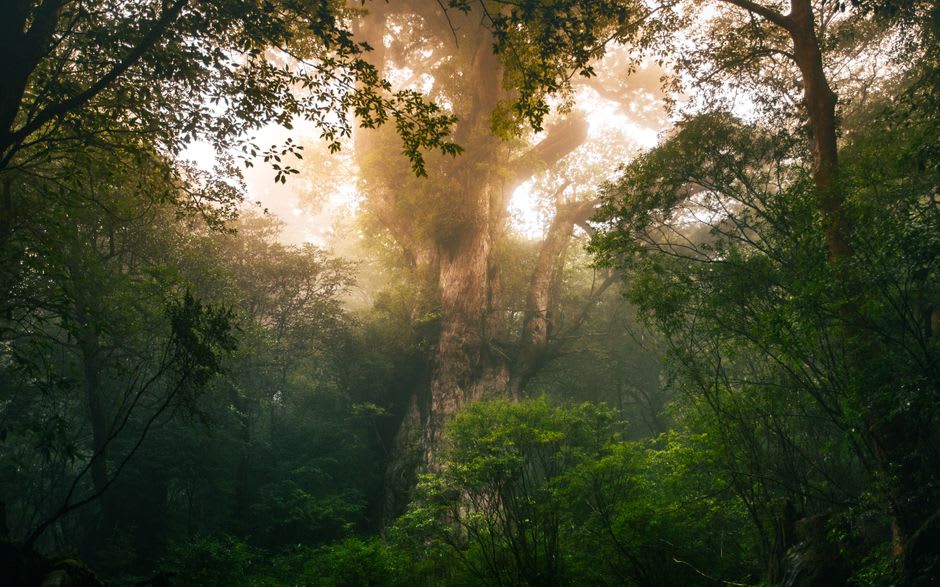
I walked the Via Sacra, a path lined with life-size stone chapels depicting the Stations of the Cross, moss creeping up their bases, and didn’t see another person for almost forty minutes — just birdsong and the particular hush that only very old forests seem to produce. At one clearing I sat on a low wall and ate an orange I’d been carrying since Coimbra, and it felt like the most contemplative snack of the whole trip.
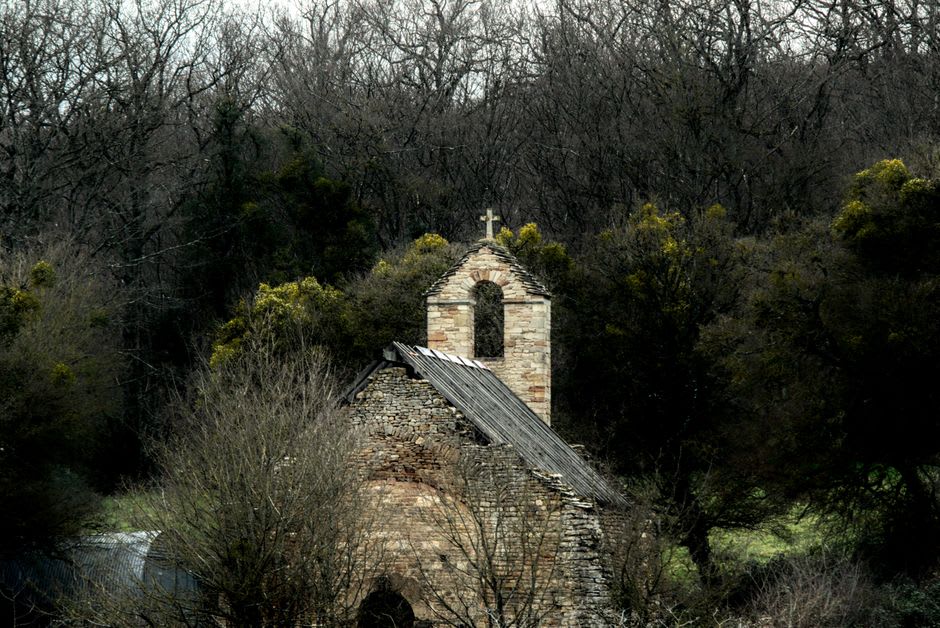
I ended up having coffee on the Palace Hotel’s terrace, absurdly overdressed for the setting in a t-shirt and hiking boots, watching peacocks strut across the lawn like they owned the deed.
When to go: Autumn, when the forest’s mix of deciduous and evergreen species turns the light gold and amber, and the crowds thin enough that the Via Sacra feels genuinely solitary.