
Azeitão
"Azeitão taught me that the best glass of wine I'd have in Portugal would cost about the same as a coffee, and nobody there thought that was strange."
A quiet Setúbal Peninsula village where sheep's cheese is still shaped by hand and the cellars of José Maria da Fonseca have been fortifying Moscatel wine since 1834.
Azeitão doesn’t try very hard to be found, which is more or less the point. I drove out from Setúbal on a whim, following a sign for “queijarias” — cheese producers — and ended up in a village of low ochre buildings, quiet enough at midday that I could hear a dog barking two streets over. The Setúbal Peninsula’s wine and cheese country runs through here almost by accident, vineyards and cork oaks and small dairies tucked behind unmarked gates, and it took me a wrong turn down a farm track before I found the first place actually willing to sell me something.
A Cheese You Eat With a Spoon
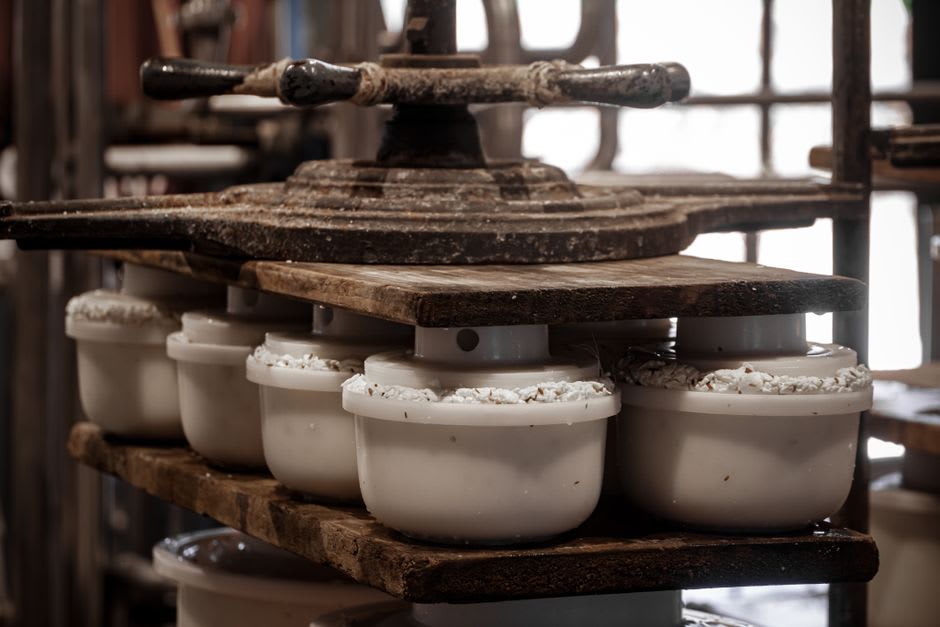
I stopped at a small family-run queijaria where an older woman was pressing curds into wooden molds by hand, the same method used here for generations to make queijo de Azeitão — a raw sheep’s milk cheese, curdled not with animal rennet but with the flower of the wild cardoon thistle, which gives it a distinctive, faintly bitter edge. She sliced off a wedge for me to try, still soft enough at the center that it had to be scooped rather than cut, and I understood immediately why locals treat this as sacred rather than just another regional cheese. I bought two small wheels wrapped in wax paper, warned by the vendor that they wouldn’t survive being forgotten in a hot car for long.
The Cellars of José Maria da Fonseca
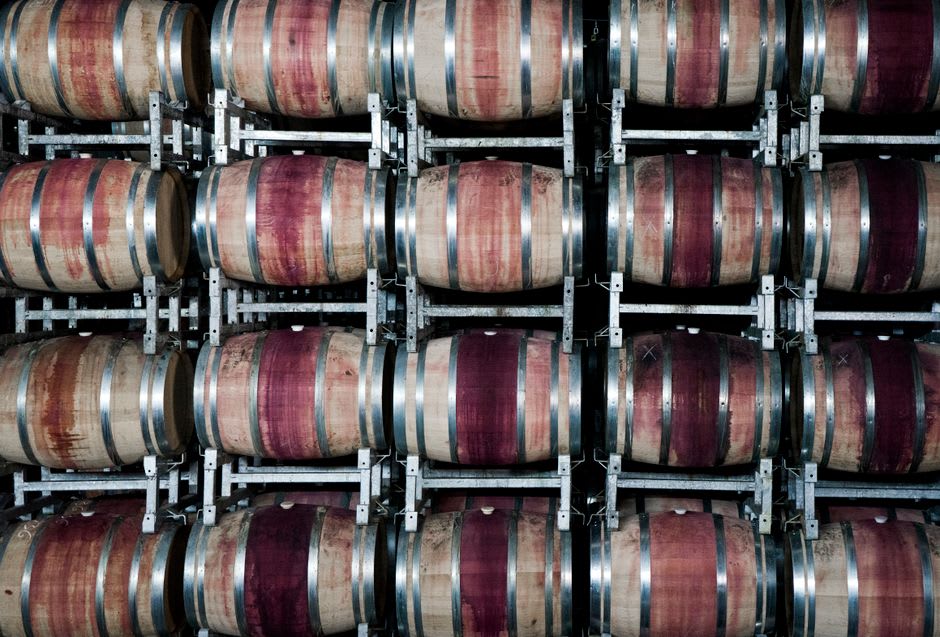
The main event, though, is the José Maria da Fonseca winery on the edge of town, founded in 1834 and still run by descendants of the same family, its cellars a maze of dark rooms stacked with oak barrels that smell so strongly of sweet must that I felt slightly drunk before tasting anything. A guide walked me past barrels aged for decades, some marked with dates I couldn’t quite believe, and finished the tour with a glass of Moscatel de Setúbal — a fortified wine so dense with dried fruit and orange peel that it tastes closer to liquid marmalade than to any wine I’d had before. Sitting afterward in the garden with a second glass, watching the light go amber over the vines, I thought about how little fanfare surrounds a place doing something this well.
When to go: September, during the wine harvest, when the cellars are busiest and the cardoon thistle used in the cheese is freshest — though the tastings run year-round if you just want the quiet version.