
Alcobaça
"Alcobaça is where I learned that a nine-hundred-year-old love story can still ruin your afternoon."
A colossal Cistercian abbey holding one of Europe's greatest doomed love stories in stone, in a small town that otherwise smells overwhelmingly, wonderfully, of egg-yolk pastry.
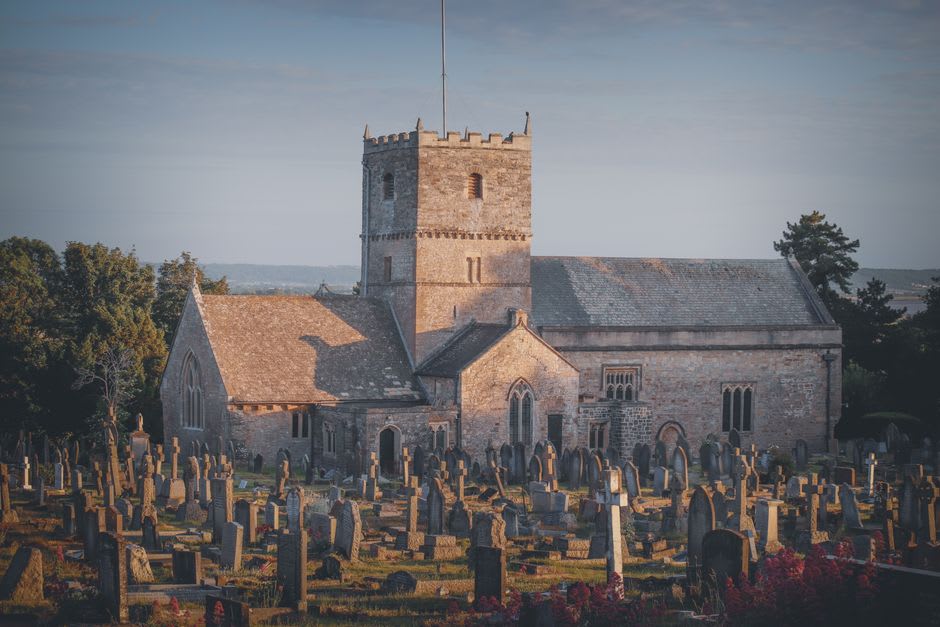
You see the scale of Alcobaça’s monastery before you register anything else about the town — it swallows the entire main square, a wall of pale stone and Baroque towers that looks less like a church and more like a small, self-contained kingdom. I’d come mostly for the pastry, if I’m honest, having heard the town invented the conventual sweets that later spread across Portugal. I stayed for something considerably heavier.
Pedro, Inês, and Two Tombs Facing Each Other
Inside, past the astonishing plainness of the thirteenth-century Cistercian nave — the Order forbade decoration, so the space reads as pure soaring line, one of the largest churches in Portugal and among the starkest — you reach the transept where two stone tombs face each other across the width of the church. These belong to King Pedro I and Inês de Castro, his murdered mistress, and the story attached to them is the kind that makes you go quiet in a room full of strangers. Inês was killed on the order of Pedro’s father, who feared her family’s political influence; when Pedro became king, legend says he had her body exhumed, crowned, and forced the court to kiss her hand before finally burying her here, tomb positioned so that on Judgment Day the two of them would rise facing each other first. Whether that exhumation happened exactly as the legend claims is disputed by historians, but standing between those two sarcophagi, carved with scenes of the Last Judgment and guarded by stone dogs at their feet, I didn’t much care about the historiography.
The monastery’s kitchen, oddly, hit me almost as hard — a cavernous room with a chimney so wide it could apparently roast several oxen at once, and a channel diverted from the Rio Alcoa running directly through the floor so the monks always had fresh water and fish on hand. Monastic life here was clearly not built on deprivation alone.
Pastry as Consolation
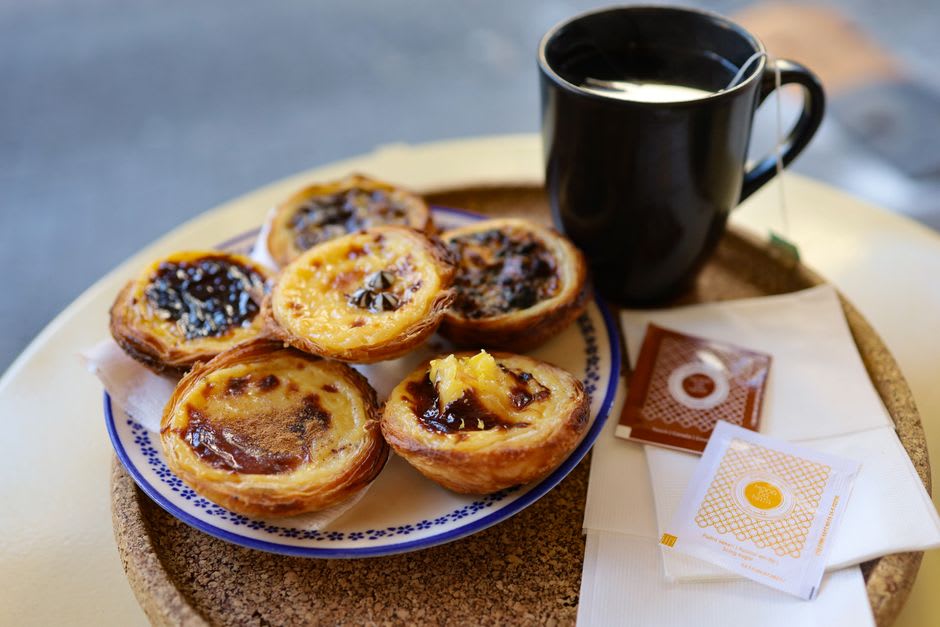
Back outside, I did what I’d actually come to do, which was sit at a café on the square and order a pastel de Alcobaça alongside the more famous pão de ló, both recipes the story credits to nuns and monks with sugar, egg yolks, and a lot of free time on their hands after the Church restricted convent dowries and pushed religious houses toward selling sweets for income. An older woman running the counter told me, without my asking, that the whole conventual pastry tradition across Portugal — the pastéis de nata included — traces back to kitchens exactly like this one.
When to go: Any season works for the monastery itself, but come in the morning on a weekday to have the transept and its tombs nearly to yourself before the tour buses arrive.