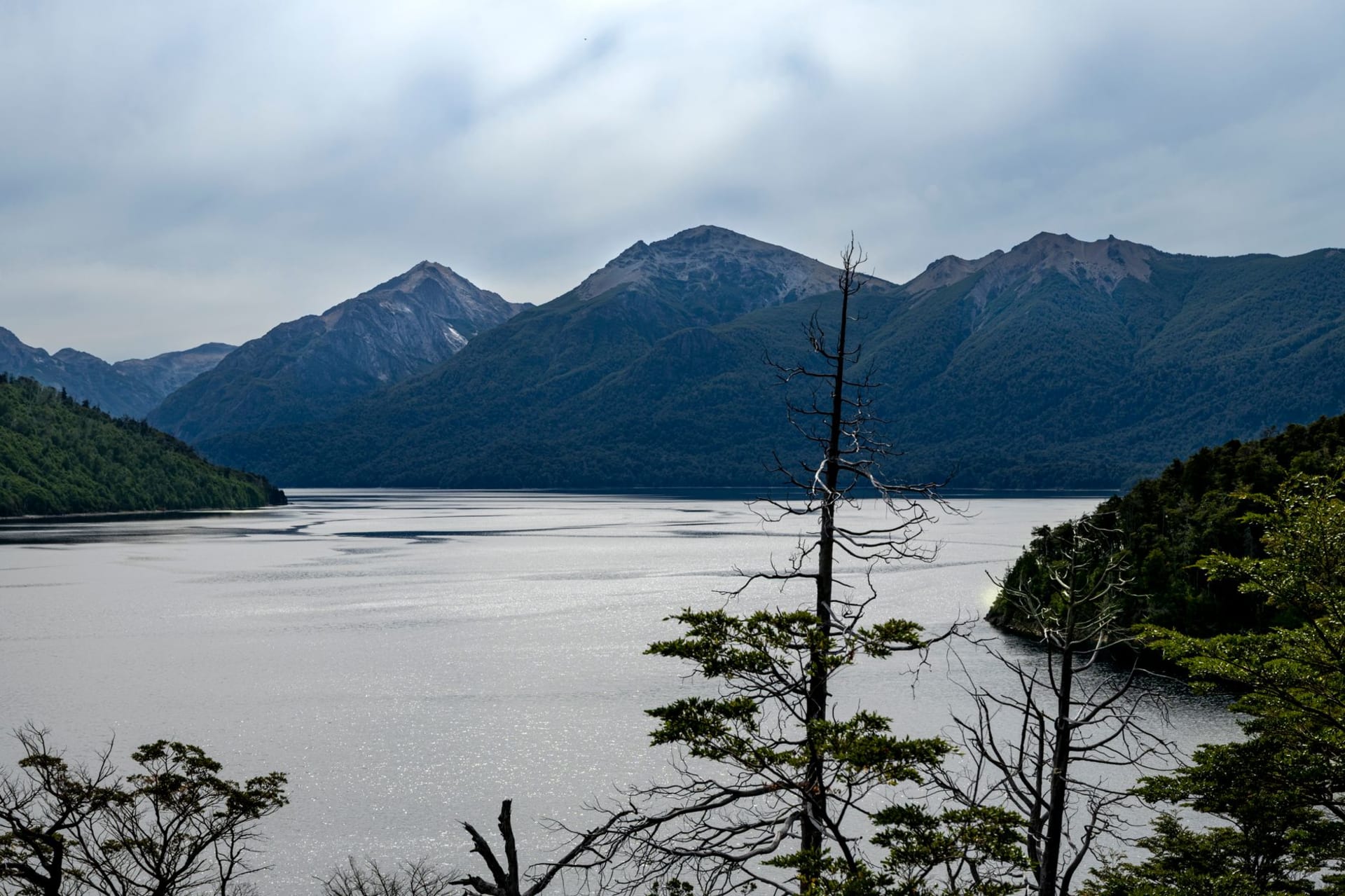
Canal Messier
"The canal doesn't feel like passing through a landscape. It feels like the landscape is passing through you."
I don’t remember which morning it was — the days on the ferry had already started to blur together in the way that happens when you stop consulting clocks — but I remember that it was still dark when the ship’s motion changed. The rolling that had been constant since the Golfo de Penas subsided and the water went very still, and when I looked out the porthole there was rock a hundred metres away on both sides. We had entered the Canal Messier. I put on three layers and went up to the bow deck and stood there until the cold made my fingers numb, which took about twenty minutes, and I didn’t move for any of them.
The Canal Messier runs roughly one hundred and eighty kilometres north to south through the western edge of the Chilean Patagonian archipelago, and it is remarkable for the simple reason that it is narrow. Not river-narrow — the ship passes through without any drama — but narrow enough that the scale relationship between water, wall, and sky becomes something that reorganizes how you hold yourself. The rock faces on both sides are black basalt, polished and striated by the glaciers that carved this channel over hundreds of thousands of years. They rise in some stretches to several hundred metres without a ledge or a break, moss-draped near the water and bare above, and the vertical lines they make are so continuous that your eye eventually stops trying to find the top and just accepts the walls as the limits of the visible world.
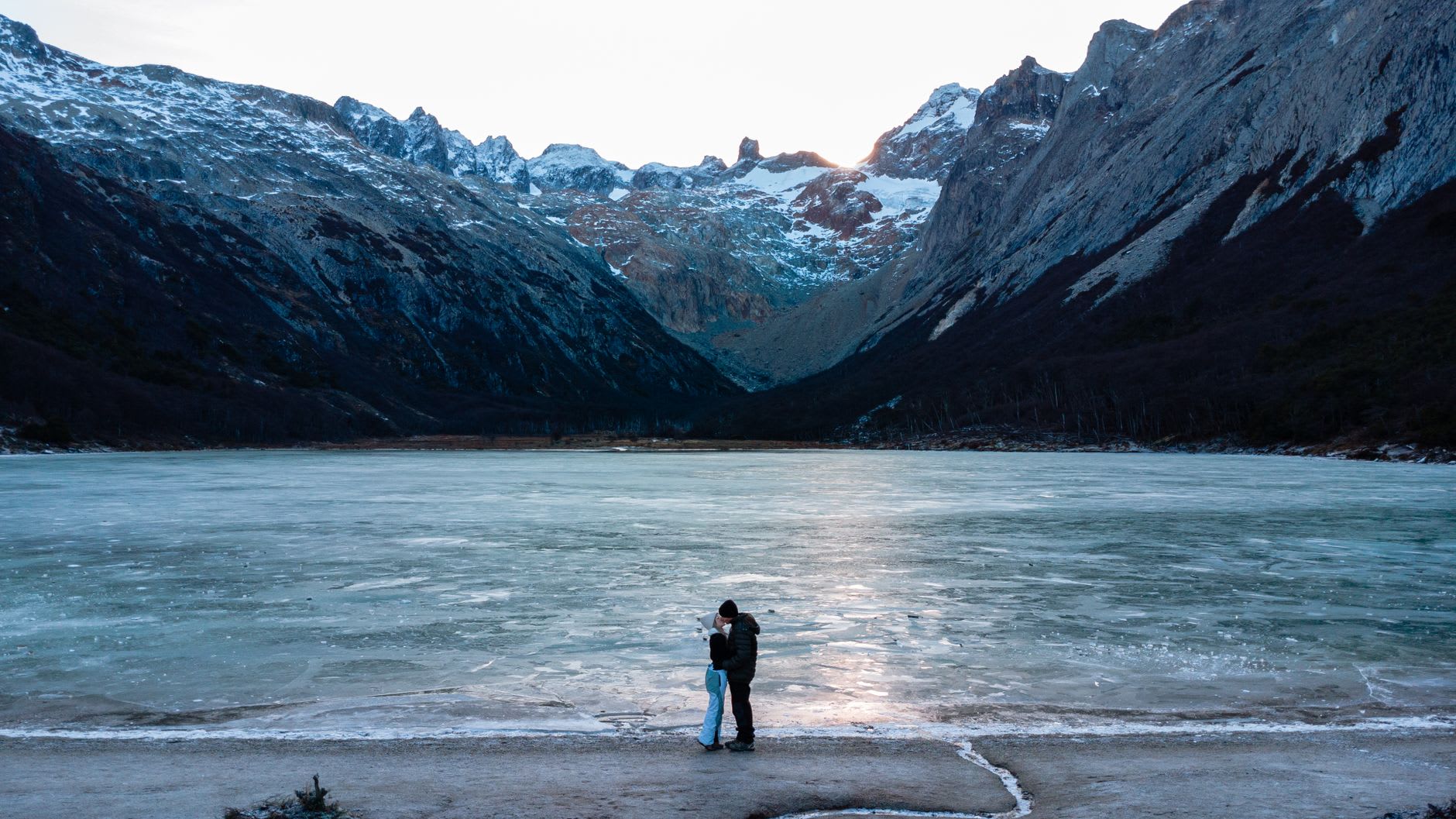
What happens to light inside the canal is different from anything I’d seen before. The sky above the channel is reduced to a strip, maybe thirty degrees wide, and the light that comes down through it has been separated from the ambient diffusion that normally softens everything. It arrives in a concentrated shaft, very white in the middle of the day, rosy and sideways in the mornings and evenings, and the water reflects it back upward so that you are receiving light from below as much as above. Waterfalls — there are dozens of them, emerging from the cloud-level on the cliff faces and dropping to the sea — catch this light in vertical white lines. When the sun found a gap in the cloud cover in the afternoon, the whole canal lit up from within, and everyone on deck went quiet.
The wildlife in the canal is concentrated and unafraid. Black-browed albatrosses bank alongside the ship at arm’s length. Commerson’s dolphins appear in the bow wake, their black and white markings startlingly graphic against the dark water. On a ledge halfway up the port wall I watched four Andean condors roosting, their three-metre wingspans folded against the rock, apparently unbothered by the ship moving forty metres below. At one point a pair of southern right whales appeared off the starboard bow and surfaced three times before the canal’s bend took them out of sight.

We passed through the canal in about twelve hours. By the time we emerged at its southern end into the wider channels, the mood on deck had shifted — not into disappointment exactly, but into the slightly deflated feeling that follows something that will be genuinely difficult to describe to anyone who wasn’t there. Several people had stopped trying to take photographs and were just standing.
When to go: The Canal Messier is traversed as part of the Navimag ferry crossing between Puerto Montt and Puerto Natales. Northbound or southbound, the canal is passed through in either direction. November through March maximizes the chance of clear weather for the full visual experience, though the canal is dramatic in rain and cloud as well — possibly more so.