
The reputation Bariloche carries as a ski resort — chocolate shops, fondue, tour groups in matching jackets — is both accurate and about thirty percent of the picture. I arrived in late November, off-season for the snow and just into the shoulder of the trekking window, and found a city in the act of being itself rather than performing for visitors. The Civic Centre on the waterfront, built from volcanic stone in a style somewhere between Swiss chalet and Andean fortress, was near-empty on a Tuesday morning. A man was reading a newspaper on a bench facing Lago Nahuel Huapi. The lake, a deep blue-green that belongs in a painter’s fantasy, stretched south toward peaks that still had snow on their summits, and the air smelled of pine resin and water and, somewhere close, something smoking over woodfire.
What Bariloche does better than almost anywhere in Patagonia is smoke meat. There is a tradition here — German and Central European immigrants who arrived in the early twentieth century, merged with the gaucho asado culture, and produced something distinct — of cold-smoked sausages and slowly smoked lamb shoulder and cured hams that fill the shop windows of the Barrio Civico in coils and joints and slabs. I bought a vacuum-packed jamón ahumado at a deli near the market and ate most of it in my room with bread and a Malbec, and then felt no guilt about it because I had hiked nine kilometres that day and the view from the top of the ridge had been, I told myself, worth every calorie.
The craft beer scene that has grown up around the lake district is the other thing people here are quietly proud of. The Patagonia Brewing Company, which started local before being swallowed by a multinational, still produces a Märzen that drinks well on a cold afternoon. But the smaller spots — Manush, Antares, a rotating cast of microcervecerías in the old town — are where the interesting work is happening. I spent an afternoon in a spot with six taps and a kitchen that served nothing but lomitos and papas fritas, and the beer was excellent and I was the only tourist there and everyone was very friendly and nobody tried to sell me chocolate.

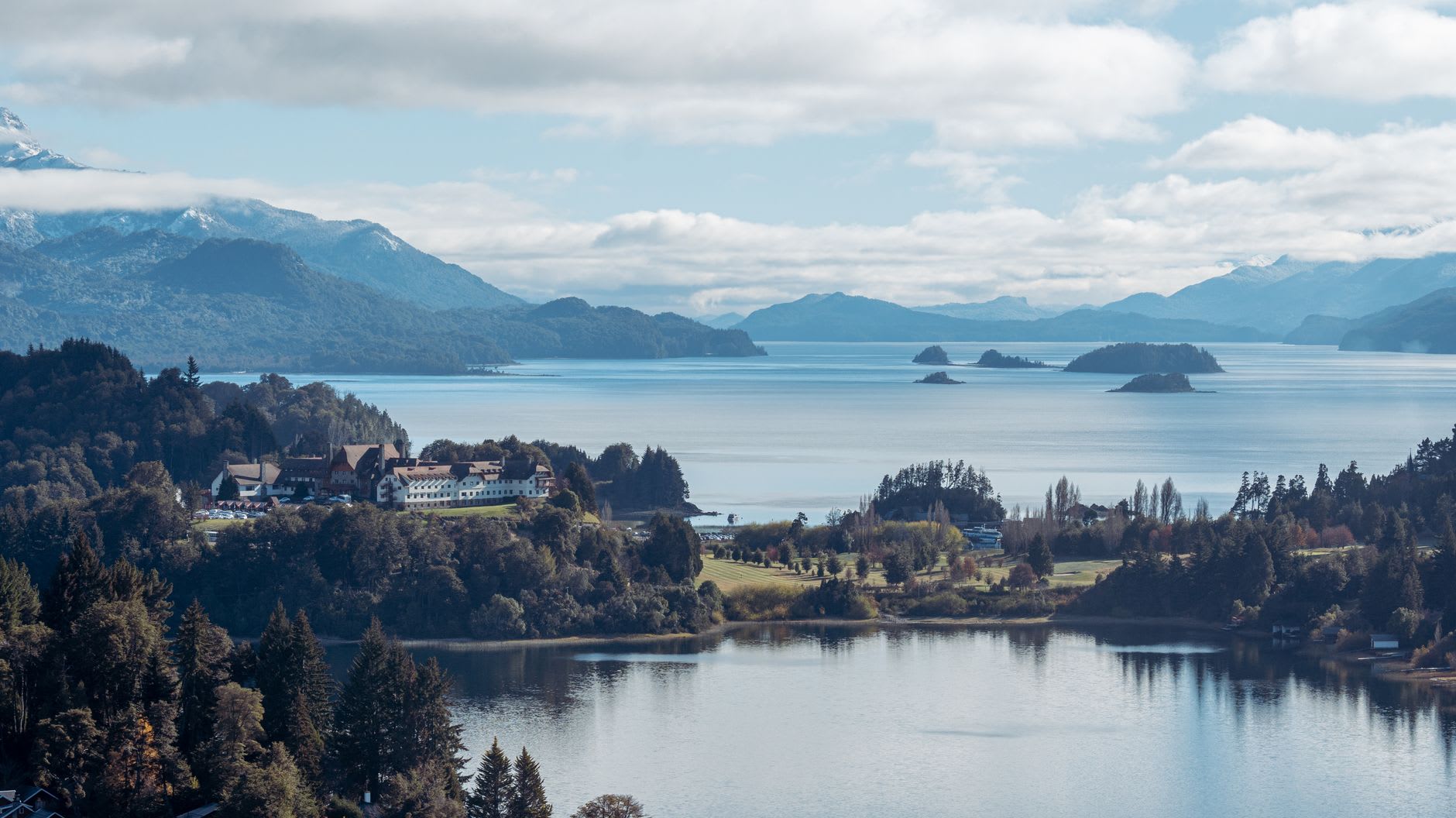
The hiking accessible from the city is significant. Cerro Campanario offers one of those views that gets ranked on lists — the lake below, the islands, the peaks arrayed in the distance — and it takes about forty minutes each way on foot, or you can take the chairlift if your knees request it. The Circuito Chico road loops through peninsula and forest and lakefront in a way that makes the most sense on a rented bicycle, which costs almost nothing and takes you past summer homes and fishing docks and a beach where the water is cold enough to make swimming feel like an achievement worth telling people about.
The Chocolate Museum is, frankly, not worth your time. The smoked meat is. This is the reliable guide to Bariloche.
When to go: Ski season runs July through September and the town fills entirely, accommodation prices peak, and the slopes above the lake are genuinely excellent. The hiking window opens in November and extends through April. January and February are beach season on the lake — crowded but genuinely fun. My preference is November or March: the weather is cooperative, the crowds are manageable, and the lake has a colour in shoulder-season light that the winter photos never quite capture.