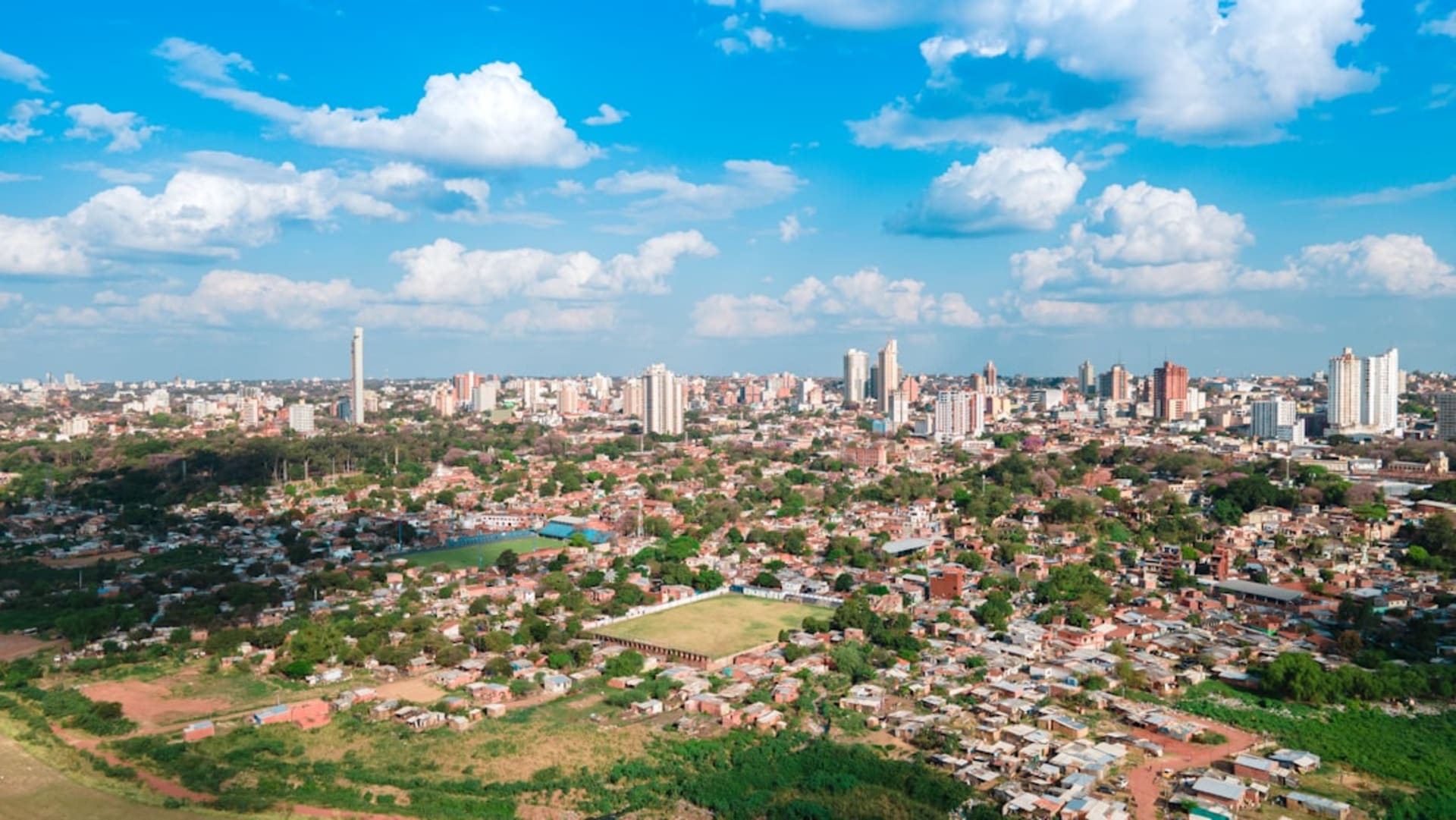
A low-lying river town on stilts and levees where the Paraguay River floods a rhythm of life into the streets nearly every year.
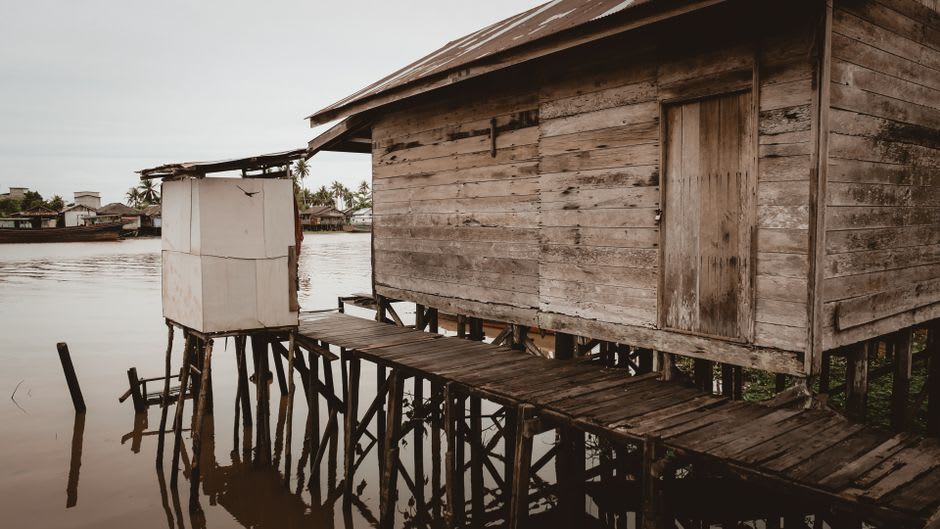
Pilar is a town built with the water in mind, which is another way of saying it floods, often and predictably, and has learned to live with that rather than fight it. The Paraguay River bends close here, and the low-lying neighborhood of Puerto Antequera sits on stilts and raised walkways specifically because the annual crecidas — the seasonal floods — regularly push river water into the streets for weeks at a time. I arrived during a dry stretch and walked among houses built a full story above ground level, chickens roosting under raised porches, boats tied up to posts that in another season would be entirely submerged.
An older resident named Don Fermín, sitting on his elevated porch mending a fishing net with hands that moved without needing to look, told me his family had lived in this same spot for three generations and had simply built successively higher after each bad flood, treating the river the way you’d treat an unpredictable but ultimately tolerable relative — respected, worked around, never fully trusted. He showed me a waterline stain on his house from a flood a decade back that had reached nearly to the second story, said with the flat matter-of-factness of someone for whom this was simply weather, not catastrophe.
The town center, safely above the flood line, has an unhurried charm typical of small Paraguayan river towns — a plaza shaded by tajy trees, a modest cathedral, and a costanera promenade where I watched the sun go down over the river with a small crowd of locals doing the same, mate gourds passing hand to hand along a row of benches. Pilar is also known regionally for its ao po’i, a delicate hand-embroidered cotton fabric, and I bought a small piece from a woman selling from a folding table near the plaza, the stitching so fine it seemed almost machine-made until she showed me the slight, human irregularities under a magnifying glass.
When to go: June through September avoids the highest flood risk and the worst summer heat, giving the best odds of walking the lower riverside neighborhoods on dry ground.