Paraguari
"Paraguari sits under its own private mountain, and it seems to like it that way."
A hill-flanked railway town beneath the Cerro Santo Tomas escarpment, where a rusting steam locomotive and steep forest trails share the same quiet valley.
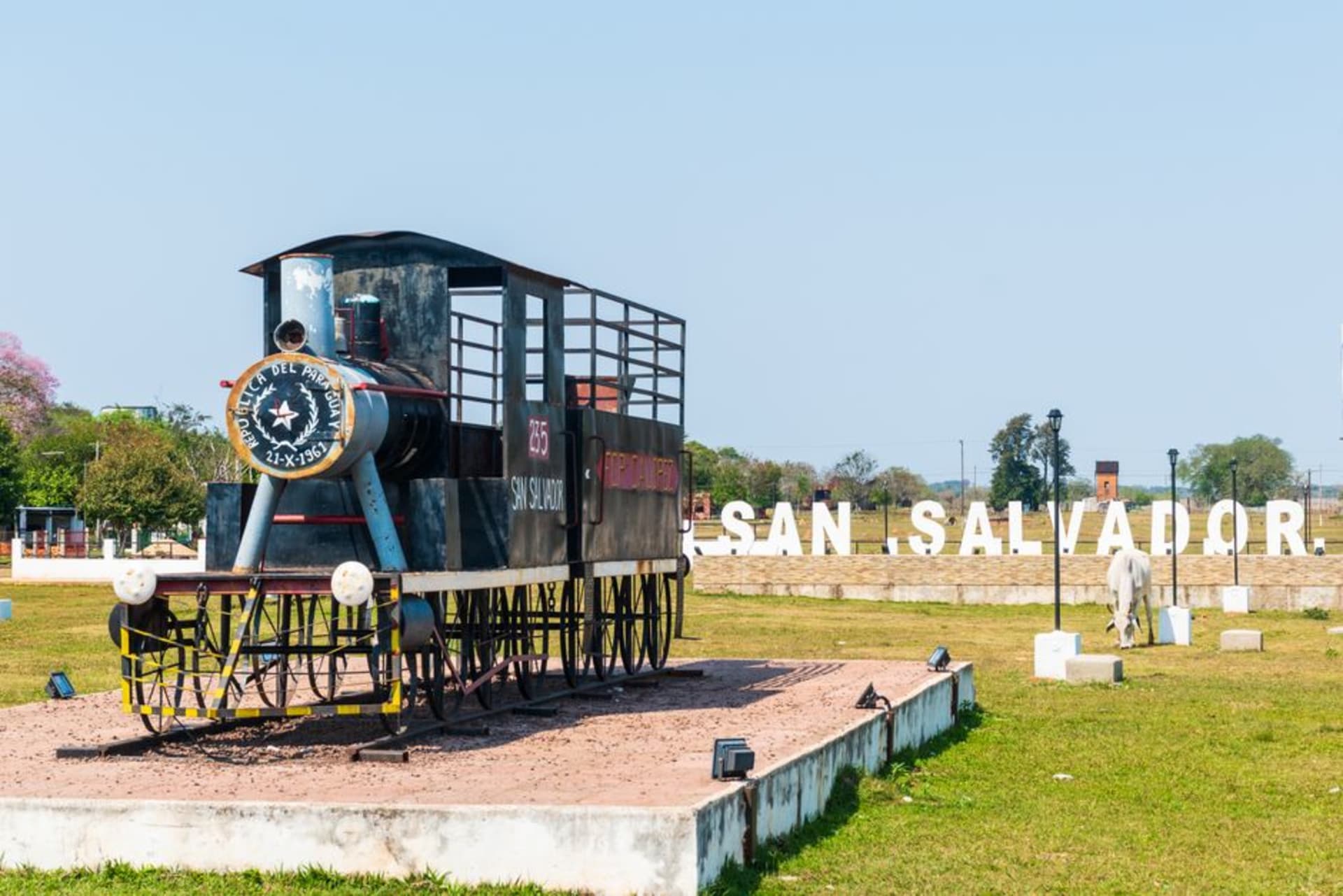
Paraguarí announces itself from a distance — the Cerro Santo Tomás, a steep forested escarpment, rises directly behind the town like a wall someone forgot to mention was there, dramatically out of scale with the low buildings clustered at its base. I arrived by the old rail line, or what remains of it, since Paraguay’s historic steam railway — once the first in South America, dating to 1861 — has long since stopped regular service, but the town’s station still holds a genuinely handsome rusted locomotive that generations of local kids have clearly used as a climbing frame, judging by the polish on certain handholds.
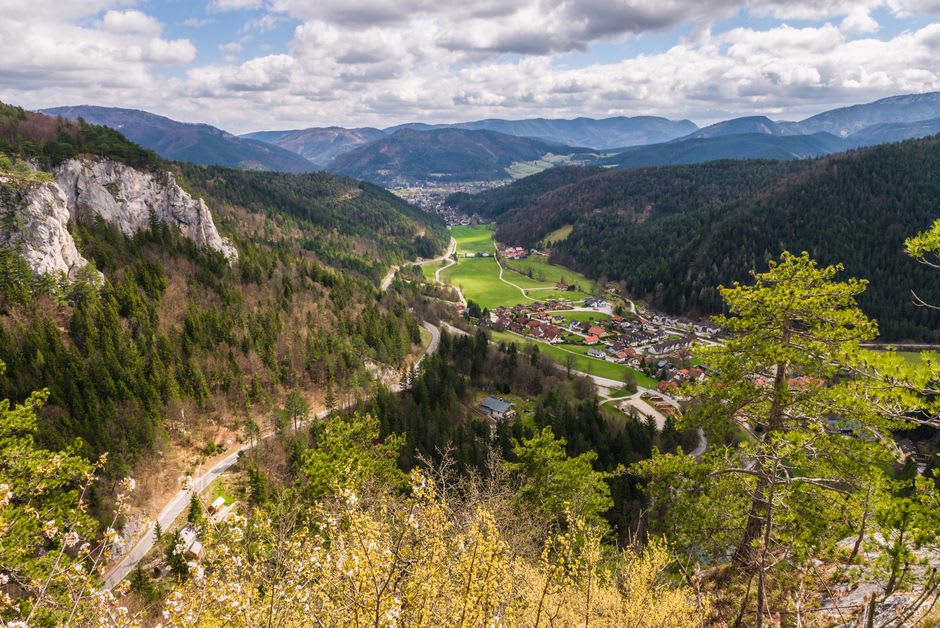
The hike up Cerro Santo Tomás is steeper than it looks from the plaza, a scramble through subtropical forest thick with vines and the occasional startled lizard, and I did it with a local guide named Ramón who used to run cattle on the lower slopes before switching to leading the occasional hiking tourist. From the summit, the whole valley opened up — Paraguarí’s terracotta roofs clustered below, patchwork fields extending toward the horizon, and on a clear day, Ramón told me, you can see as far as the beginnings of the Ybytyruzú range to the east.
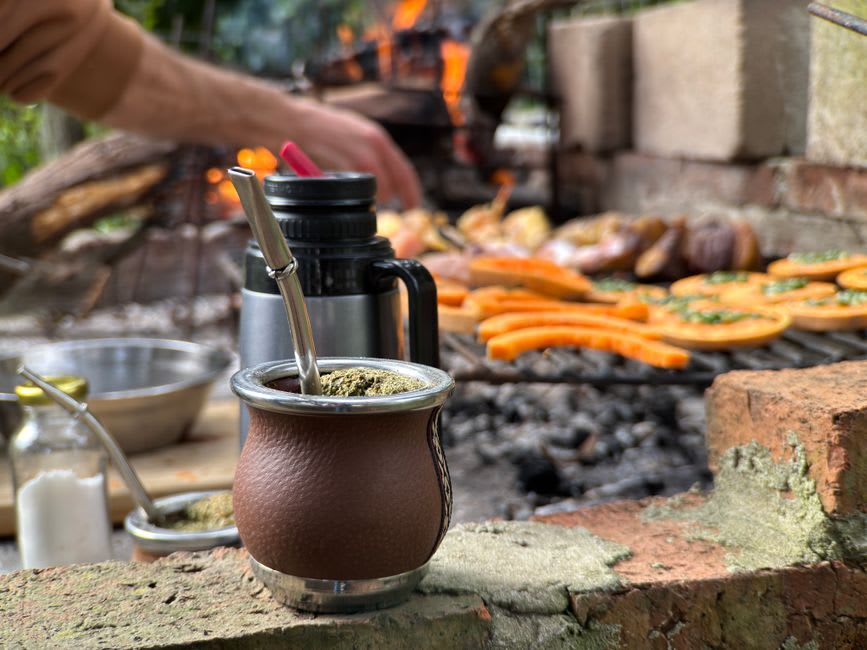
Back in town, we found a small comedor near the market serving bori bori, a hearty corn dumpling soup with chicken that felt exactly right after the descent, the owner ladling out seconds before we’d even finished asking. Paraguarí’s market itself was a modest, unpretentious affair — stalls of yerba mate, cheap plastic sandals, and a woman selling nothing but enormous bunches of fresh coriander, each one nearly the size of a bouquet — and I liked it precisely for having no ambition to be anything more than what its own town needed.
When to go: The dry season from April to September makes the Cerro Santo Tomás climb far safer underfoot and considerably less humid.