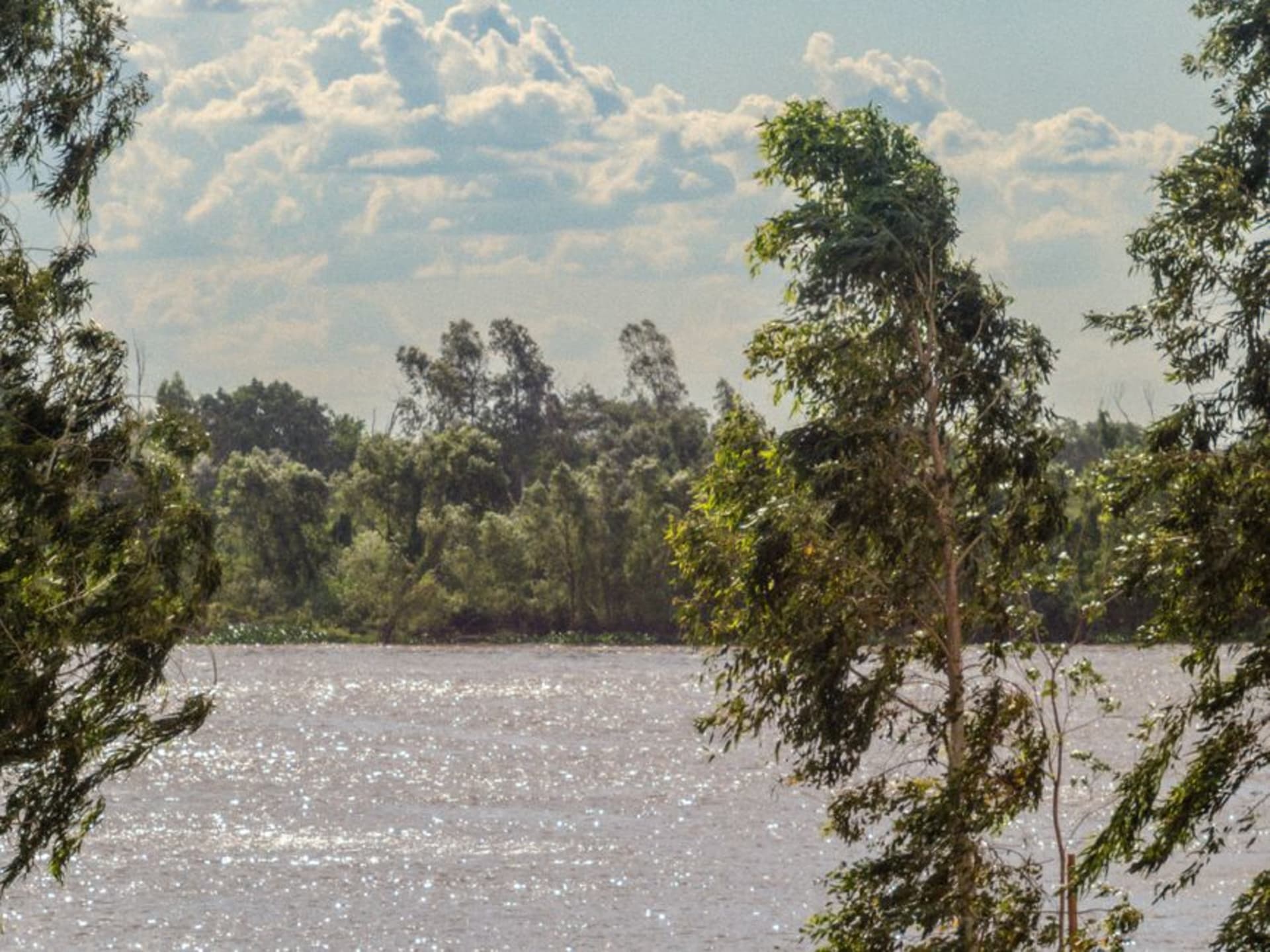
A faded river port on the upper Paraguay, its once-grand mansions and cattle-boat docks holding onto a slower northern frontier world.
Concepción calls itself the “Perla del Norte,” and there is a genuine faded pearl quality to it — a river port built for a boom in cattle and cotton commerce that has long since slowed, leaving behind Italianate mansions with peeling facades, ironwork balconies rusting attractively above the street, and a general atmosphere of a place that peaked decades ago and has been quietly, gracefully declining ever since. I liked it immediately for exactly this reason. There is none of the polish of Asuncion here, and none of the performance either.
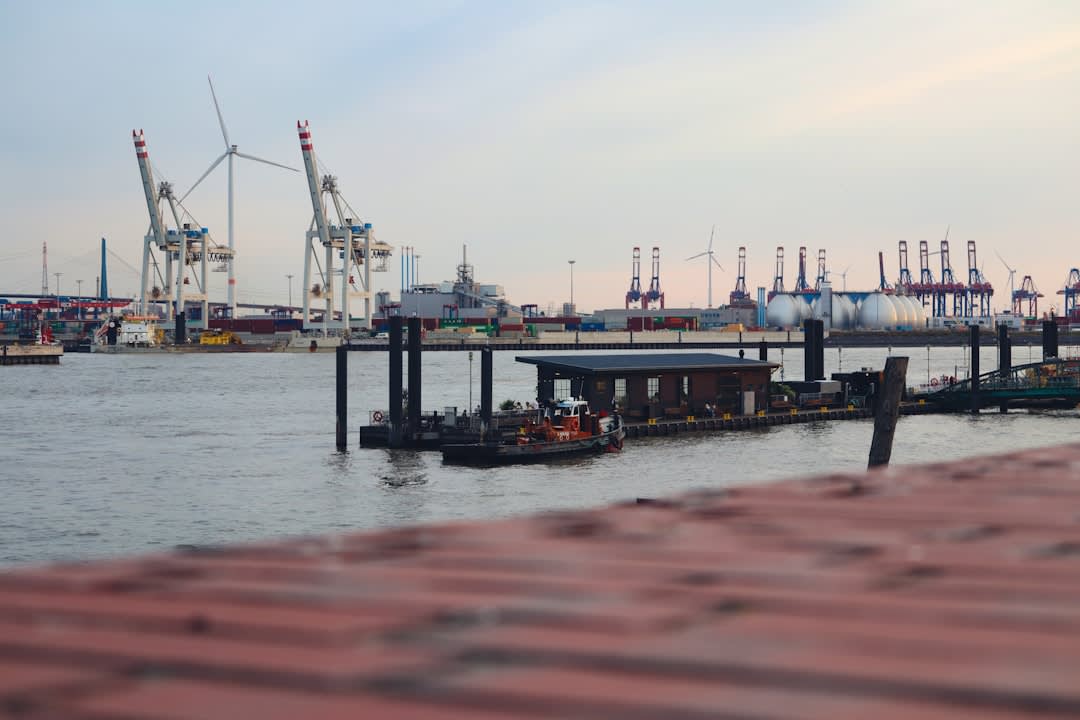
The Paraguay River is still the town’s reason for existing, and I spent a morning down at the port watching cargo boats and the occasional passenger ferry load up for the long haul north toward the Pantanal and the Brazilian border, or south toward the capital. An old dockworker named Feliciano, missing most of his teeth and cheerfully talkative, told me he’d worked these docks for over thirty years and had watched the river trade shrink year by year as roads improved, though he said it with more nostalgia than bitterness, the way people talk about a version of home that existed before they did too, almost.
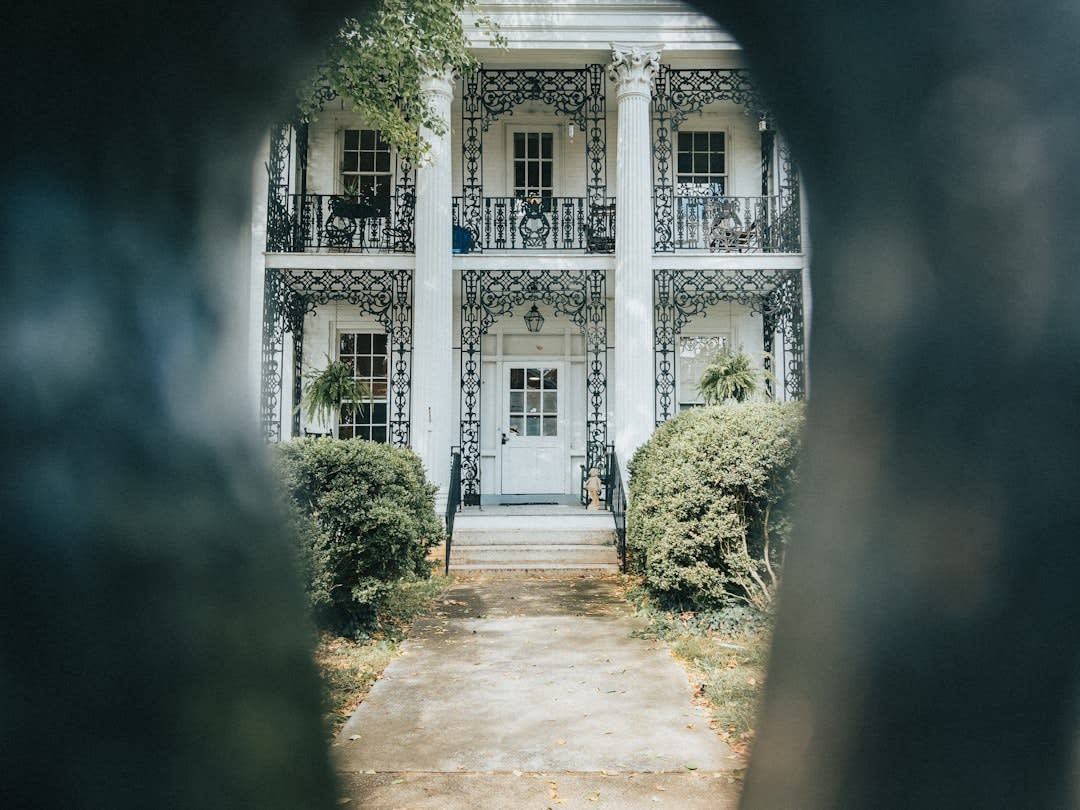
Lia and I wandered the residential streets near the center in the late afternoon, past mansions built by cattle barons a century ago, several now abandoned or half-occupied, vines working their way up columns that once framed grand entrances. One house, its gate hanging off a single hinge, had a courtyard visible through the ironwork thick with mango trees dropping ripe fruit onto cracked tile — nobody around to collect it. We found a small confitería near the plaza that served an excellent dulce de leche cake and sat there as the evening cooled, watching horse-drawn carts still occasionally clatter past, a detail of daily transport that felt entirely unposed.
When to go: May through August offers the coolest, driest conditions for exploring on foot; this is also a natural jumping-off point for boat trips north into the Pantanal wetlands.