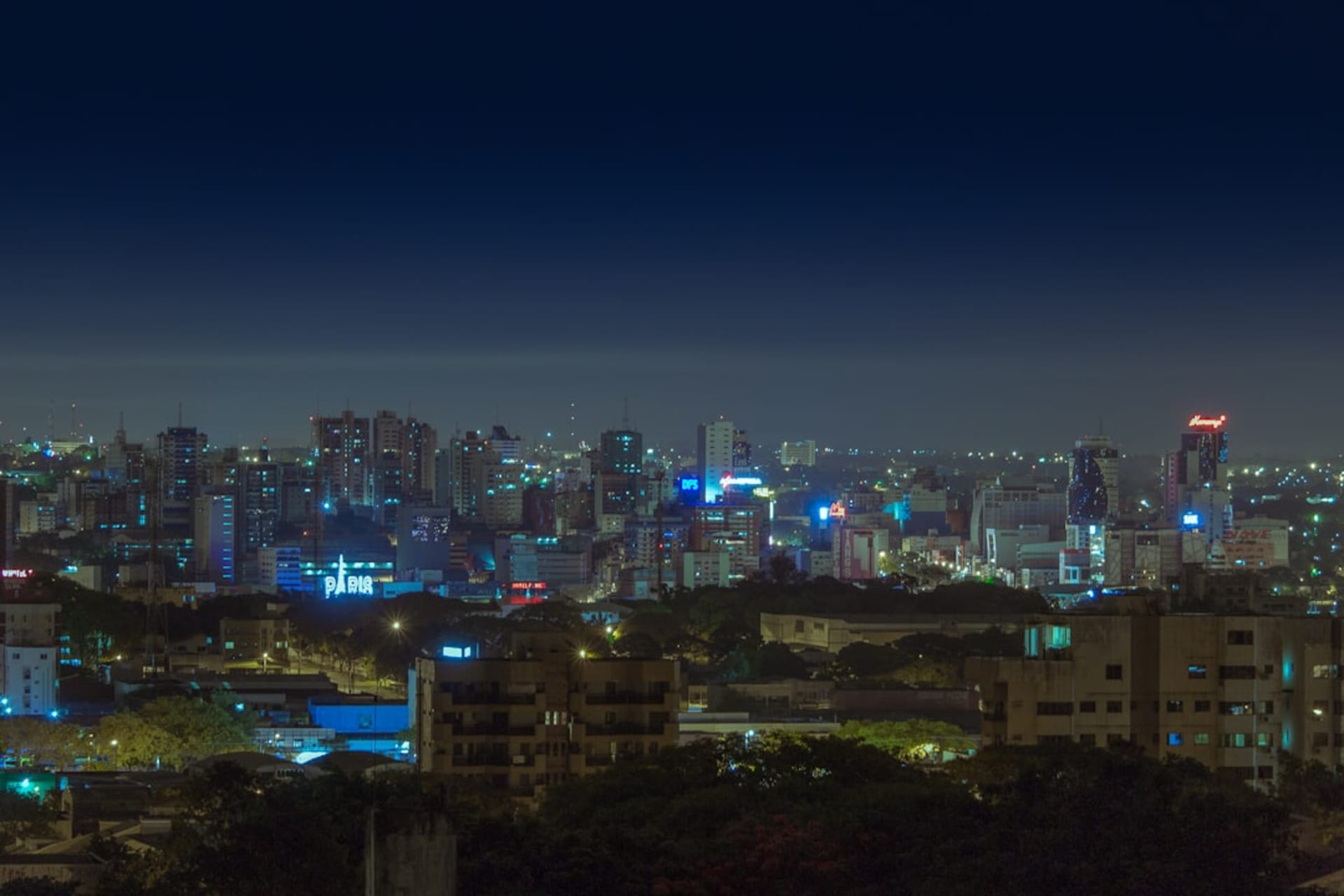
Ciudad del Este
"Everyone here is selling something, buying something, or crossing a bridge to do both."
A frontier city of duty-free malls and river light, standing at the hinge where Paraguay, Brazil, and Argentina almost touch.
Ciudad del Este does not pretend to be charming, and I found that oddly refreshing after months of destinations performing their own quaintness. This is a city built entirely around commerce — one of the largest duty-free zones in South America, sitting at the point where the Paraná River separates Paraguay from Brazil, with Argentina close enough that on a clear day you can sense all three countries pressing against each other. The main strip near the Puente de la Amistad is a chaos of electronics shops, perfume outlets, and street vendors hawking phone cases in four languages at once, and I spent my first hour simply standing in the noise of it, slightly overwhelmed, entirely fascinated.
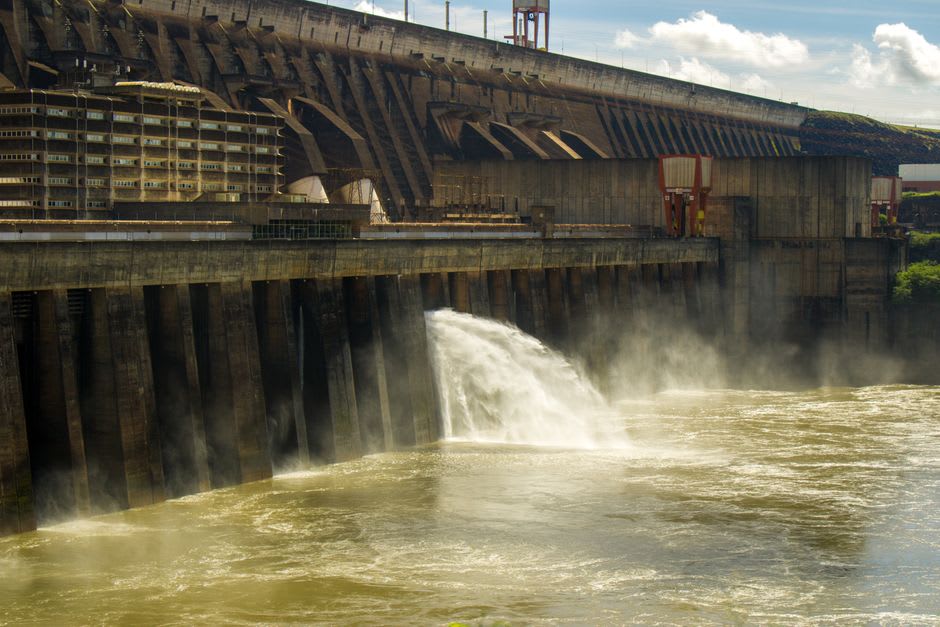
What nobody tells you is that fifteen minutes outside this commercial fever is one of the most astonishing engineered landscapes on the continent. The Itaipu Dam, a joint Paraguayan-Brazilian hydroelectric project, is so large in person that photographs fail to communicate its scale — I stood at an overlook and watched the spillway release water with a sound like continuous thunder, mist rising in a permanent cloud above the gorge. Our guide, a Paraguayan engineer named Gustavo who had worked on turbine maintenance for a decade, told me the dam supplies nearly all of Paraguay’s electricity and a significant share of Brazil’s, which is a strange thing to comprehend while watching brown river water disappear into concrete on this scale.
Lia and I ate dinner one night at a churrascaria near the bus terminal, the kind of place where the meat arrives faster than you can finish your plate and the waiters seem personally offended if you decline a cut. Half the clientele were Brazilian day-trippers who had crossed the bridge to buy electronics and stayed for the beef, which felt like a fair summary of the whole city’s economy. Later we walked along the riverside promenade as the light dropped, watching cargo boats move slow against the current, the commercial towers behind us finally quieting down for the night.
When to go: April through June and September through November avoid both the punishing summer humidity and the heaviest holiday shopping crowds from Brazil and Argentina.