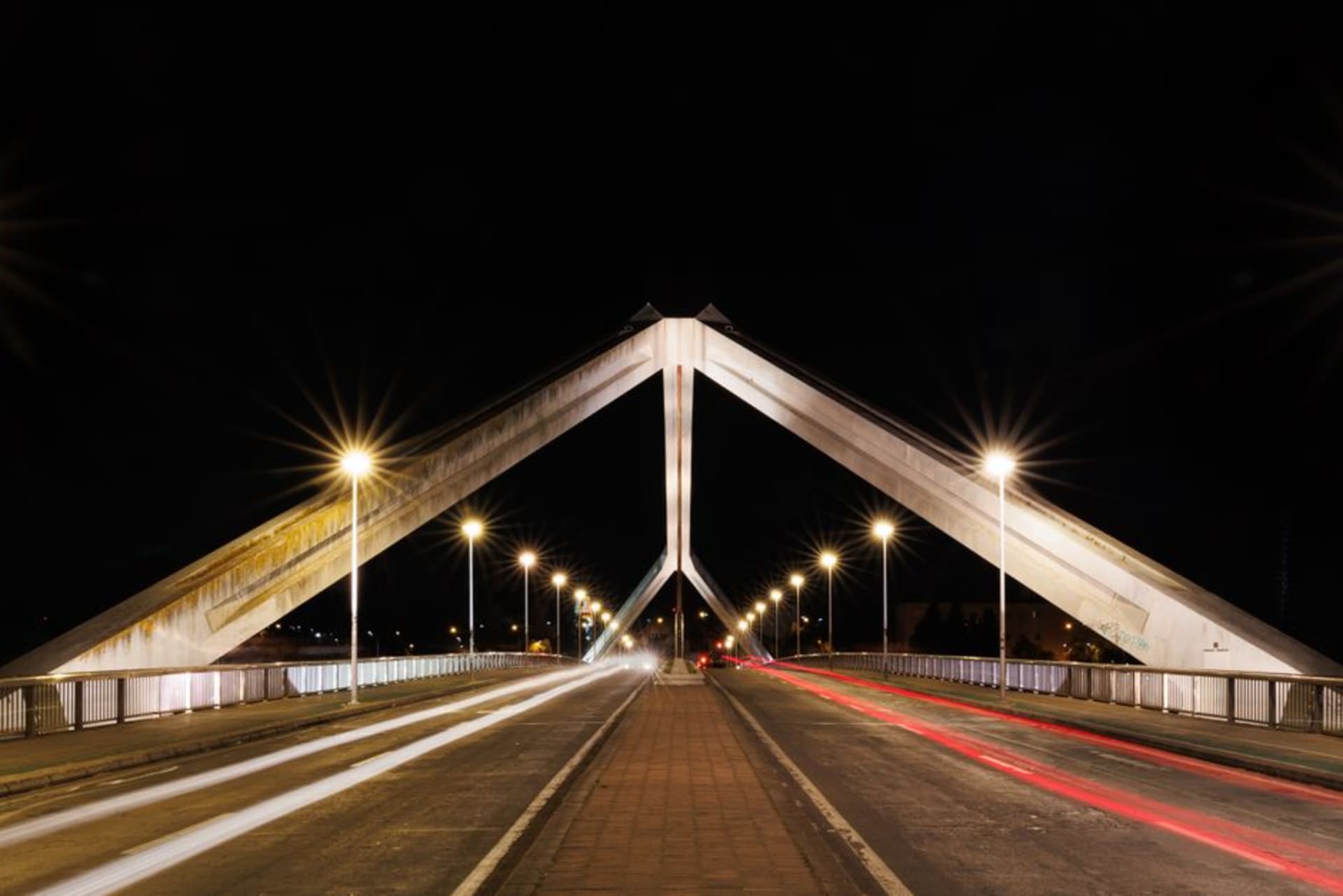
Transpantaneira Highway
"We counted bridges instead of kilometers, and somewhere around forty I stopped counting and just watched the birds."
A 147-km dirt road on stilts through the Pantanal, crossing over 120 wooden bridges into one of the wildest, most jaguar-haunted landscapes I've ever driven.
I’ll be honest, the first ten minutes on the Transpantaneira nearly gave me a heart attack. We’d rented a battered pickup in Poconé, and within a few hundred meters of turning onto the raised dirt road, the truck’s tires were thumping over wooden planks with gaps wide enough to see the water underneath. Lia gripped the door handle and asked, only half joking, whether the bridge was going to hold. It did, obviously, it always did, but by the time we’d crossed our twentieth or thirtieth one I understood why people talk about this road the way they do. It’s not really a highway. It’s a 147-km spine of packed earth laid across a floodplain in the 1970s, and every bridge is a small act of faith.
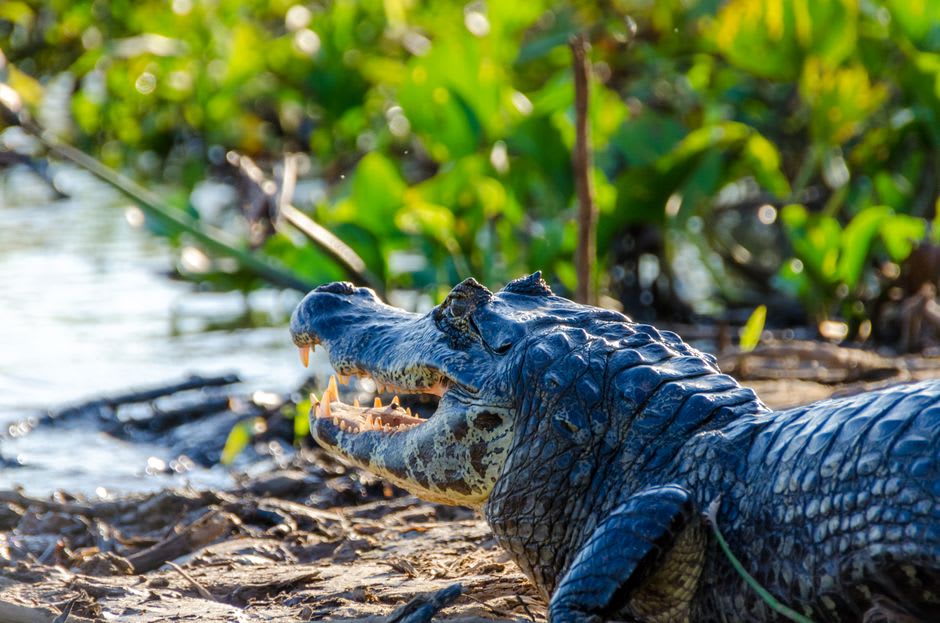
What nobody tells you is how quickly the wildlife starts showing up. We hadn’t even reached the first proper fazenda before we spotted a caiman sunning itself on the bank not five meters from the truck, utterly unbothered by our idling engine. Then a family of capybara ambled across the road ahead of us like they owned it, which, in a sense, they do. I remember cutting the engine near a marshy bend just to listen, and within a minute a jabiru stork unfolded itself out of the reeds, all improbable proportions, and lifted off over the water.
The road was originally meant to keep going, all the way south to Corumbá, but construction stalled and it just stops at Porto Jofre, a dead end that somehow makes the whole drive feel more intentional rather than less. Everyone we met along the way, ranch hands, other travelers, a guide refueling his boat, seemed to treat Porto Jofre as a kind of pilgrimage site, because that stretch near the end is where the jaguar sightings concentrate. We didn’t see one on the drive itself, we got lucky on a boat two days later, but I’ll never forget rolling past the last few kilometers of dirt road at dusk, scanning the treeline out of habit, half expecting a flash of orange in the grass.
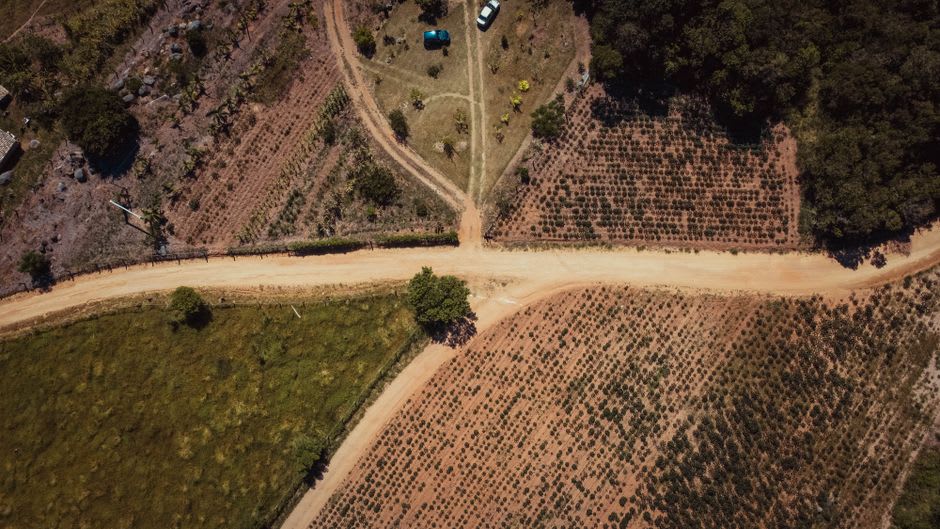
We took nearly six hours to cover a distance that would take ninety minutes on pavement, and I wouldn’t have wanted it any other way. Every stop turned into twenty minutes of watching herons or arguing over whether a shape in the water was a log or a caiman, more often than not it was a caiman. If you go, take it slow, bring more water than you think you need, and don’t be surprised if the drive itself ends up being the best wildlife encounter of your whole Pantanal trip.
When to go: The dry season between June and September is by far the best window, when the bridges are solid, the road is passable end to end, and animals cluster visibly around the shrinking waterholes; come December, stretches of it disappear entirely under floodwater.