
Portobelo
"Drake is supposedly buried in a lead coffin somewhere in this bay. Nobody has ever found it."
A crumbling Spanish fortress town on the Caribbean where treasure fleets once loaded silver and pirates came looking for it.
Portobelo’s bay is disarmingly calm and green, ringed by jungle-covered hills, and it takes a genuine effort of imagination to picture it as one of the most fought-over harbors in the Americas. For two centuries this was where Spain’s silver from the Potosí mines was loaded onto treasure fleets bound for Seville, which made it an irresistible target: Francis Drake attacked it, Henry Morgan sacked it, and Edward Vernon’s British fleet finally leveled much of it in 1739. Drake, in fact, died of dysentery just offshore and was supposedly buried at sea in a lead coffin somewhere in this exact bay — a detail every local guide repeats with evident relish, since no one has ever found it.
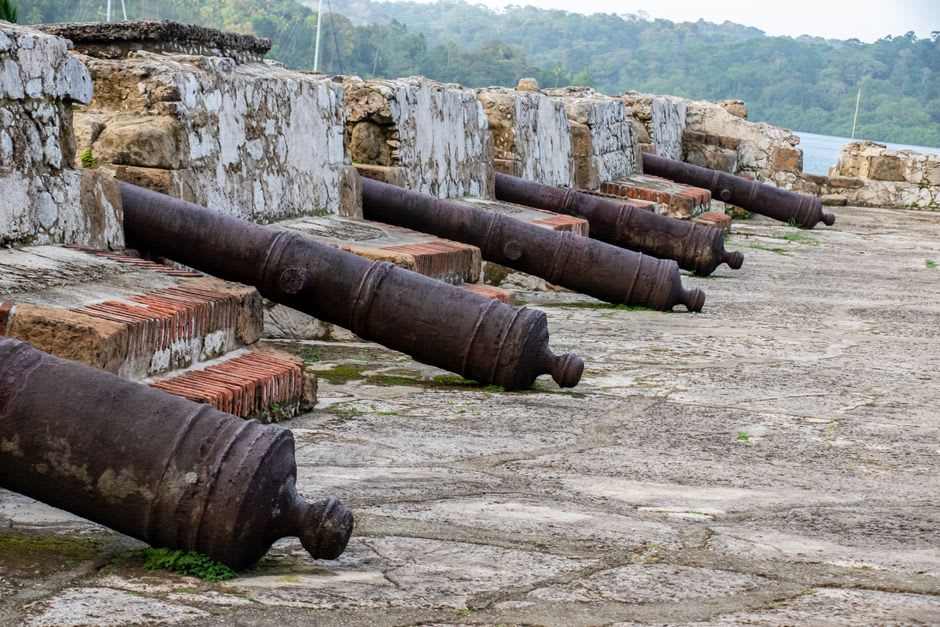
The fortifications that survive — Fuerte San Jerónimo right on the waterfront, and the larger Fuerte Santiago on the hill above — are UNESCO-listed and genuinely striking in their decay: cannons still aimed out at the water, stone walls furred with moss, ceiba trees growing directly through what used to be gun emplacements. I climbed onto one of the old batteries at Santiago as the light went gold and watched a fishing boat cross the exact channel that Drake’s fleet would have used five centuries earlier.
What I didn’t expect was the town’s living culture, which is as significant as its ruins. Portobelo is a center of Congo culture, descended from escaped and freed African slaves who built an entire cosmology of dance, drumming, and satirical performance mocking their former Spanish masters — it survives today in the Congo festivals held around Carnival and Ash Wednesday, all painted faces, percussion, and theatrical devil costumes. The Black Christ festival every October 21st draws pilgrims from across Panama to the church housing the Cristo Negro statue, a devotion with its own tangled, contested folklore about how the statue came to be here at all.
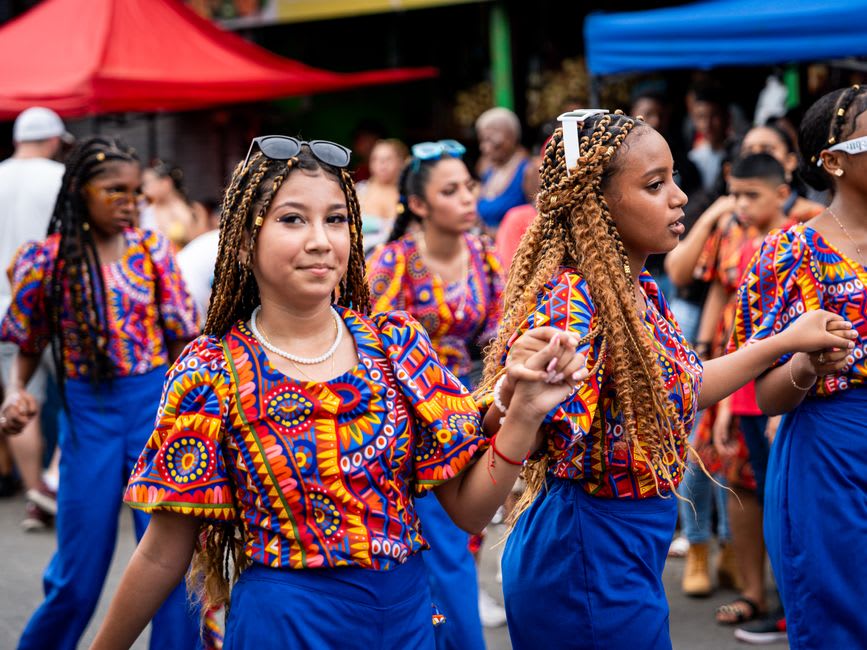
When to go: The dry season from January to April is best for exploring the forts comfortably. If you can time a visit around the Congo festivals near Carnival or the Black Christ procession in October, you’ll see the town at its most alive.