Las Tablas
"Calle Arriba versus Calle Abajo. It's just two streets, and it's completely serious."
The Azuero town that holds Panama's most fiercely competitive Carnival, where two rival neighborhoods have been out-dancing each other for generations.
Las Tablas is a modest agricultural town for fifty weeks of the year and then, for the four days before Ash Wednesday, becomes the epicenter of what many Panamanians will tell you, without much room for debate, is the best Carnival in the country. The rivalry driving it is hyperlocal and completely earnest: Calle Arriba and Calle Abajo, the town’s two central streets, have competed for generations over which can stage the more spectacular parade, the more elaborate float, the more dazzling queen — a competition with real stakes for civic pride and none of the irony that a description like this might suggest.
I came specifically for Carnival, having been warned repeatedly that visiting Las Tablas any other week would show me none of what makes the town special, and the warning was accurate but slightly beside the point — the pollera, Panama’s national dress, reaches its most elaborate form here, hand-embroidered over months by specialists, worn by women who have trained since childhood in the traditional dances performed alongside it. Watching a queen’s float pass, trailed by dozens of dancers in polleras that must have taken a full year to complete, was genuinely one of the more overwhelming cultural spectacles I’ve witnessed anywhere.
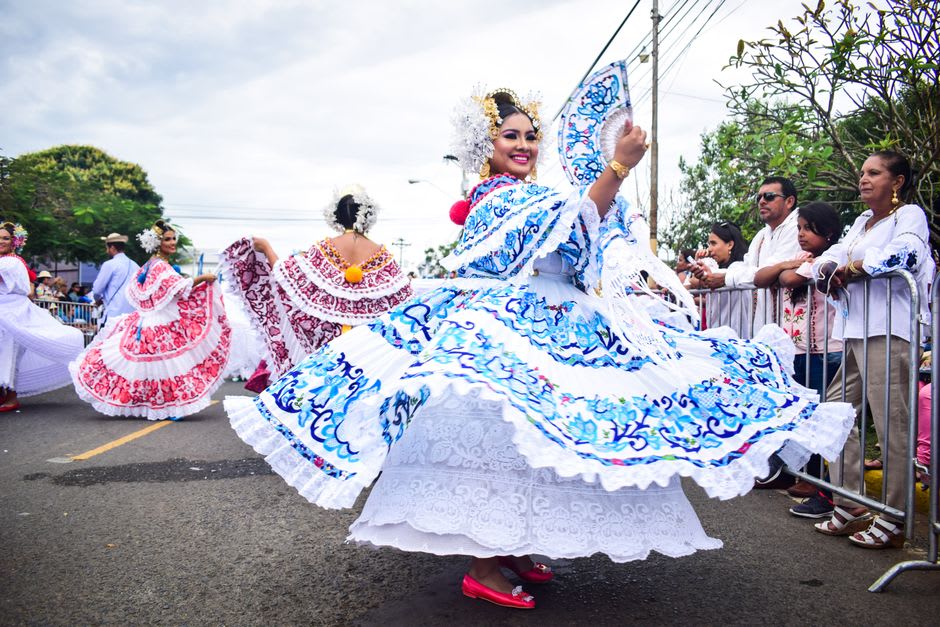
The water trucks — enormous tankers that spray the crowds continuously through the hottest hours of the day, a Carnival tradition specific to this part of Panama — turn the whole event into something closer to a joyful, chaotic water fight layered on top of the formal parades, and I was thoroughly soaked within the first twenty minutes without a shred of regret. Outside Carnival week, Las Tablas settles back into being a quiet Azuero market town, worth a stop mainly for its role as a gateway to the region’s beaches and its handful of workshops still producing polleras and traditional straw hats by hand.
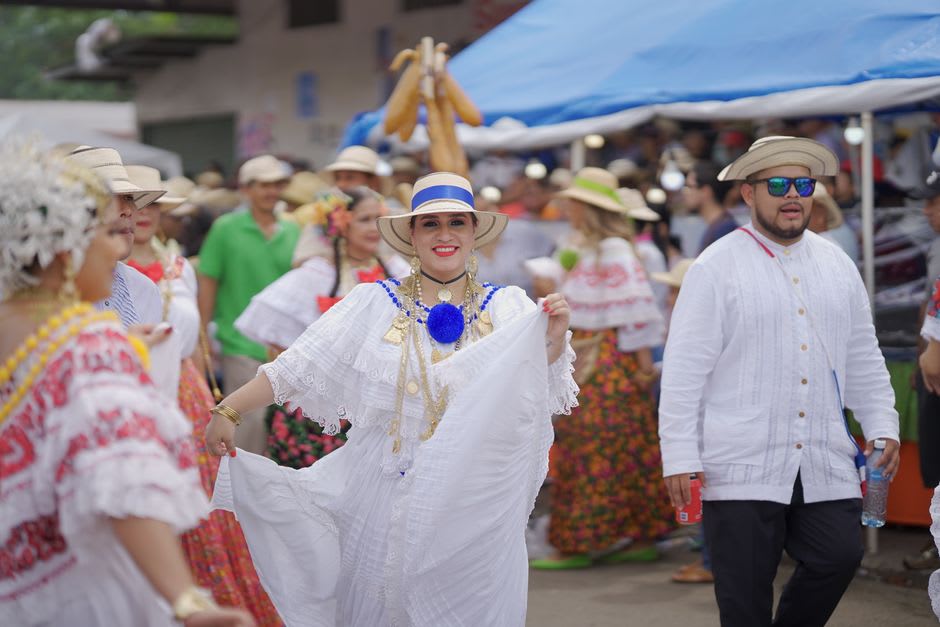
When to go: For Carnival, plan around the four days before Ash Wednesday and book accommodation months ahead — the town’s population multiplies many times over during the festival.
Keep exploring
More from panama
 panama
 Panama City
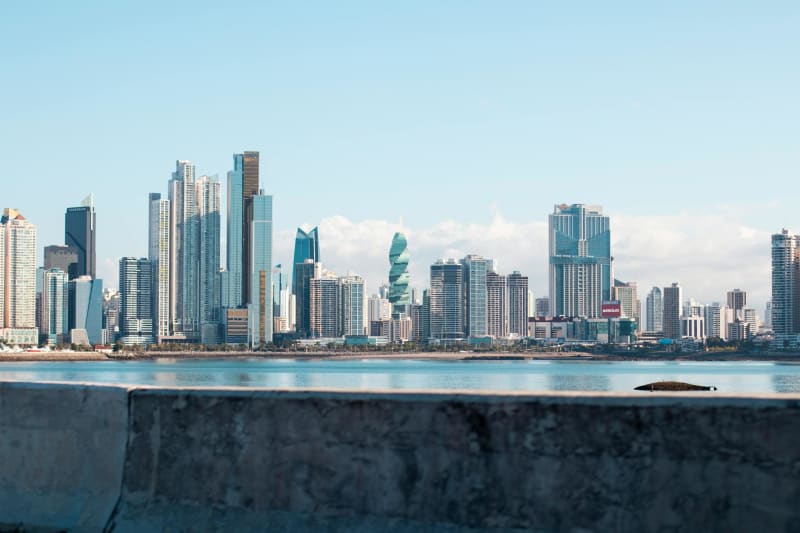
Where the Americas were severed and stitched back together — a city of colonial ruins beside a glittering skyline.
Explore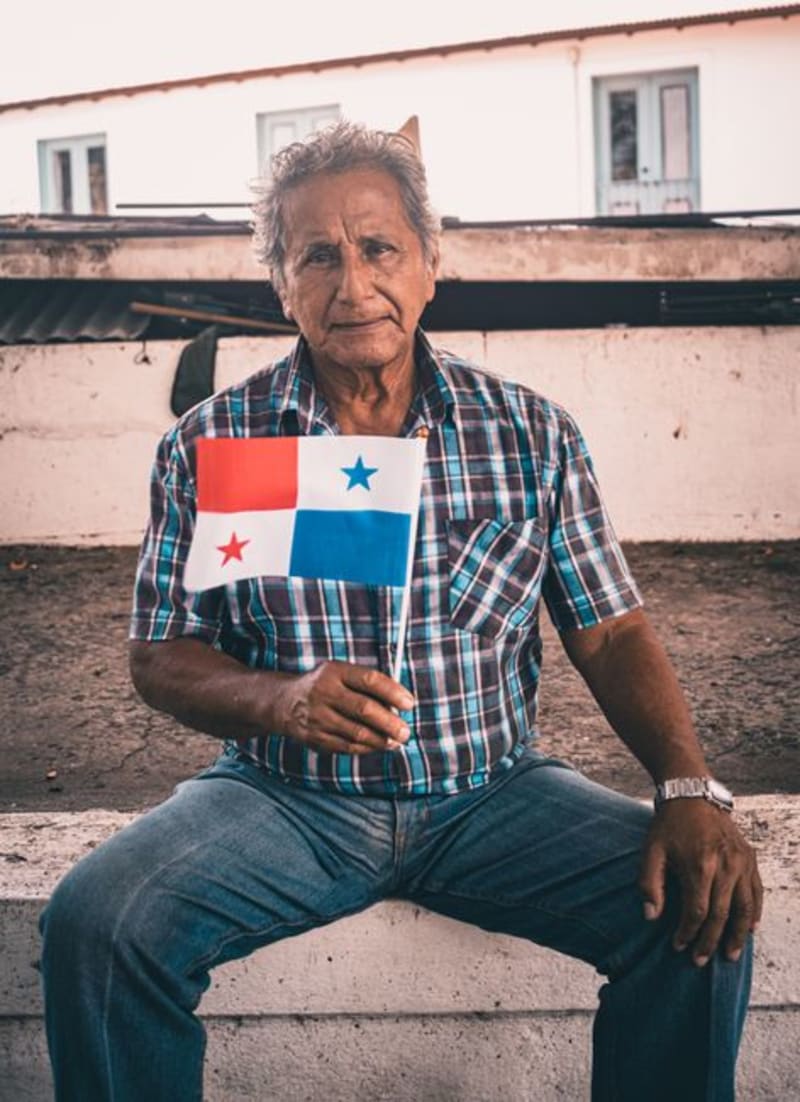 panama
 Pedasí
A onetime fishing village on the tip of the Azuero Peninsula that has quietly become the coast's most relaxed small town without losing its dirt-road soul.
Explore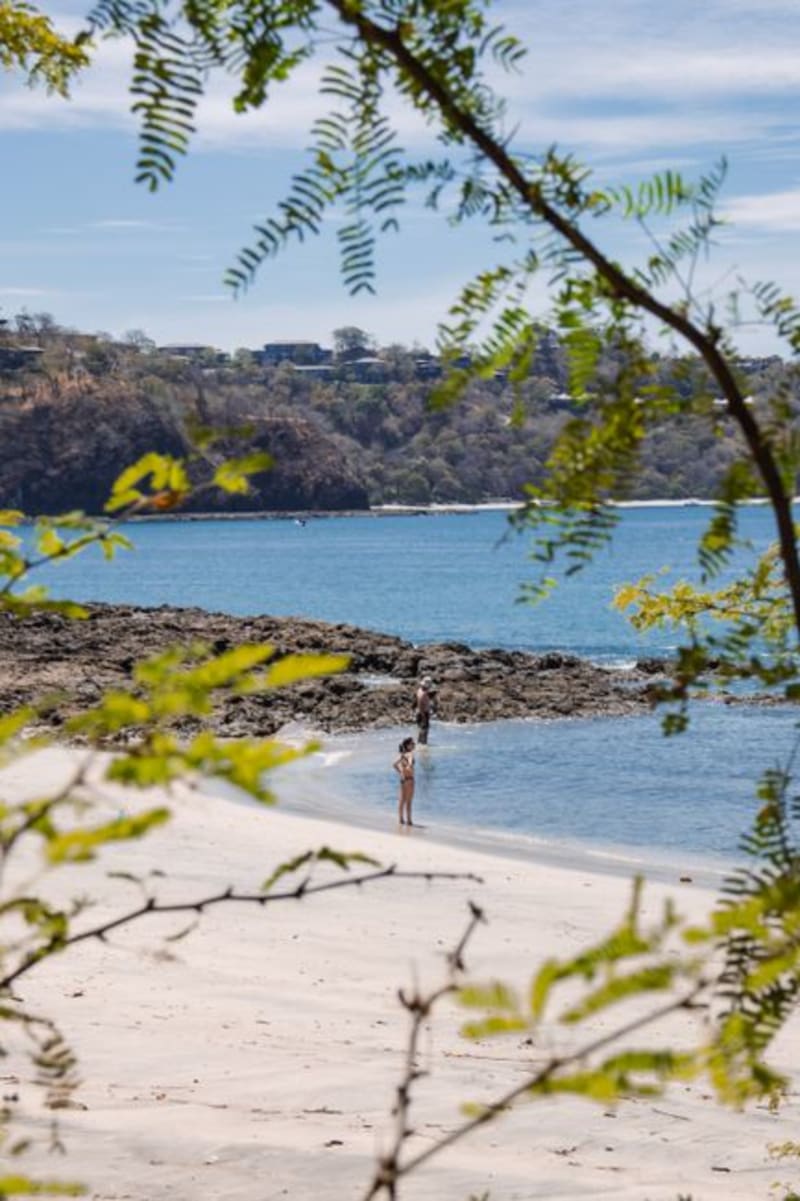 panama
 Playa Venao
A perfect horseshoe bay on the Azuero Peninsula that turned an isolated fishing beach into one of Central America's most talked-about surf towns.
Explore panama
 Portobelo
A crumbling Spanish fortress town on the Caribbean where treasure fleets once loaded silver and pirates came looking for it.
Explore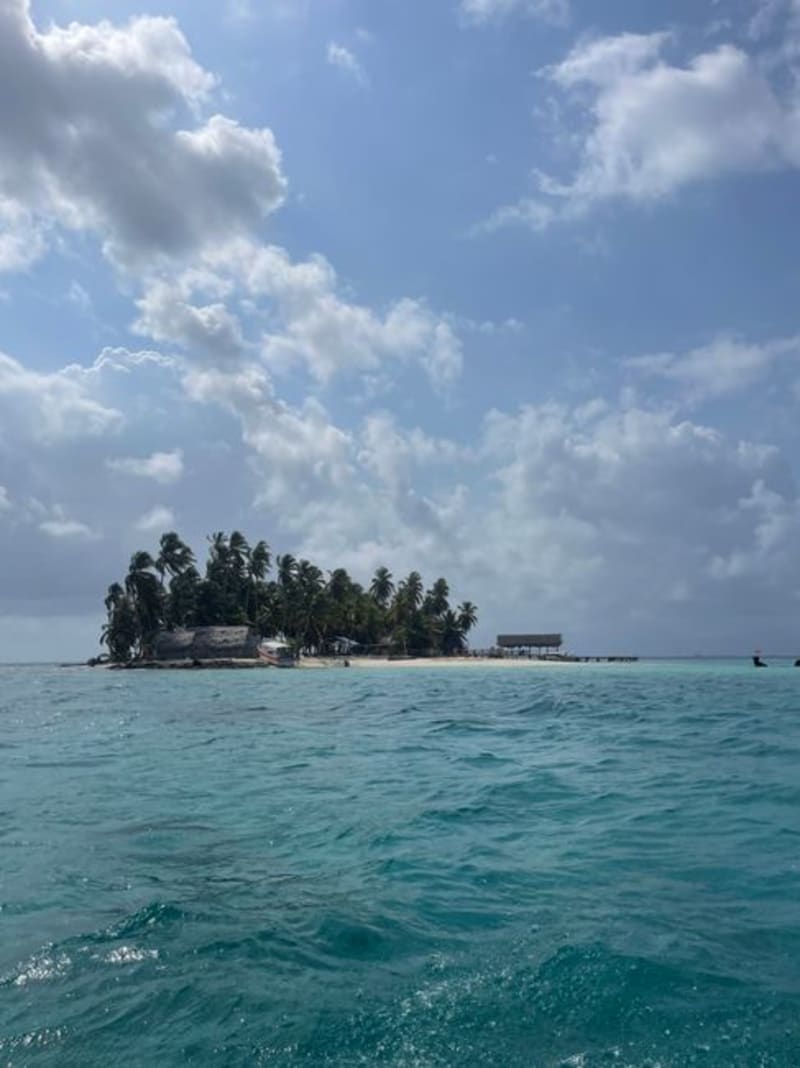 panama
 San Blas Islands
Nearly four hundred palm-covered islets scattered across turquoise Caribbean water, governed not by Panama but by the Guna people themselves.
Explore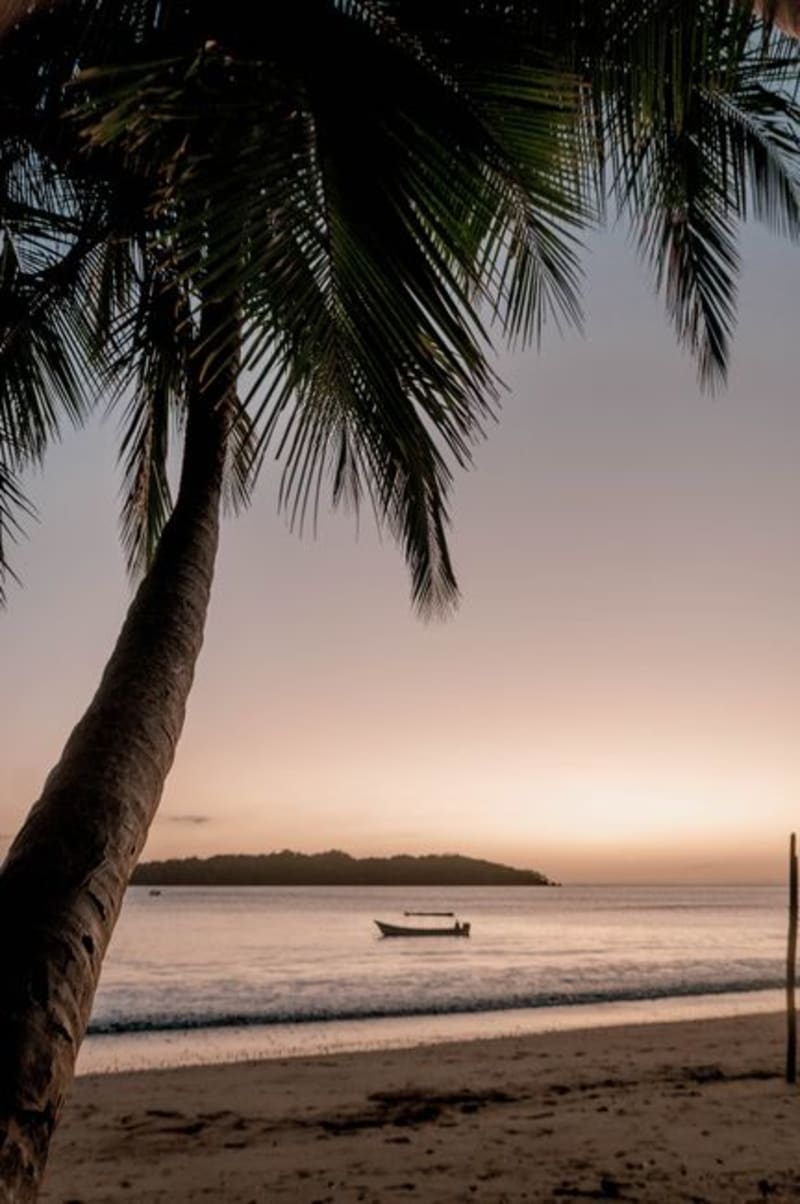 panama
 Santa Catalina
A dirt-road fishing village with one of the best point breaks in Central America and a boat launch that leads straight to Coiba.
Explore