Gatun Lake
"The lake is a flooded forest. The hilltops that stayed above water became the islands."
An artificial sea created to build the canal, now a forested archipelago of drowned hilltops where container ships share water with peacock bass.
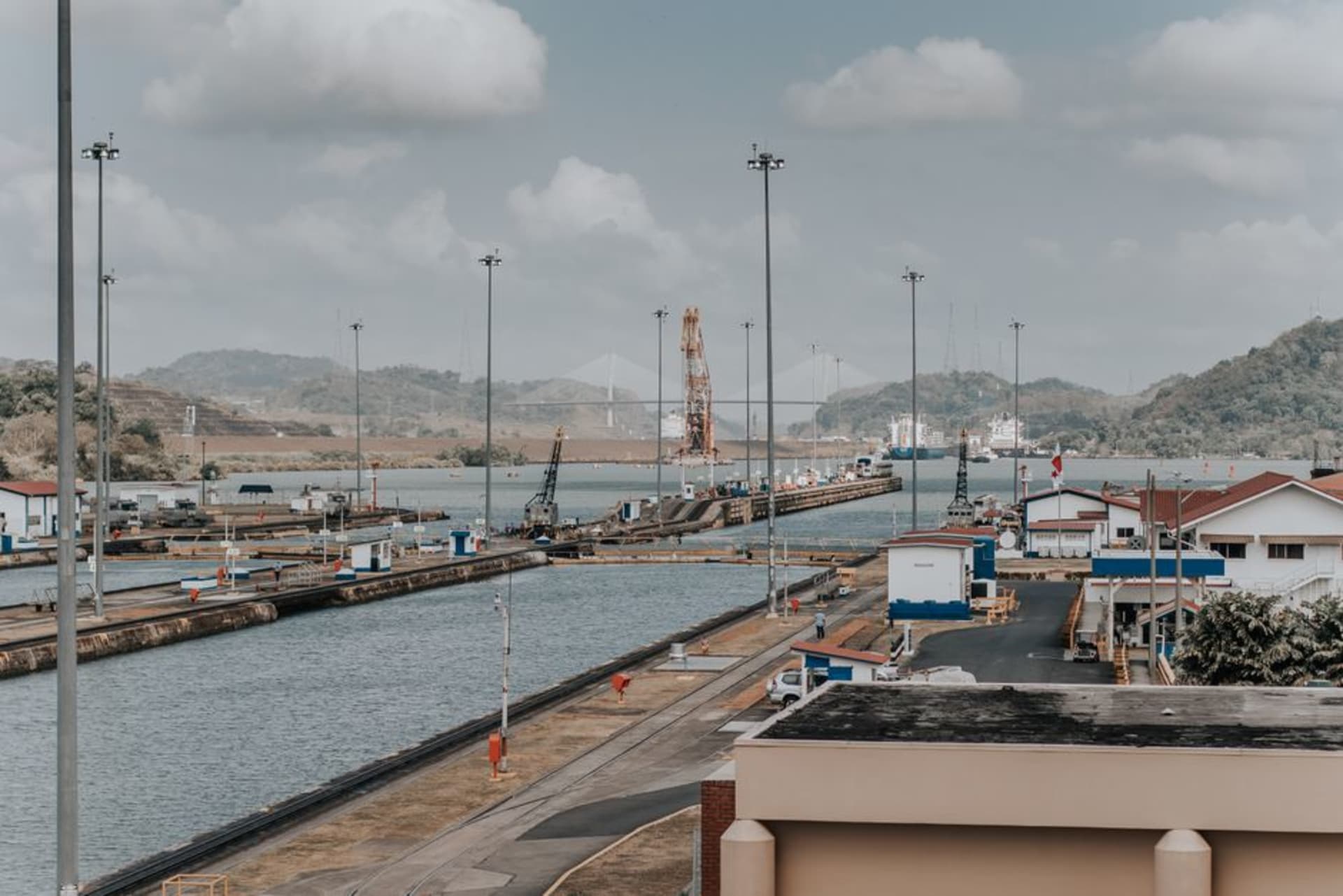
When engineers dammed the Chagres River in 1913 to create Gatun Lake, they weren’t building a scenic attraction — they needed a way to lift ships eighty-five feet above sea level to cross the Panama Canal’s central divide, and the flooding created what was, for a time, the largest artificial lake on earth. What nobody quite planned for was what it would become a century later: a genuinely strange and beautiful body of water, its surface dotted with islands that were once hilltops, now isolated by the water that rose around them, each one its own miniature ecosystem cut off from the mainland.
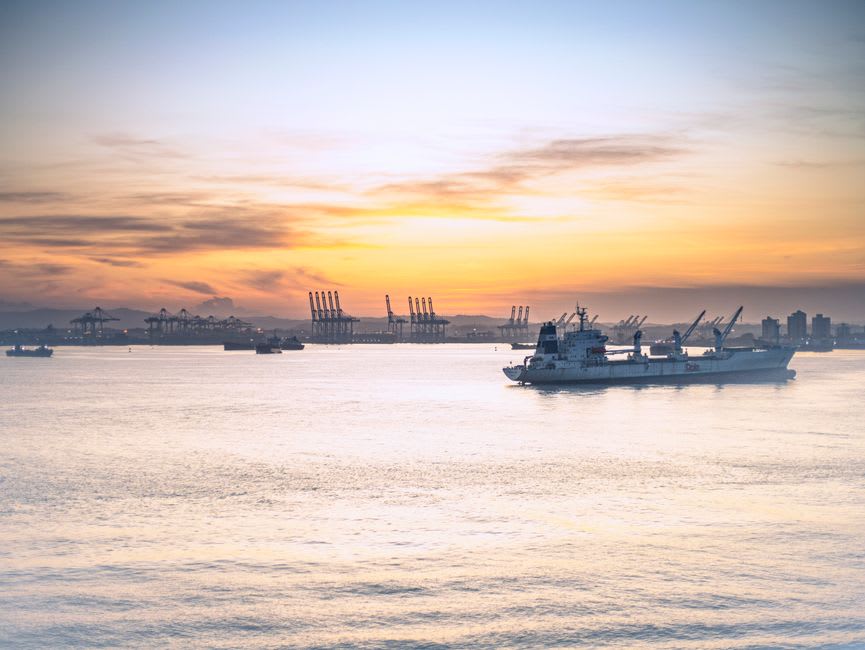
We took a small boat out from the docks near Gamboa, and the scale of coexistence here is what struck me hardest — a Panamax containership moving down the main channel toward the locks, utterly indifferent to us, while fifty meters away a fisherman worked the shoreline for peacock bass, a species introduced from South America in the 1960s that has since become the lake’s dominant game fish and a minor sportfishing industry in its own right. Our guide cut the engine near one of the smaller islands and a family of howler monkeys, cut off from any other troop by the water, watched us with what looked like mild irritation from the canopy above.
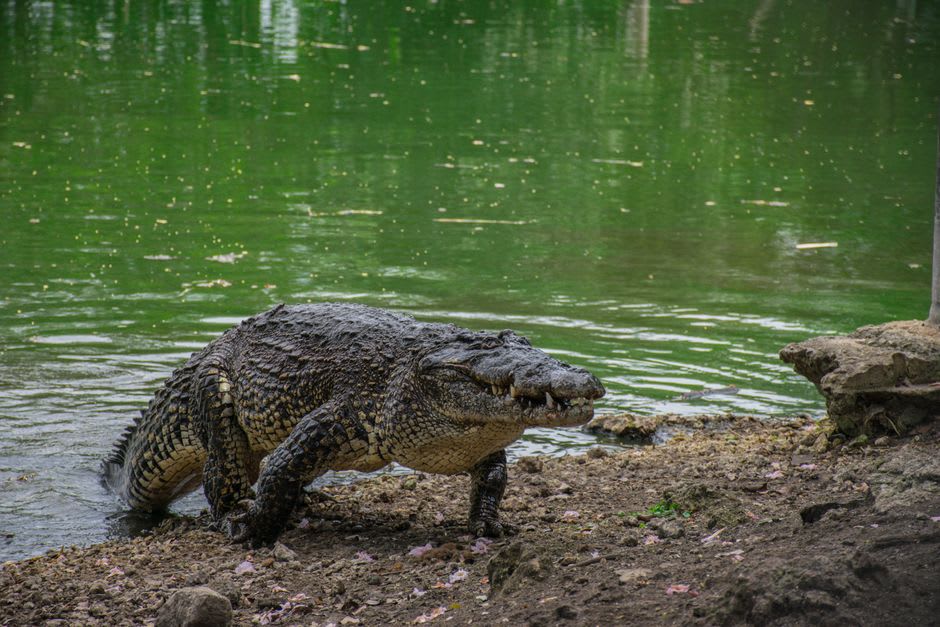
Barro Colorado Island, the largest and most famous of the lake’s islands, houses the Smithsonian Tropical Research Institute’s field station — the oldest tropical forest research site in the world, continuously studied since the 1920s — and access requires a permit arranged well in advance. We didn’t manage to secure one on this trip, and I regret it slightly, though the consolation was watching a crocodile slide off a muddy bank near a much smaller, unnamed island with an unbothered, prehistoric calm that made the whole afternoon feel suspended out of time.
When to go: Year-round for fishing and wildlife boat trips, though the dry season from January to April offers the calmest water and best visibility for spotting animals along the shorelines.