El Valle de Antón
"The whole town sits inside a volcano. Nobody mentioned that until I asked why the mountains formed a perfect ring."
A market town sitting inside the crater of an extinct volcano, cool and green, where golden frogs once sang from every stream.
Nobody told me El Valle de Antón was inside a volcano until I’d already been there two days, at which point I felt slightly foolish for not noticing that the mountains around the town formed an unnervingly perfect ring. It is, in fact, one of the largest inhabited volcanic craters on earth — the caldera collapsed roughly a million years ago, and the fertile soil and cool microclimate it left behind, a full ten degrees cooler than Panama City just ninety minutes down the road, has made it a retreat for the capital’s residents since colonial times.
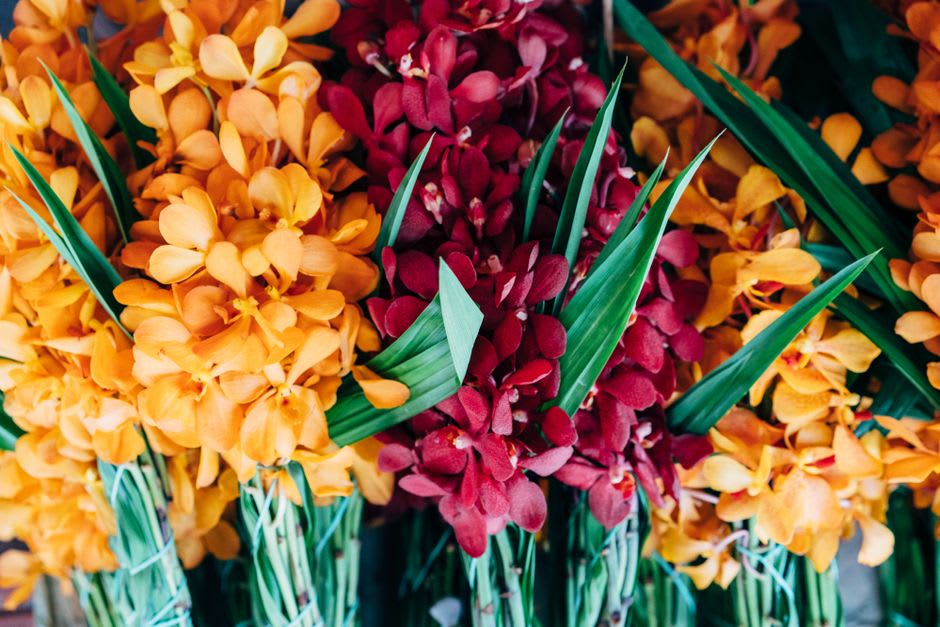
The Sunday market is the reason most people first come, and it deserves the reputation: rows of orchids in every color arranged by farmers who grow them in the surrounding hills, tables of handwoven baskets, tagua nut carvings, and produce piled high enough that the vendors have to keep restacking it as people buy. I bought a bag of tree tomatoes I had never encountered before, tart and strange, and ate them walking through the flower stalls while a marimba group played somewhere out of sight.
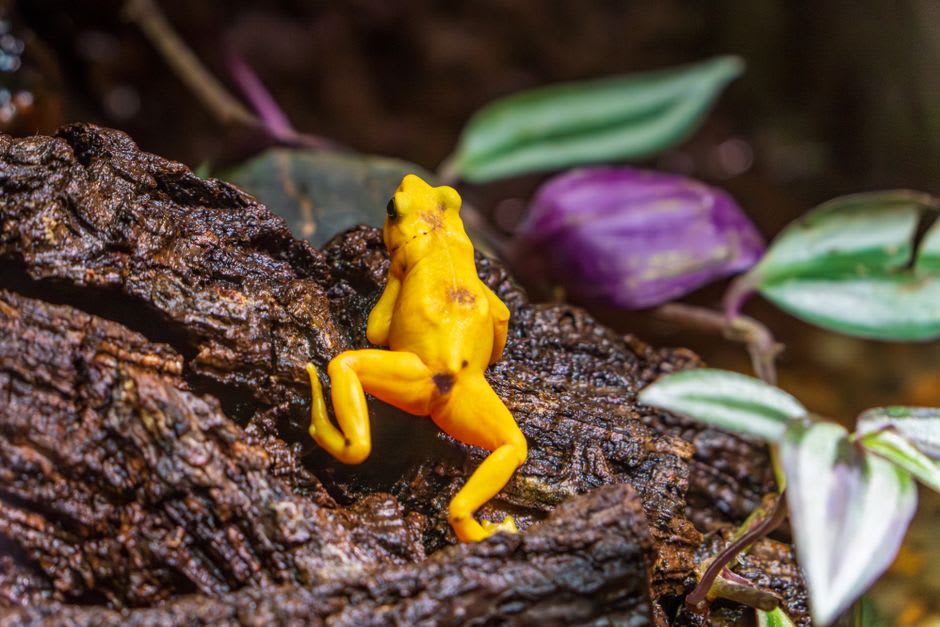
The golden frog is the town’s emblem — it appears on murals, souvenirs, even manhole covers — and its story is a quiet tragedy. The Panamanian golden frog, harlequin-bright and once common in these streams, has been driven to extinction in the wild by the chytrid fungus that has devastated amphibian populations worldwide. A captive breeding center outside town keeps the species alive, and I stood in front of a tank of them feeling a strange mixture of relief and grief — relief that they exist at all, grief that “existing in a tank” is the only option left. Above town, the India Dormida rock formation, said to resemble a sleeping indigenous woman in profile, is a two-hour hike with views back down into the crater floor.
When to go: The dry season, mid-December through April, keeps the hiking trails firm and the mornings clear for the crater-rim views. Weekdays are far quieter than weekends, when the town fills with day-trippers from the capital.
Keep exploring
More from panama
 panama
 Gamboa
A former canal-zone town where the jungle presses right up against the waterway, and howler monkeys outnumber people by a wide margin.
Explore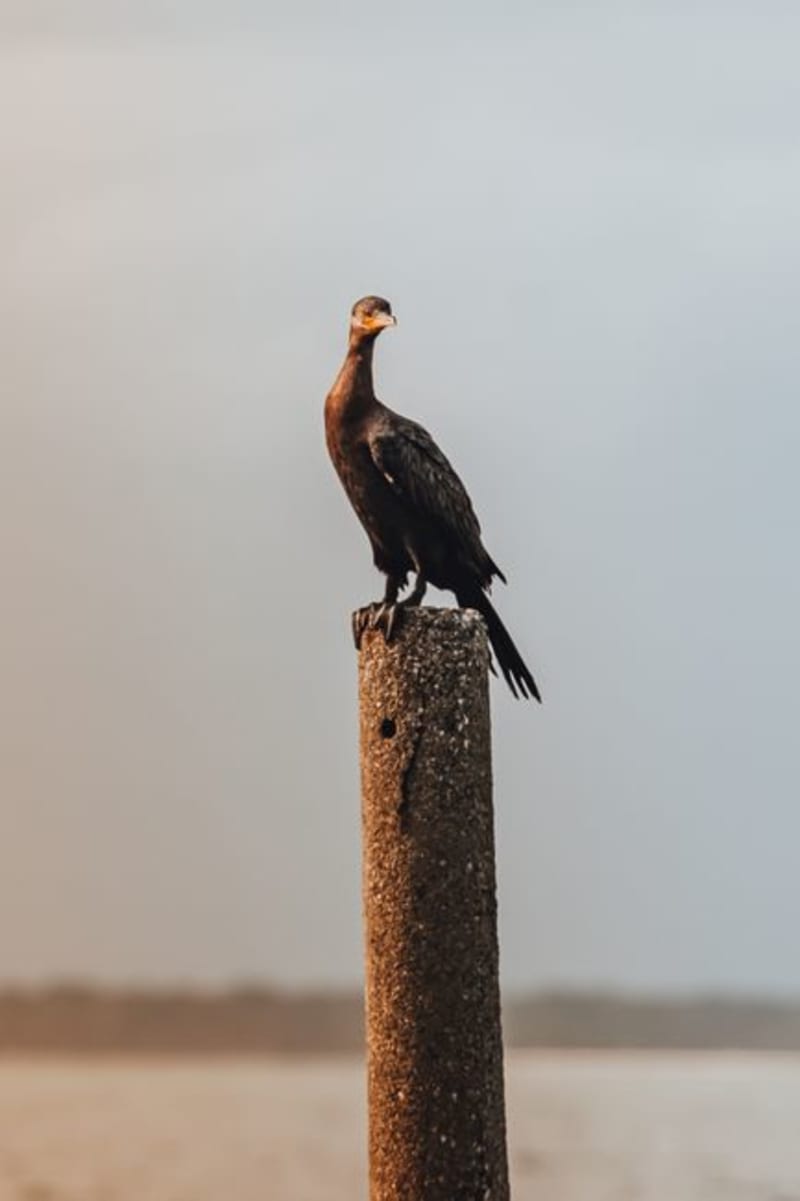 panama
 Gatun Lake
An artificial sea created to build the canal, now a forested archipelago of drowned hilltops where container ships share water with peacock bass.
Explore panama
 Isla Contadora
The largest of the Pearl Islands, a short flight from the capital, with a scattering of private beaches and a past far stranger than its calm suggests.
Explore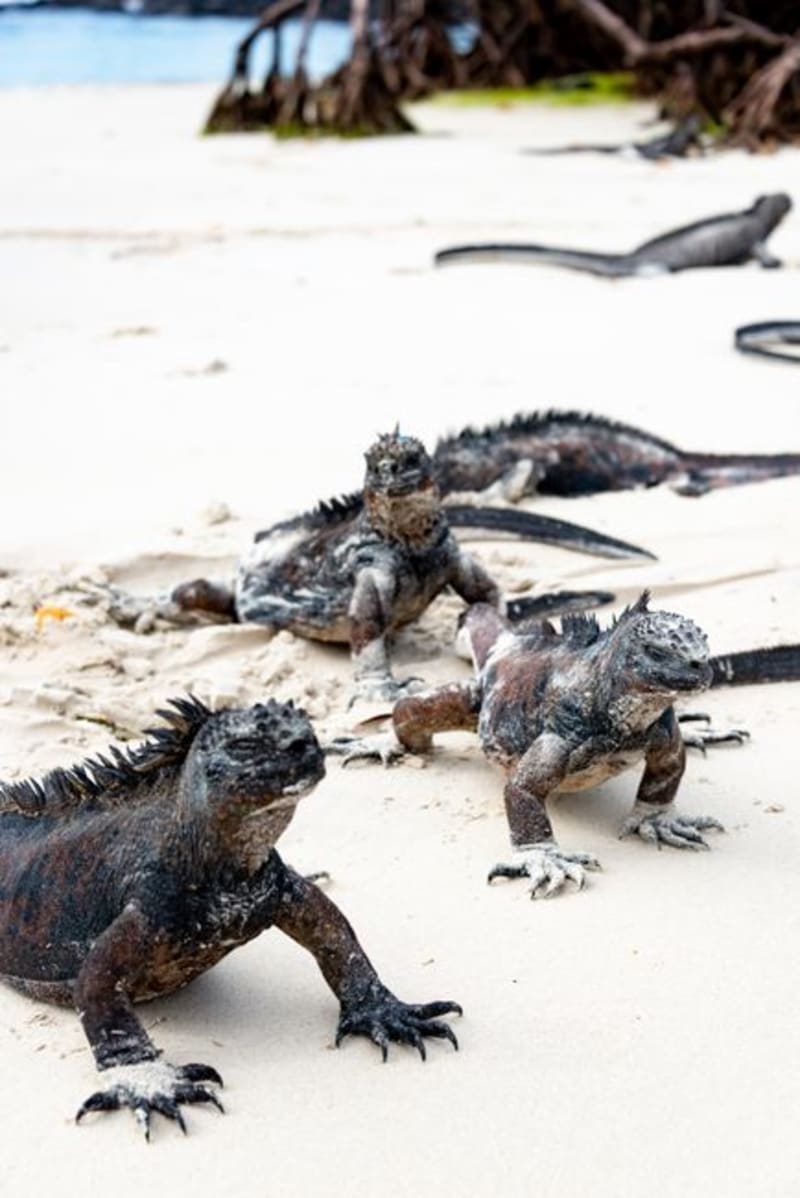 panama
 Isla Iguana
A small wildlife refuge off the Azuero coast where frigatebirds nest by the thousand and a coral reef sits just meters from white sand.
Explore panama
 Isla Taboga
The Island of Flowers, forty minutes by ferry from the capital's skyscrapers, where colonial streets and bougainvillea replace the rush entirely.
Explore panama
 Las Tablas
The Azuero town that holds Panama's most fiercely competitive Carnival, where two rival neighborhoods have been out-dancing each other for generations.
Explore