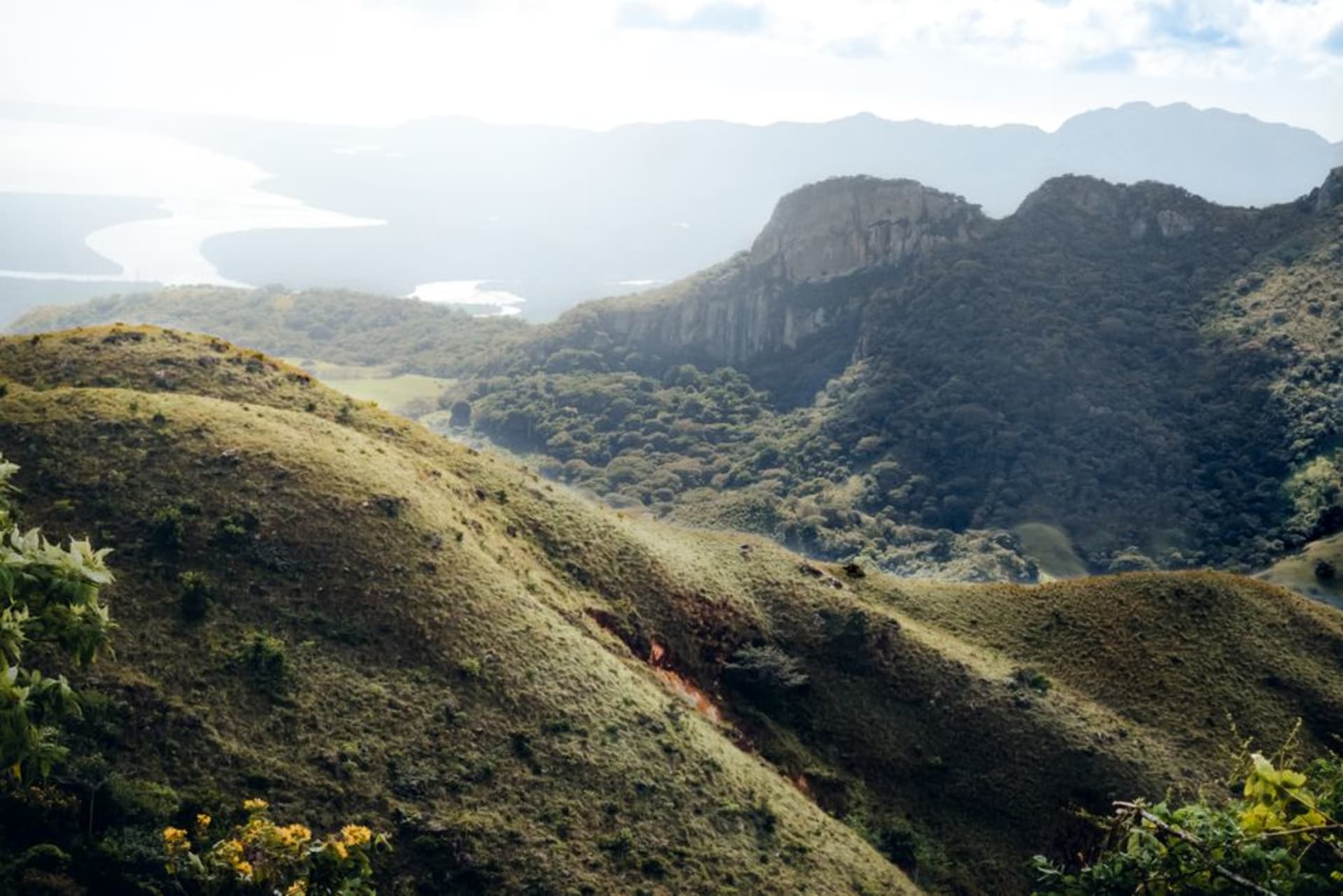
Coiba National Park
"Coiba stayed wild because it used to be a prison. That's a strange kind of luck."
A former penal colony turned UNESCO wilderness, where isolation kept the sharks, whales, and forests intact while the mainland changed around them.
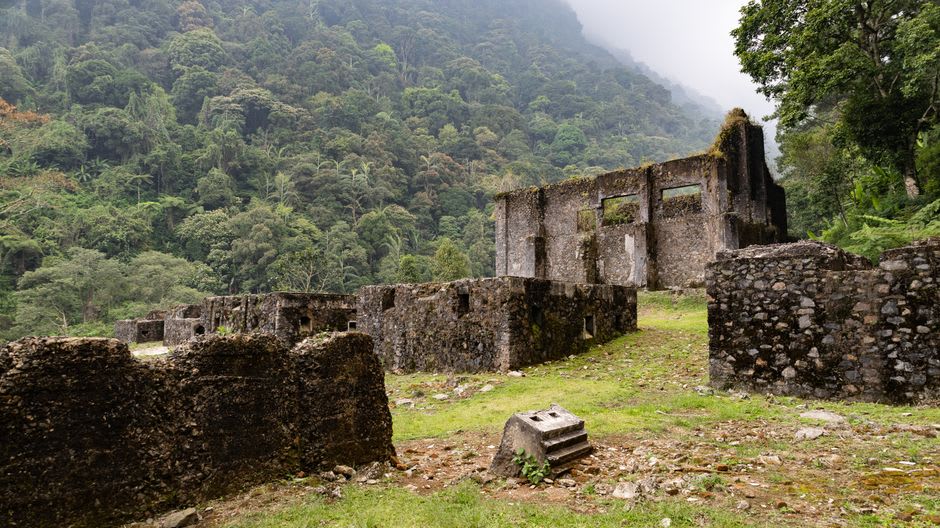
Coiba is wild for the worst possible reason and I have made a kind of peace with that. From 1919 until 2004, the island held one of Panama’s most notorious penal colonies, and the fact that it was a place people were sent to disappear meant almost nobody came here to develop it. Boat access is restricted, ranger stations monitor visitor numbers, and the interior — nearly the size of Singapore — remains one of the last substantial tracts of untouched tropical forest on Central America’s Pacific coast. UNESCO recognized it for exactly this reason in 2005. It is the accidental wilderness, preserved by neglect and then, mercifully, by law.
We took the boat out from Santa Catalina, ninety minutes across open water that turned from grey-green to an almost aggressive turquoise as we approached the island’s fringing reef. The diving here has a reputation among people who take diving seriously, and I understood why within the first ten minutes underwater: whitetip reef sharks moving in loose formations below us, schools of jack so dense they blocked the sun overhead, and — on a lucky pass near Coibita, the smaller satellite island — a whale shark, unhurried and enormous, that our guide nearly wept describing afterward.
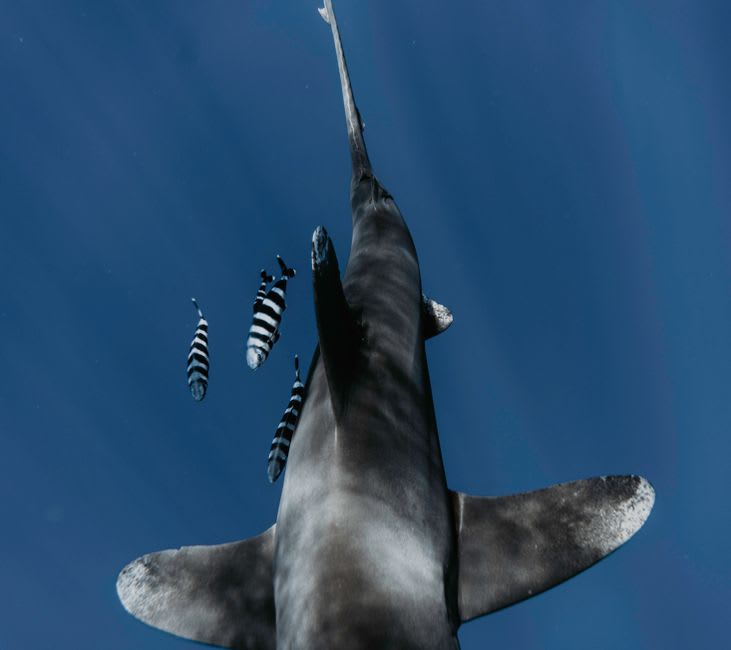
Between July and October, humpback whales migrate through these waters from both hemispheres to breed, which means Coiba is one of the vanishingly few places on earth visited by two separate whale populations in the same season. We didn’t see one breach, but we heard one — a deep percussive slap against the hull-quiet of the boat that made the whole crew go silent at once. On land, the old prison buildings still stand near the ranger station, crumbling and reclaimed by vines, a genuinely eerie contrast to the postcard water surrounding them.
When to go: July through October for the whale migration and calmer seas; the dry season from January through April gives the clearest water for diving and snorkeling.