Cerro Punta
"Boquete gets the coffee tourists. Cerro Punta just quietly grows the vegetables that feed the country."
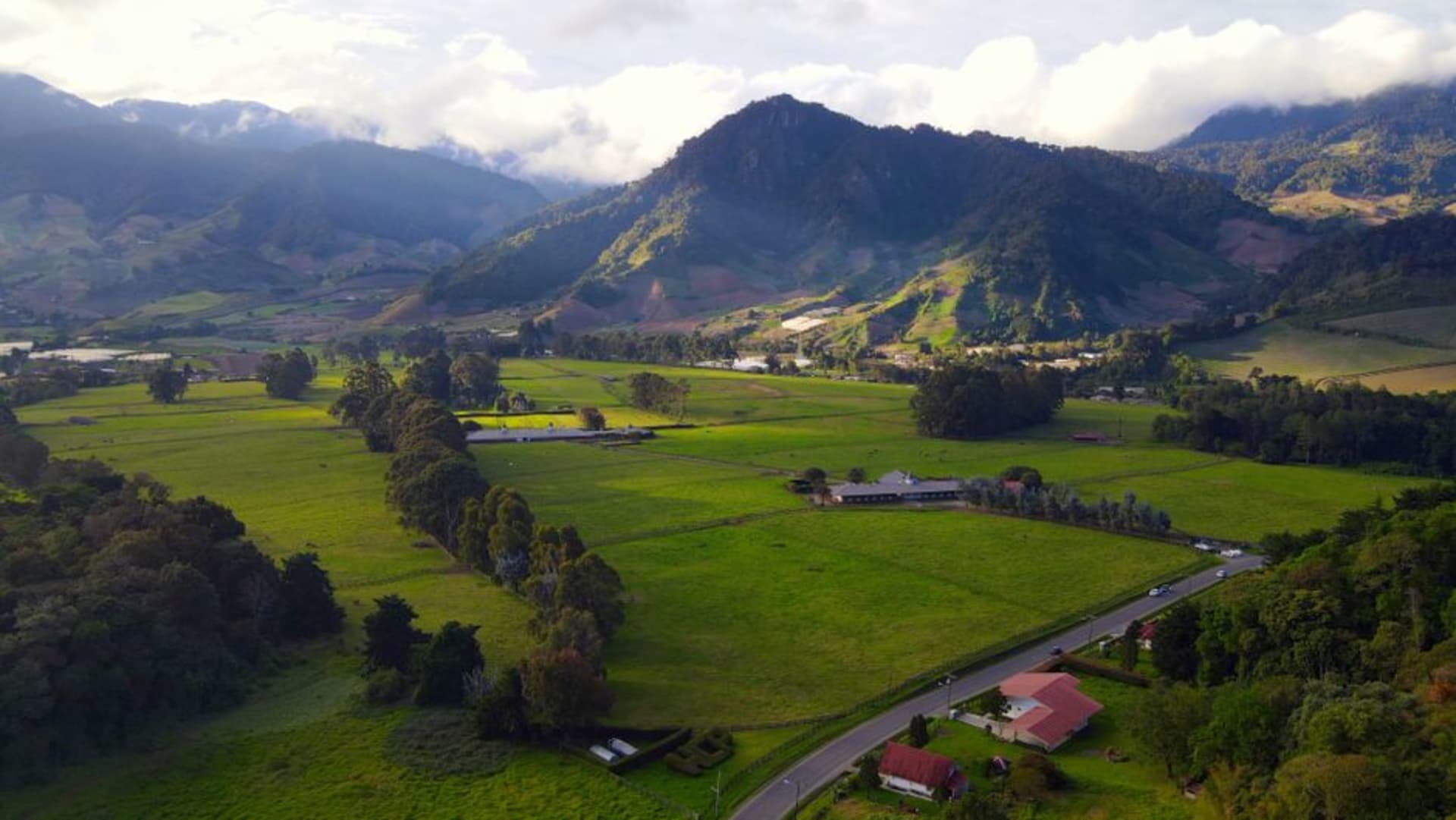
Panama's highest agricultural valley, cold enough for strawberries and quiet enough that the cloud forest of La Amistad starts right at the fence line.
Cerro Punta sits higher than Boquete, on the opposite flank of Volcán Barú, and the difference in temperature is immediate — I got off the bus from David wearing the same clothes I’d had on at sea level and was cold within minutes. At around 1,800 metres, this is the highest permanently inhabited valley in Panama, and the volcanic soil combined with the chill produces something genuinely unusual for the tropics: entire hillsides terraced with strawberries, potatoes, onions, and lettuce, feeding much of the country’s produce market. Trucks loaded absurdly high with cabbages passed us on the narrow road in, drivers leaning on the horn at every blind curve.
What Cerro Punta doesn’t have is Boquete’s café culture and boutique lodges — it has, instead, a much rawer relationship with the mountains, because it sits directly against the boundary of Parque Internacional La Amistad, a vast cross-border reserve shared with Costa Rica and one of the most biodiverse protected areas in Central America. We hired a local guide to walk us into the park through Las Nubes station, and within twenty minutes the farmland gave way entirely to cloud forest — moss so thick it swallowed sound, bromeliads stacked in every tree fork, and a resplendent quetzal that our guide spotted purely by ear before any of us saw a flash of green.
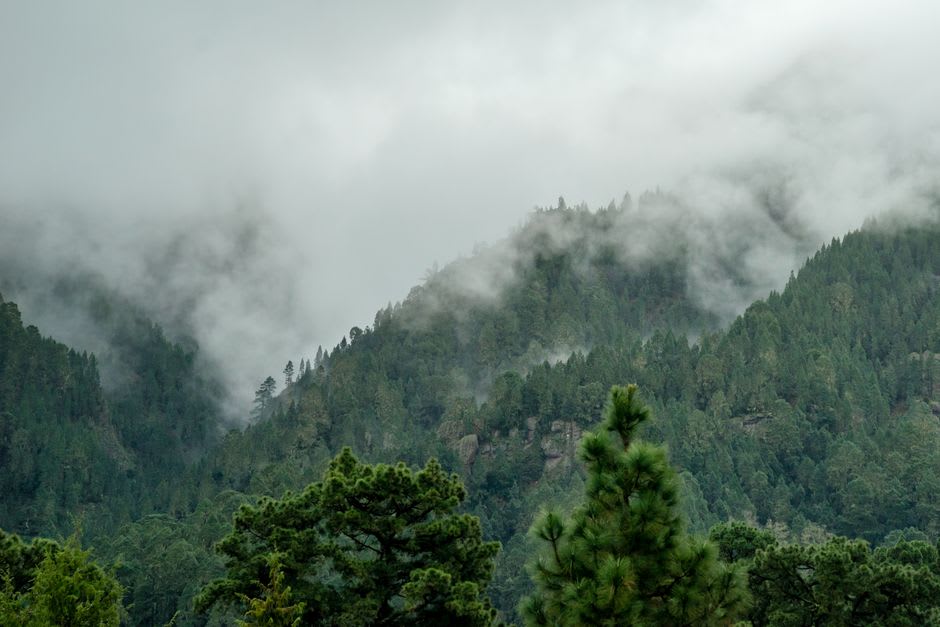
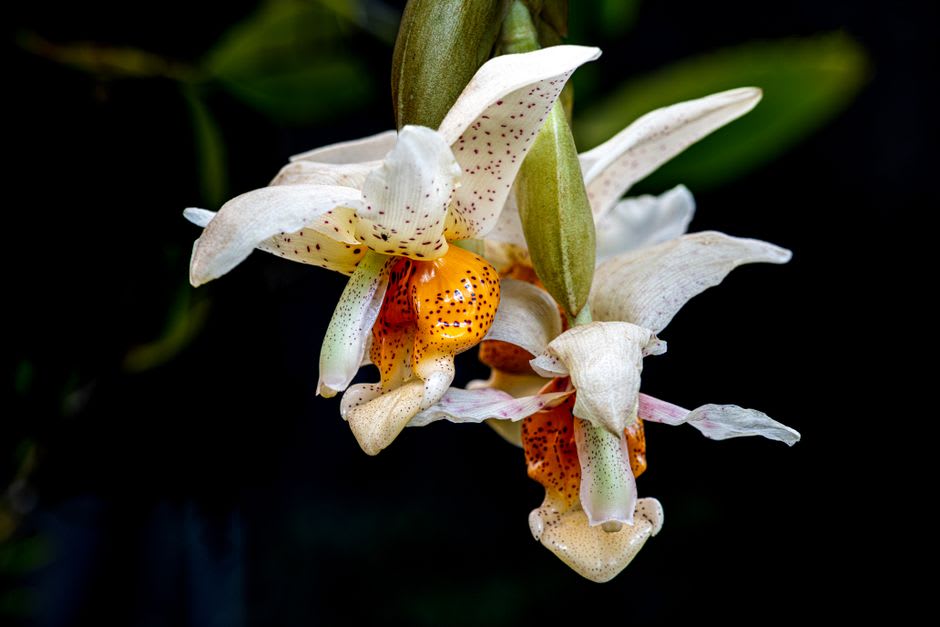
The Sendero Los Quetzales trail connects Cerro Punta to Boquete on the other side of the volcano, a demanding day-long hike through some of the most pristine forest left on either slope, and locals told me it used to be far more popular before landslides closed sections of it periodically. We didn’t attempt the full crossing, settling instead for a shorter loop near Finca Dracula, an orchid farm holding one of the largest private collections in the world, thousands of specimens grown in the exact cool, misty conditions that make this valley what it is.
When to go: December through April for drier trails and clearer mountain views. Bring a real jacket regardless of season — the altitude here is unforgiving after dark, even in the tropics.