A highland coffee town beneath Volcán Barú where the air smells of arabica and quetzals still fly free.
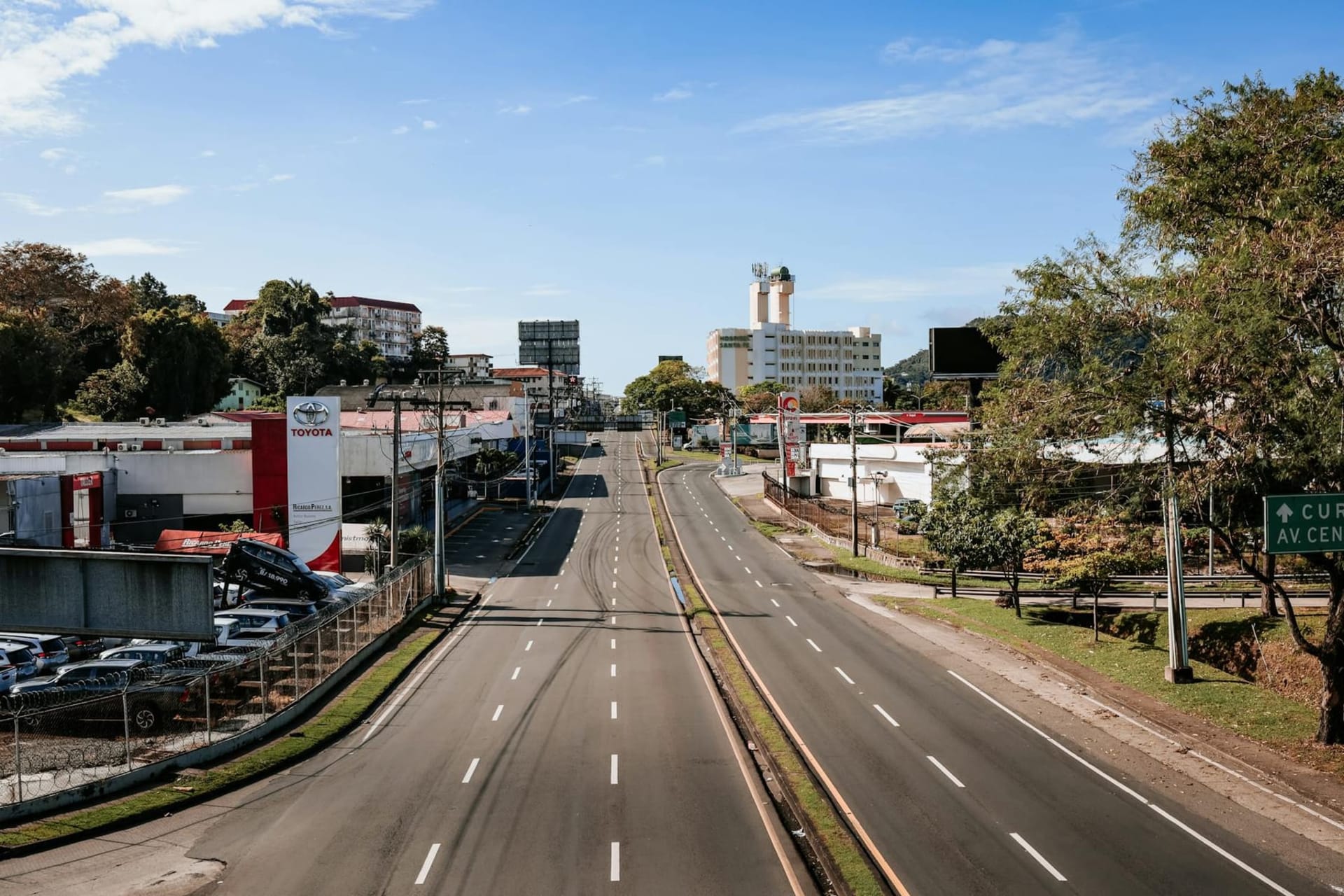
There is a particular quality to highland air that I have never been able to adequately describe to anyone who hasn’t stood in it. In Boquete, it arrives at roughly 1,200 metres — cool and damp and carrying the faint green smell of wet soil and something roasted, always something roasted, drifting down from the processing mills on the ridgeline above Avenida Central.
The Town Below the Volcano
Volcán Barú doesn’t announce itself immediately. The clouds are usually too low. But you feel its mass in the way the town tilts — every street angled slightly upward, every drainage channel running fast after the afternoon rains the locals call the bajareque, that peculiar mist-rain that isn’t quite either. I walked Calle 5 Sur on the morning we arrived and found the market women already arranged behind pyramids of strawberries and locally grown lettuce, something I hadn’t expected this far into Central America. Boquete sits in the Chiriquí Highlands, and the elevation produces vegetables that have no business existing at this latitude. Lia bought a bag of mandarin oranges so sweet she stopped walking to finish three of them on the spot.
Coffee at the Source
The coffee situation here borders on unfair to everywhere else. The Gesha variety — originally from Ethiopia, naturalized on these slopes — is treated with the reverence of a controlled appellation. At Café Ruiz on the main road, I ordered a single-origin pourover from their estate and watched the barista’s hands with the attention I usually reserve for good cooking. The cup arrived tasting of bergamot and ripe nectarine. I drank it slowly, standing at the counter, not wanting to dilute the experience with conversation.
What genuinely surprised me was discovering the Pianista Trail on our second morning — not on any itinerary, suggested offhand by the woman who ran our guesthouse on Jaramillo Road. It cuts through cloud forest dense enough to muffle sound, past orchid species I couldn’t name, and if the timing is right and you are very still, resplendent quetzals move through the canopy like small, implausible fires. We stood motionless for twenty minutes. We saw one. It was enough.
Staying and Eating
For dinner, the caldillo de res at a small comedor near the central plaza — a broth-heavy beef stew with root vegetables that arrives in a clay pot — is the honest local meal, the one that isn’t on any tourism board pamphlet. It costs almost nothing. It tastes like somewhere real.
When to go: The dry season runs December through April, when skies clear enough to attempt the summit hike to Barú. The bajareque rains of the green season (May–November) keep the cloud forest lush and the crowds thin — a reasonable trade.