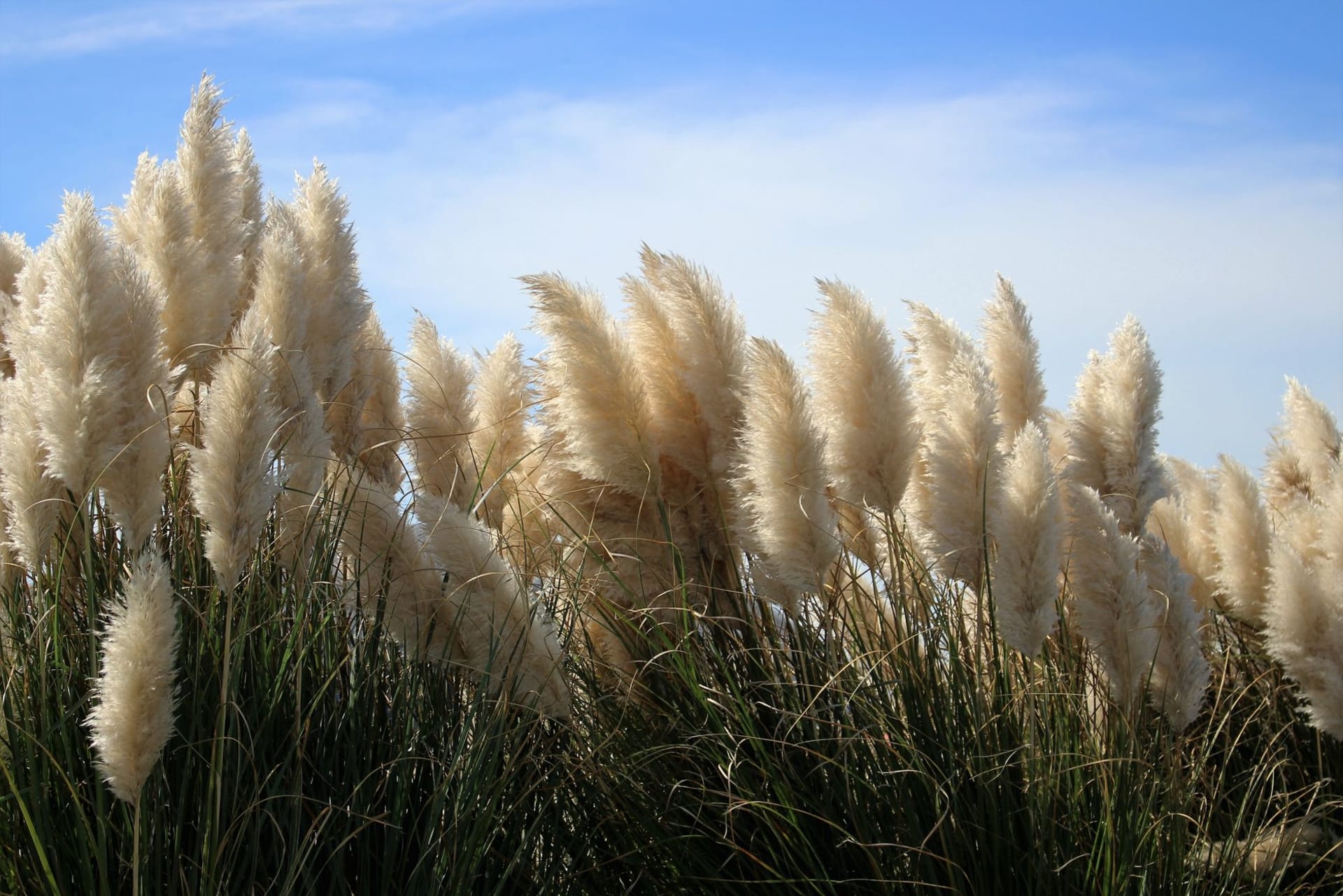
Bahía Blanca is a city that knows it is not on the tourist itinerary, and this knowledge has produced a relaxed, slightly amused quality in the way it receives visitors. The port city of 350,000 sits at the southern end of the Buenos Aires province, at the point where the pampas runs into the estuary of the Bahía Blanca and the Patagonian wind begins to make itself felt in earnest. I arrived in July, which was perhaps not ideal — the wind was something you had to walk into deliberately, leaning at about fifteen degrees — but the city was alive in a way that had nothing to do with tourism and everything to do with a place that has its own sufficient reasons for existing.
The centro is handsome in the way Argentine provincial cities often are when they were built during the same wave of optimistic European immigration in the late nineteenth century: wide boulevards, a big teatro municipal, a municipal library in a neoclassical building that has seen better days but still cares. The Plaza Rivadavia is the city’s heart, and on the weekday mornings it operates as a genuine public square: shoeshiners, newspaper sellers, pensioners on benches, pigeons, a few students eating facturas on the steps of the fountain. The Teatro Municipal, built in 1913, has a beautiful interior that anyone can walk into during rehearsal hours and look at.
The Museo del Puerto, in the old port district of Ingeniero White about fifteen minutes from the center, is the kind of place that defines a city more accurately than its monuments. It occupies several rooms in a disused customs building, run largely by volunteers and local historians, and it tells the story of the immigrant communities that built the port — Italians, Spaniards, Basques, Greeks — through photographs, oral histories, and objects that the families themselves donated. There is a recreated old almacén de ramos generales in the basement, complete with the original shelving and the actual stocks of pasta and preserved goods that were sold there in the 1940s. A woman from the neighborhood told me her grandfather’s shop had donated the stock. I believed her. The whole place has that texture.
The food culture here is specific to the port city tradition — the peperoncino pasta that the Genoese workers brought, the bocadillos de chorizo that the Spanish workers ate, and above all the milanesa sandwich, which Bahía Blanca takes with a seriousness approaching doctrine. There are entire restaurants dedicated to it: slabs of breaded beef, a crusty roll, a smear of salsa golf, maybe a slice of cheese melted on top, eaten standing at a counter while the wind rattles the awning outside. I ate one every day I was there. I did not once feel I was repeating myself.
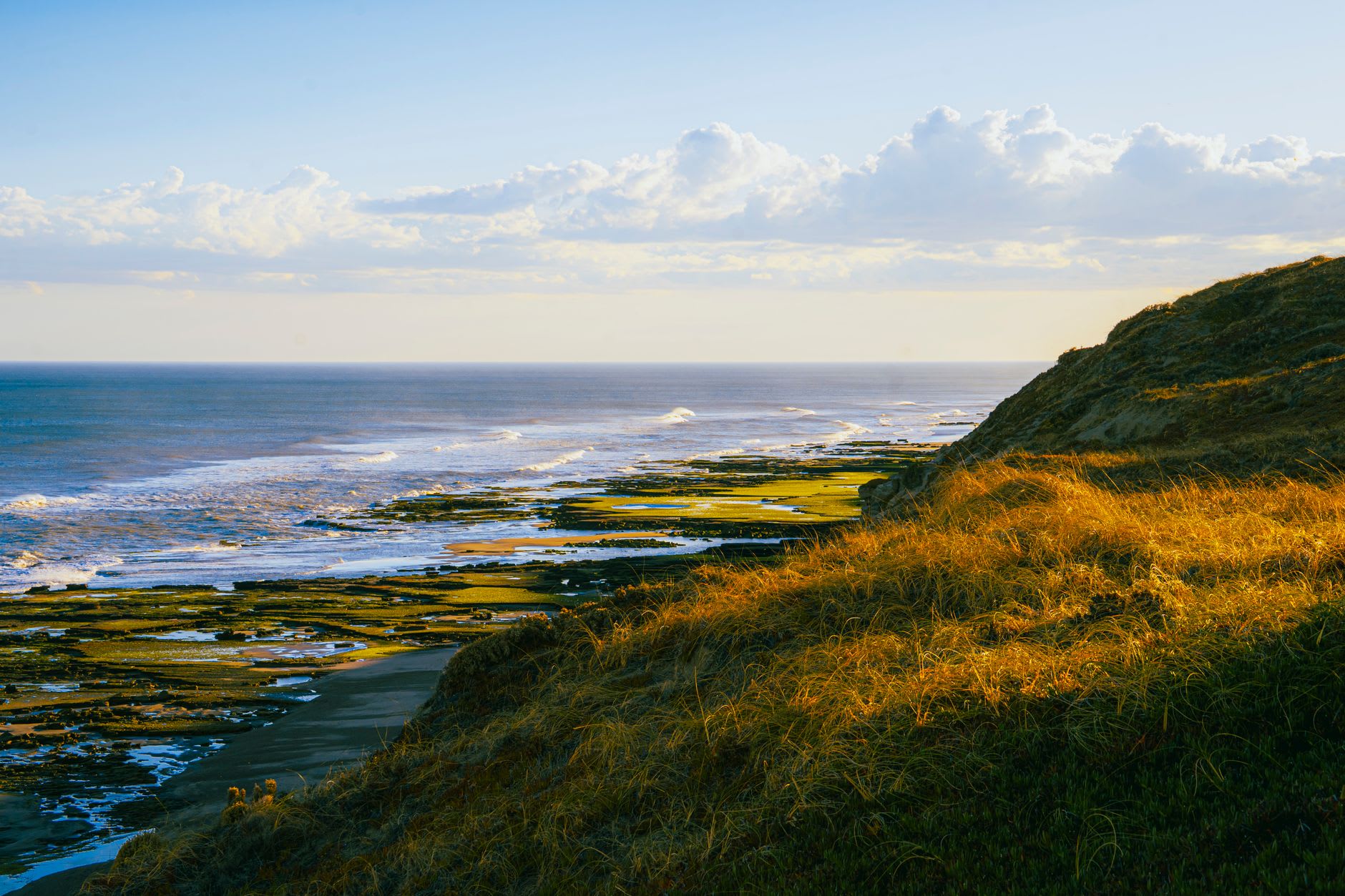
The estuary itself — the Bahía — is not a beach in any conventional sense. It is estuarial, mudflat-fringed, and at low tide the shorebirds descend in their hundreds: spoonbills, herons, black-necked stilts wading in the channels, and at certain seasons the migrating shorebirds from the Patagonian coast that stop here to feed. The Puerto Cuatreros wetland reserve, accessible by car from the city, holds enough birdlife to keep a serious observer busy for a full day. The light in the late afternoon over those mudflats, with the cranes and silos of the industrial port visible on the horizon behind the herons, is one of the stranger and more beautiful things the southern pampas offers.
When to go: Spring (September to November) and autumn (March to May) are the reasonable windows — the wind is always present but less punishing, and temperatures sit in the pleasant twenties Celsius. The Fiesta del Puerto in February is Ingeniero White’s community festival, a neighborhood party that gives an accurate portrait of working-class Bahía Blanca culture. July works if you don’t mind wind and wool.