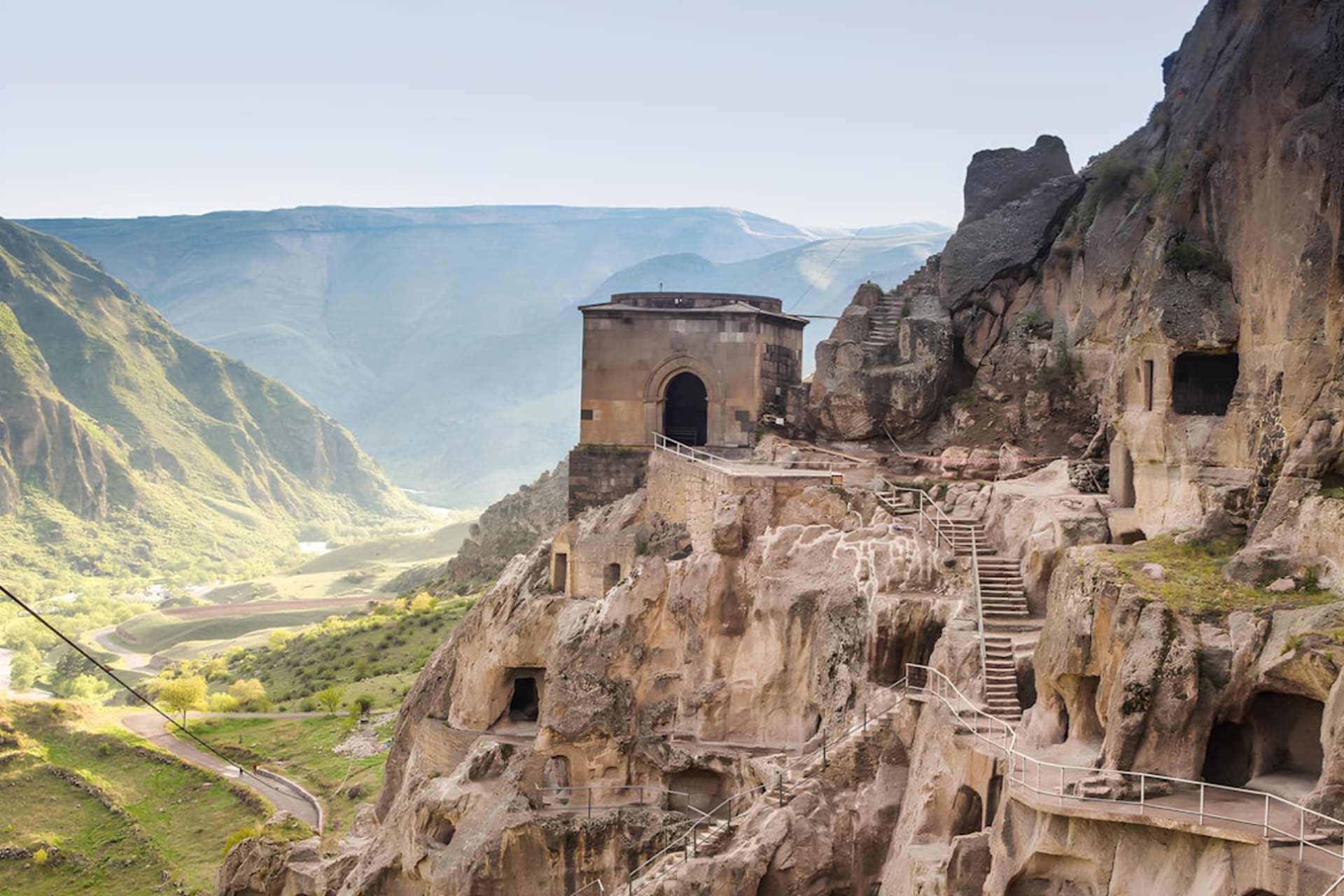
A man-made volcano-shaped mountain outside Bethlehem where Herod the Great built a fortress-palace and, according to Josephus, was buried inside it.
You see Herodium from a long way off, which is exactly the point. It doesn’t look like a natural hill — it looks too symmetrical, too deliberately conical, and once someone tells you that Herod the Great had an existing hill artificially heightened with the excavated fill from his own palace construction just so his fortress would dominate the horizon in every direction, you can’t unsee it. I drove out from Bethlehem on a taxi share with a driver who kept saying “crazy king, crazy king” every few minutes, shaking his head with something between admiration and contempt, and by the time we reached the base I understood the sentiment completely.
The climb up is short but steep, cut through the artificial slope in a switchback path, and at the top the fortress opens up as a nearly perfect circle of walls and towers enclosing a sunken palace courtyard, half-collapsed but still legible as luxury — the outline of a bathhouse, the curve of what was once a colonnaded garden, storage rooms cut into the hillside that kept the whole complex functioning as a self-sufficient stronghold. Herod built this as insurance against his own unpopularity, a place to retreat to if Jerusalem turned against him, and archaeologists in 2007 found what is now widely accepted as his tomb on the slope below the fortress — a mausoleum smashed deliberately, probably by Jewish rebels during the revolt a few decades after his death, who apparently hated him enough to desecrate his grave rather than simply ignore it.
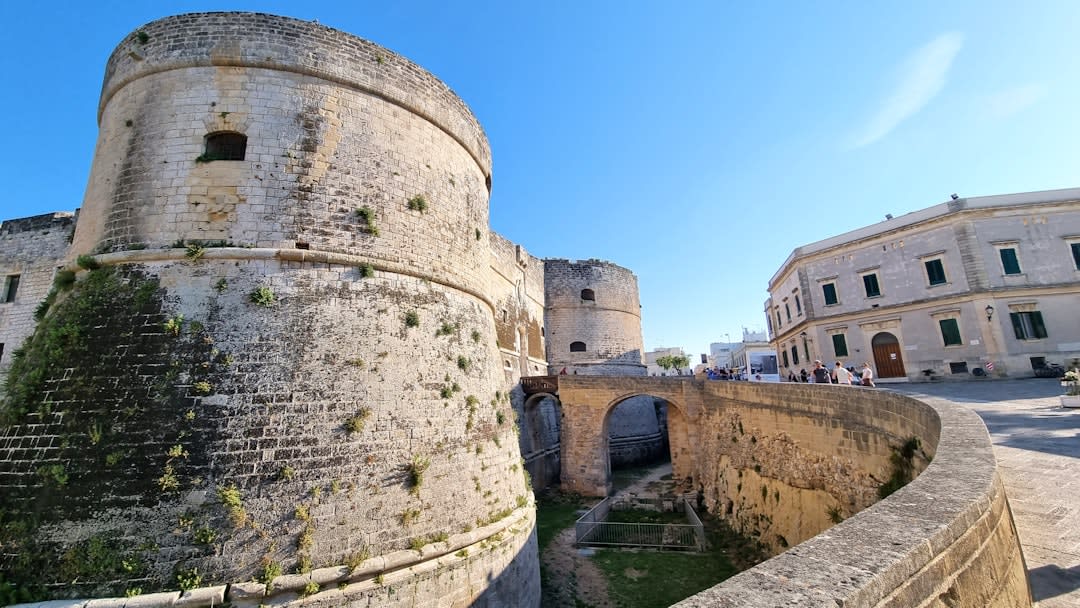
What struck me most was the view from the ramparts, which is unbroken 360 degrees across the Judean Desert — pale, folded, nearly lunar hills falling away toward the Dead Sea, and Bethlehem and the edges of Jerusalem visible in the other direction on a clear day. I sat on a broken section of wall eating an orange I’d brought with me and understood, in a way that reading about it never quite achieves, why a paranoid, brilliant, murderous king would have chosen this exact spot to be seen from and to watch from. It is a monument to control built by a man who never really had it, not over his own family, not over his own legacy.
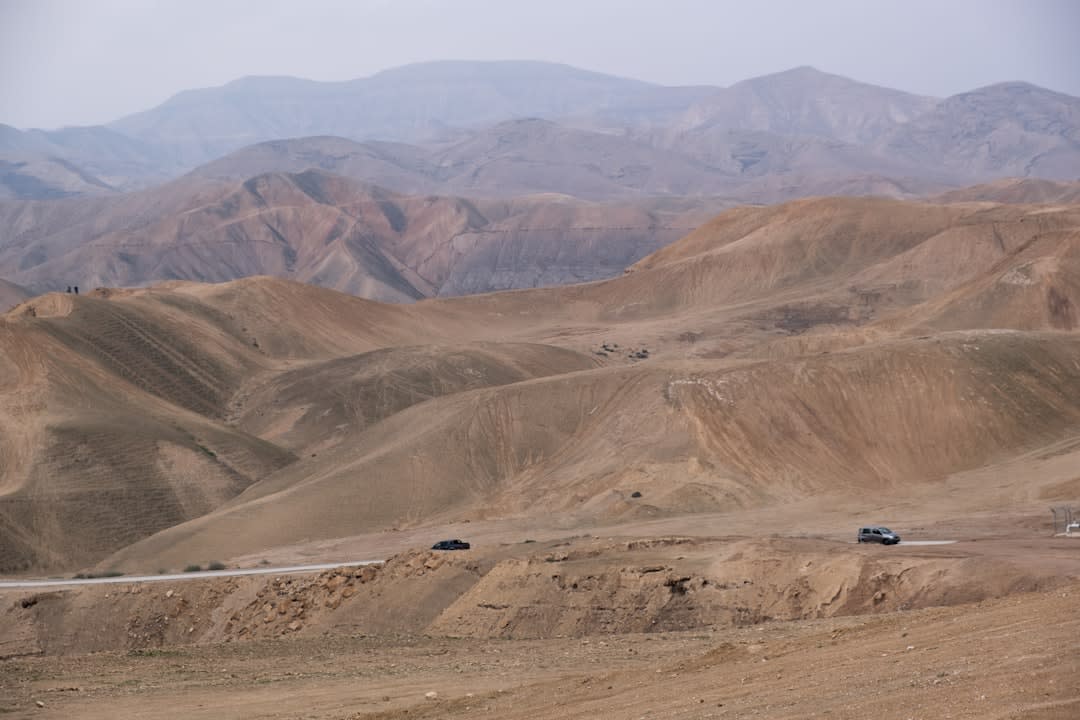
A tunnel system dug by Herod’s engineers, and later expanded by Jewish rebels for escape routes during two separate revolts against Rome, runs beneath the fortress and is partly open to visitors with a flashlight — cool, narrow, and genuinely unsettling in the way that spaces built for people hiding from armies tend to be. I came out of the tunnel blinking into the desert light and stood there a while just recalibrating.
When to go: Morning is best, both for the light on the desert hills and to beat the heat, which builds fast on the exposed hilltop with no shade. Spring and autumn are the most comfortable seasons; midsummer at midday on that bare cone is not recommended.