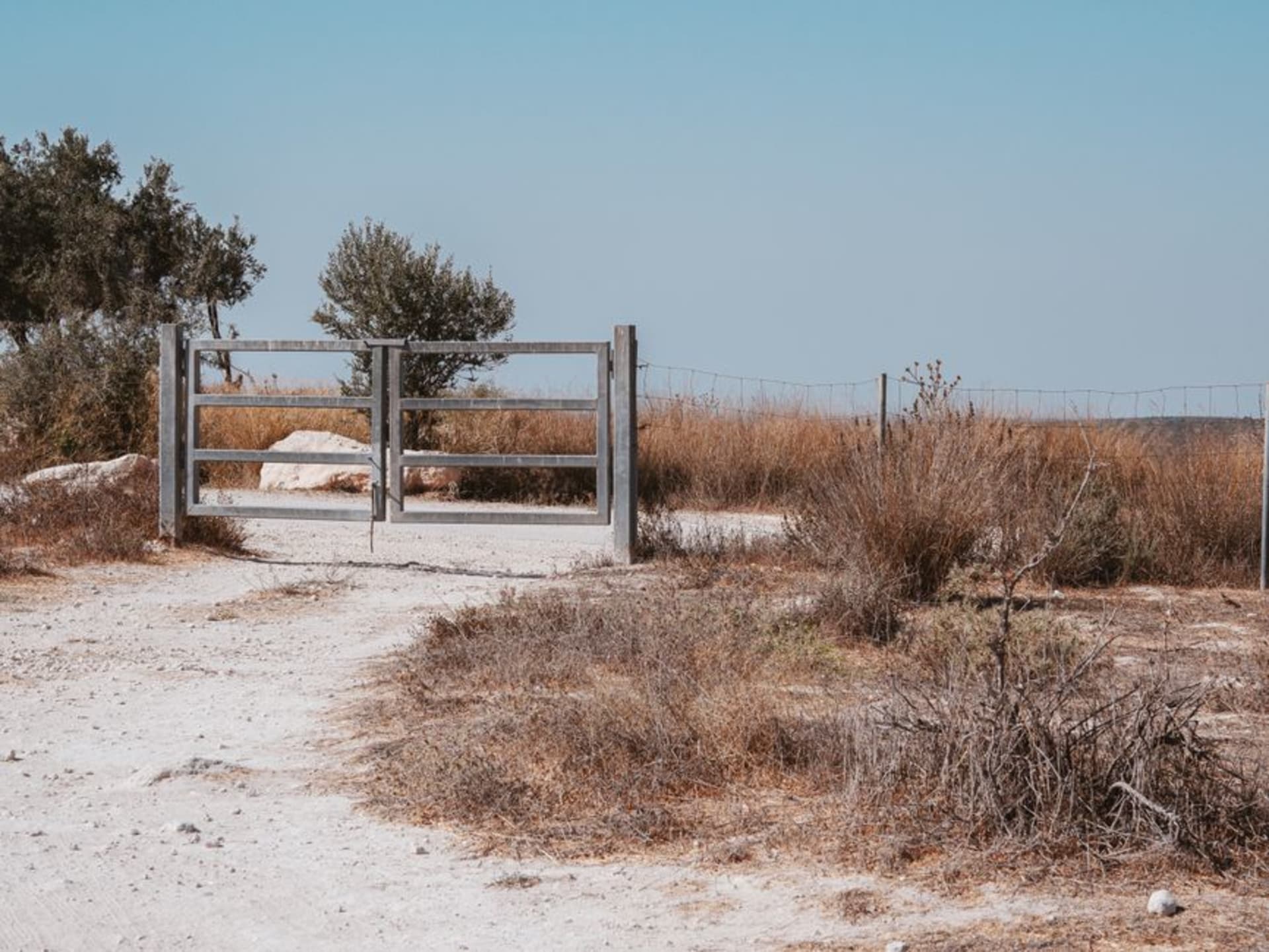
Beit Sahour
"The field where the shepherds supposedly looked up is still just a field. That's what got me."
The traditionally Christian town just east of Bethlehem where shepherds are said to have received news of the Nativity, now a quiet base for hiking the surrounding Judean hills.
Beit Sahour is a fifteen-minute walk from Manger Square, close enough that most people treat it as an afternoon errand from Bethlehem rather than a destination in its own right, which is a mistake I made myself the first time and corrected on a second, longer visit. The town is built around the Shepherds’ Field, the traditional site where shepherds are said to have received the announcement of Christ’s birth, and there are, fittingly, two competing candidate sites a short distance apart — a Greek Orthodox one with a cave church and a Catholic Franciscan one with a modern chapel designed by Antonio Barluzzi, its conical roof meant to evoke a shepherd’s tent. I visited both, mostly out of curiosity about how two denominations could disagree so specifically about geography, and found the older Orthodox cave more affecting simply for being older and darker and smelling of two thousand years of candle smoke.
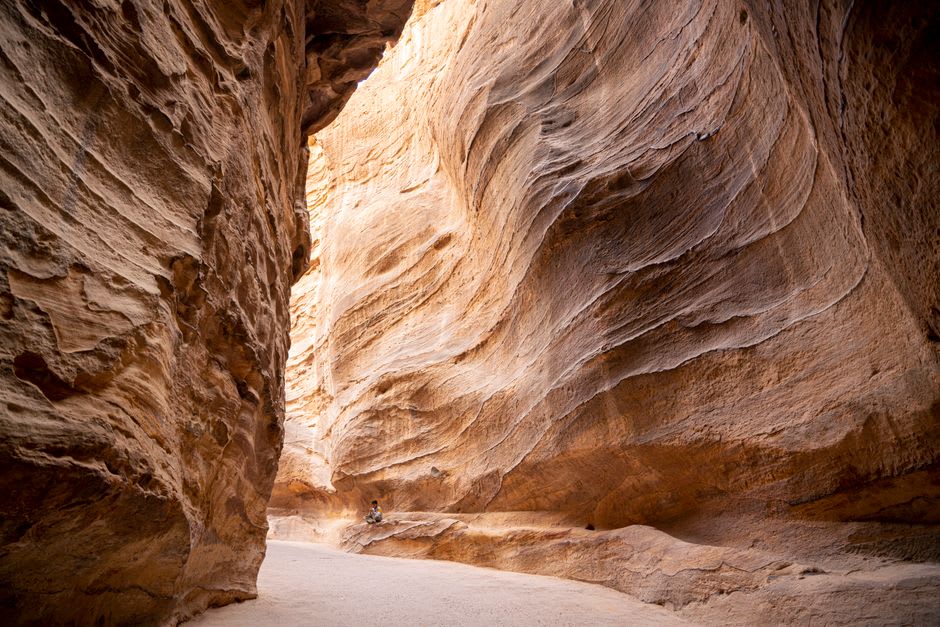
What I actually came to like about Beit Sahour, though, had less to do with the biblical claim and more to do with the town itself: a mixed Christian and Muslim community, historically known for pottery and embroidery, with a quieter, more residential feel than Bethlehem proper and a genuinely good ecotourism operation, the Siraj Center, that runs guided hikes into the surrounding hills and valleys. I joined one that descended toward Wadi Khareitoun, a limestone canyon dotted with caves that Bedouin shepherds still use seasonally, and our guide, a local in his sixties who had walked these hills his entire life, pointed out plants along the trail — wild sage, capers growing straight out of rock cracks — that he’d been eating since childhood.
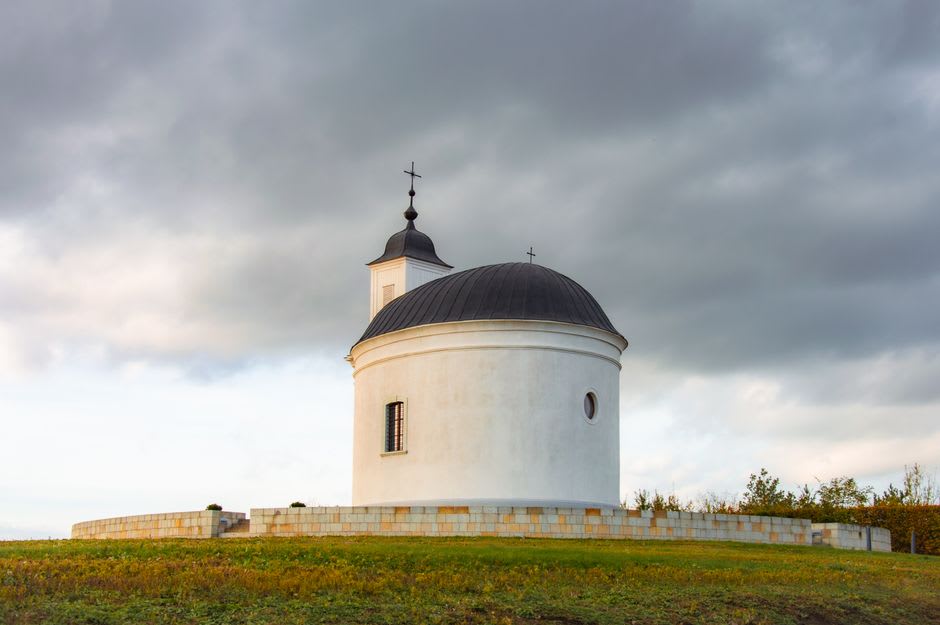
Beit Sahour also has a small but proud history of civil resistance — residents famously withheld taxes during the First Intifada in a coordinated act of civil disobedience that drew international attention — and a man running a falafel stand near the town square told me the story unprompted, with visible pride, while handing me change, a reminder that in Palestine even the smallest towns tend to carry specific, remembered history rather than generic backstory.
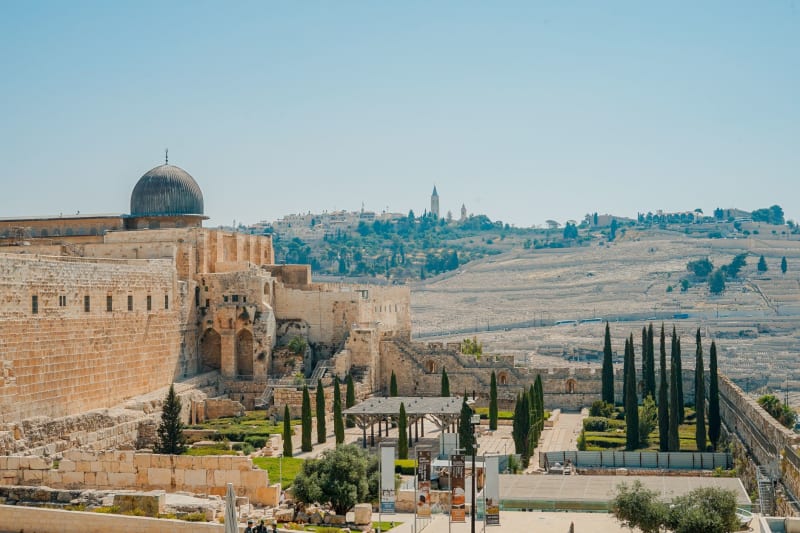
I ended the day at a rooftop restaurant with a view back toward Bethlehem’s rooftops and the hills beyond, eating a plate of maqluba, and thought that Beit Sahour deserved considerably more than the half-afternoon most visitors give it.
When to go: Spring and autumn for hiking the surrounding wadis, when temperatures are manageable and the hills are at their most scenic. Christmas week brings a genuinely lovely, low-key parallel celebration to Bethlehem’s, worth experiencing if you’re in the area.
Keep exploring
More from Palestine
 palestine
 Bethlehem
A living Palestinian city wrapped around the world's most contested manger — incense, graffiti, and the best musakhan of my life.
Explore palestine
 Birzeit
A hilltop university town near Ramallah where Ottoman-era stone mansions, a lively student population, and some of the best olive oil in the West Bank all share the same few streets.
Explore palestine
 Hebron
The most divided city in the West Bank — ancient souk, contested shrine, and a glass-blowing tradition that has survived everything the twentieth century threw at it.
Explore palestine
 Herodium
A man-made volcano-shaped mountain outside Bethlehem where Herod the Great built a fortress-palace and, according to Josephus, was buried inside it.
Explore palestine
 Hisham's Palace
An eighth-century Umayyad winter palace outside Jericho famous for a single mosaic floor so precise and so vast that photographs of it don't prepare you for standing over it.
Explore palestine
 Jenin
A northern city the world knows mainly from its refugee camp's history — but Jenin's theatre, its market, and its olive groves are its own.
Explore