Culion Island
"Some islands ask you to slow down and listen before you take a single photo."
A quiet harbor town in northern Palawan where a Spanish fort and a leprosarium's memory sit side by side above limpid water.
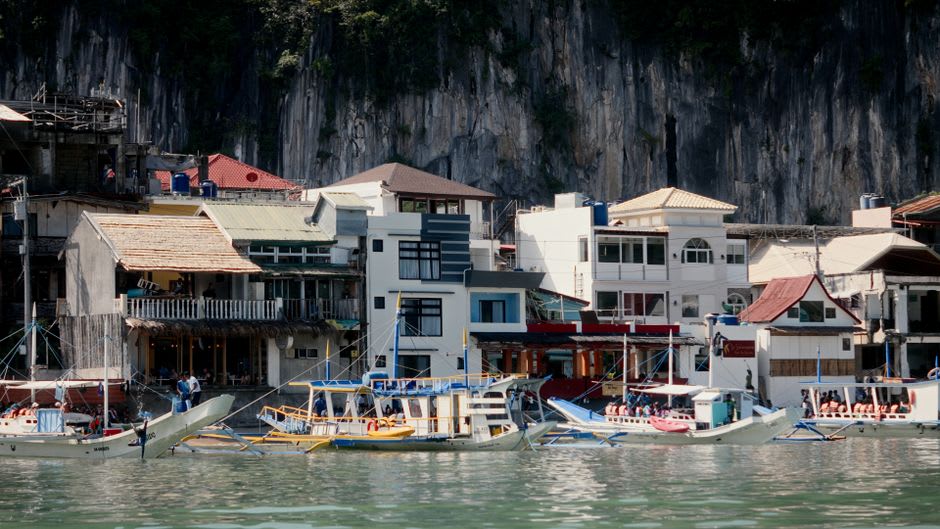
The boat from Coron takes a little under two hours, and for most of it Lia and I just watched the water change color under us, that impossible turquoise that Palawan does so well. I’d read a little about Culion before we left — enough to know it wasn’t going to be just another pretty anchorage — but nothing quite prepares you for sailing into a harbor and seeing a Spanish-era church and a stone fort standing guard above a town that was, for most of the twentieth century, the largest leper colony on earth. We tied up near the old pier, and the first thing I noticed was how ordinary everything looked: fishermen mending nets, kids running along the seawall, someone’s radio playing from an open window. It took a moment to reconcile that stillness with what I knew had happened here.
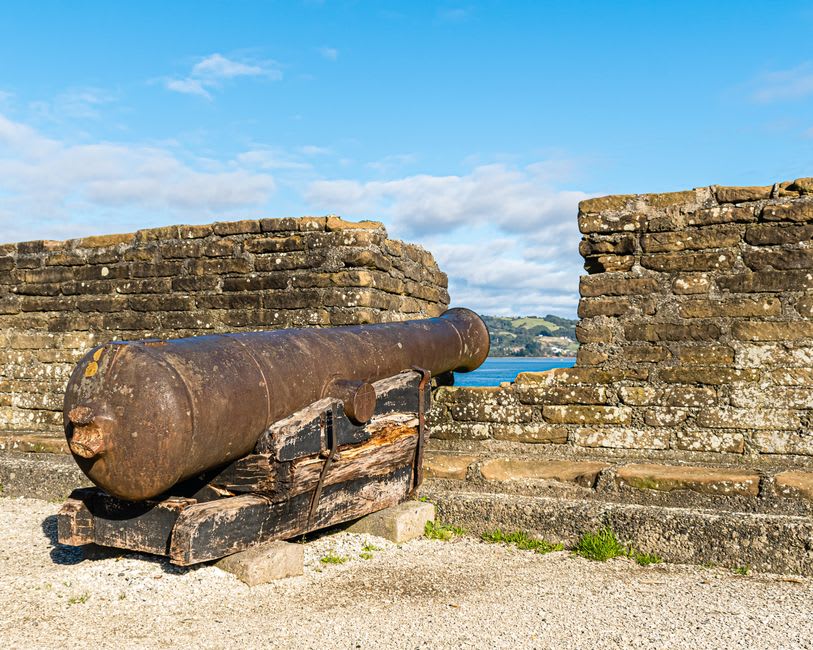
We walked up to Fort Culion first, built by the Spanish in the 1740s to watch for Moro raiders, its thick coral-stone walls still holding the shape of the harbor below. From up there you can see the whole layout of the town, the Immaculate Conception Church rising white and solid at its center, and I found myself thinking less about the raids the fort was built against and more about the other history layered on top of it — the one that began in 1906, when the American colonial government chose Culion as the site for a leprosarium and, over the following decades, forcibly relocated more than six thousand patients here from across the Philippines.
That history is what the Culion Museum and Archives holds onto, carefully and without sentimentality. Lia and I spent close to two hours inside, reading through case files, old photographs, the instruments used in the pioneering treatment research that eventually helped bring leprosy under control worldwide. There’s a wall of patient portraits that stopped me mid-sentence — I’d been about to say something to Lia and just didn’t. It’s not a heavy museum in the way you’d expect; it’s matter-of-fact, almost tender, in how it handles the forced separations, the children born in the colony and raised apart from their parents, the decades before the medicine caught up with the isolation policy. Walking back out into the afternoon light, the harbor felt different than it had an hour before.
We spent our last afternoon doing what you’d do on any other Palawan island — swimming off a quiet bay a short banca ride from town, watching a reef shelf drop away under clear water, eating grilled tanigue that a family sold from a stall by the pier. That contrast is Culion in a sentence: a town that has fully returned to being a fishing community, coral reefs and all, while still keeping its harder history in plain view rather than tucking it away. I left thinking about it more than almost anywhere else we’d been in Palawan, which surprised me a little.
When to go: Culion is best reached during the dry season, from November to May, when the crossing from Coron is calm — the boat ride can get genuinely rough outside that window, and there’s little shelter once you’re out on the open water between the islands.
Keep exploring
More from Palawan
 palawan
 El Nido
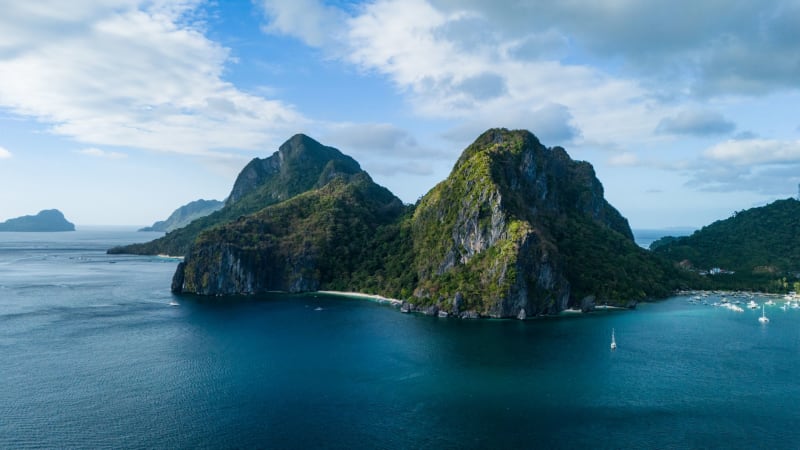
Vertical limestone karsts rising from impossible turquoise water — it looks like a screensaver until you're inside it.
Explore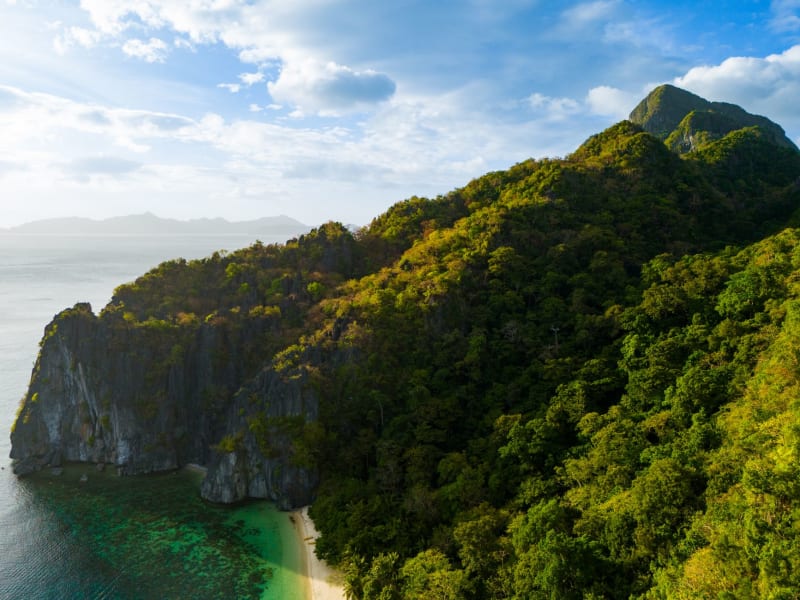 palawan
 Honda Bay
The approachable island-hopping just outside Puerto Princesa — no logistics drama, just clear water and a morning to spare.
Explore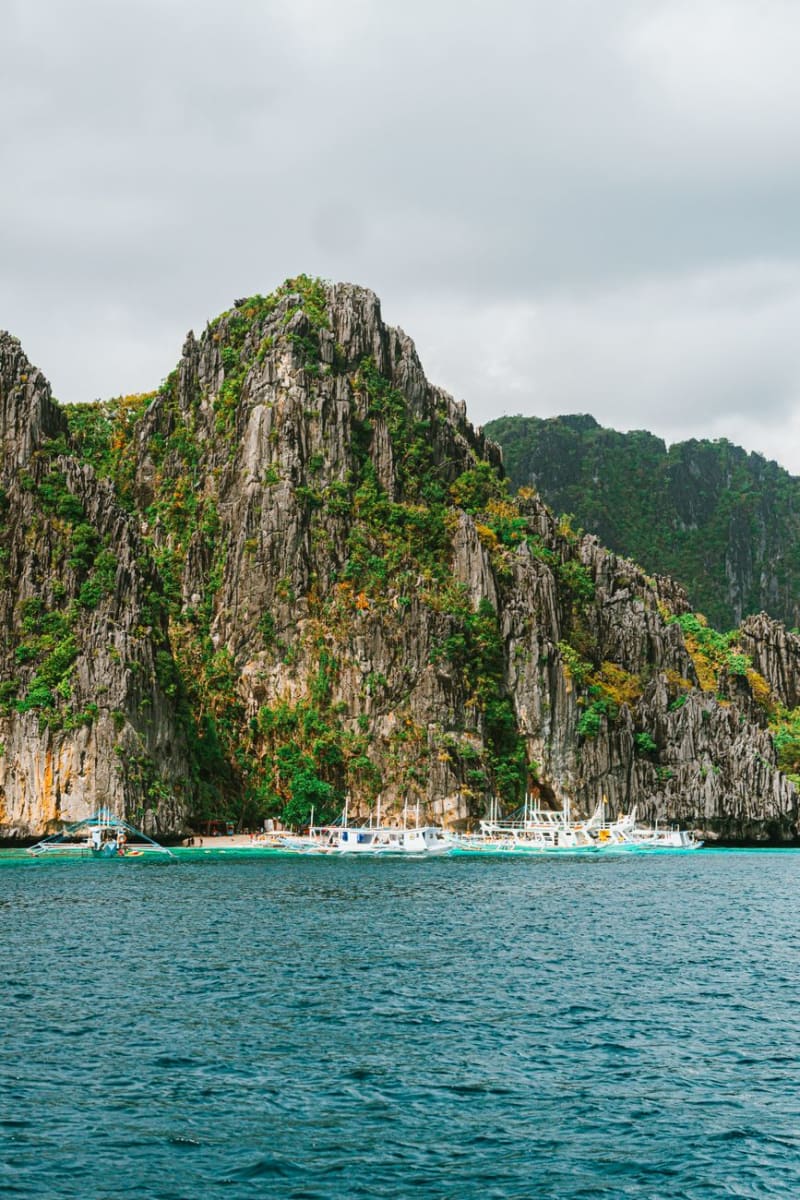 palawan
 Linapacan
A scatter of barely-developed islands between Coron and El Nido, often credited with some of the clearest seawater on the planet, and reachable mostly by the slow expedition boats that pass straight through.
Explore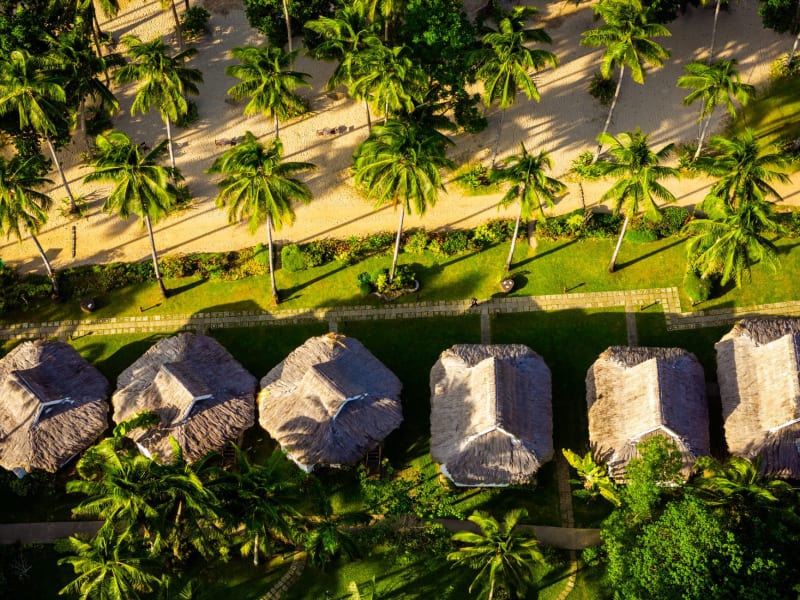 palawan
 Nacpan Beach
A four-kilometer beach north of El Nido that is everything El Nido would be if El Nido hadn't been discovered yet.
Explore palawan
 Port Barton
The small fishing village that El Nido used to be — a working bay, honest food, and islands almost no one has named yet.
Explore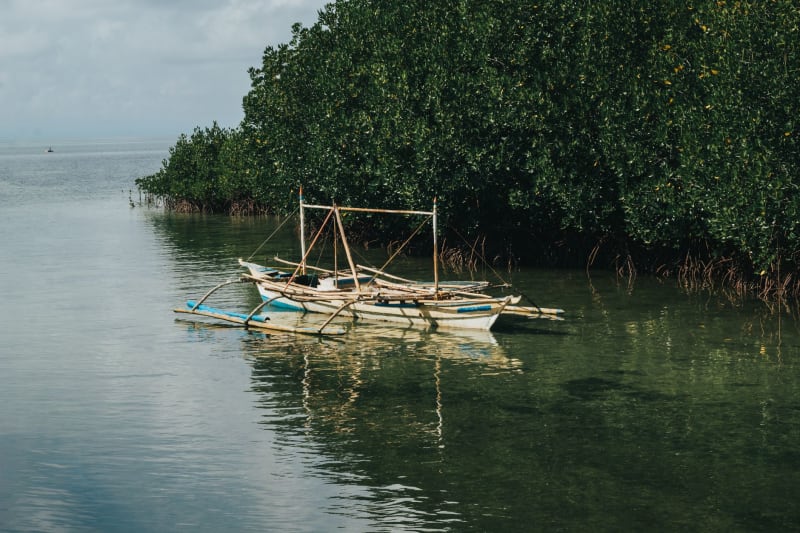 palawan
 Puerto Princesa
The understated capital where the street food is honest and a side trip to the underground river justifies everything.
Explore