
Swat Valley
"Swat asks you to hold two things at once: extraordinary natural beauty and a difficult recent history."
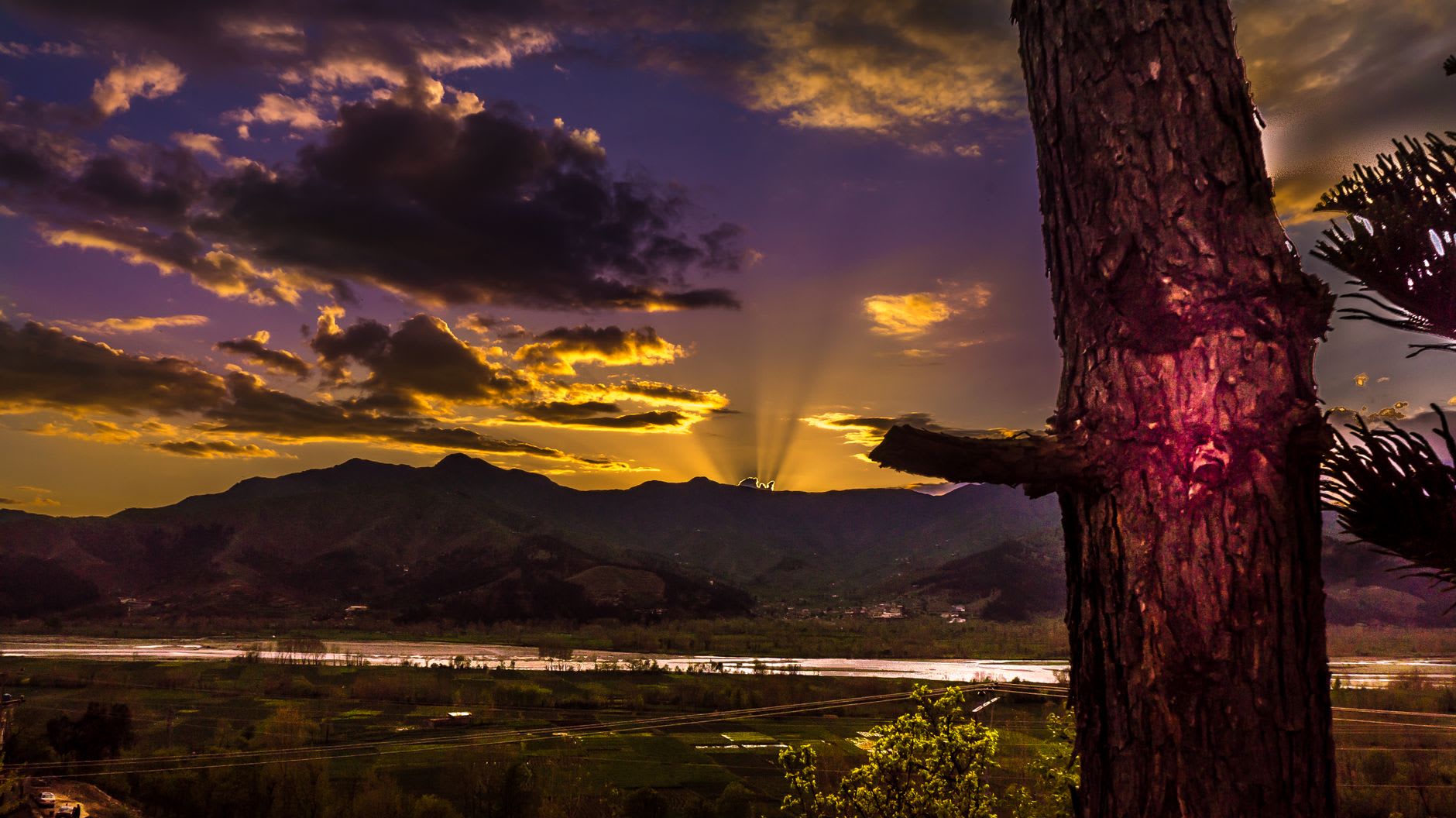
Swat’s reputation for natural beauty precedes it so emphatically that you almost expect to be let down, and then the valley proper begins south of Mingora and the road rises along the Swat River and the mountains close in on either side and the terraced wheat fields and walnut groves climb the slopes and the river below is that implausible blue-green color that I now associate specifically with glacially-fed streams — and you aren’t let down at all. The drive from Peshawar takes about three hours when the road is clear, and every kilometer after the valley entrance justifies the journey more.
Mingora is Swat’s main city — chaotic, commercial, unremarkable by its center but surrounded by the landscape that makes the valley famous. The real experience begins north of here, in Malam Jabba with its ski resort (yes, Pakistan has a ski resort), in Madyan and Bahrain where the river narrows and the canyon walls come close enough that the sound of water fills everything. I stopped in Bahrain at a wooden teahouse built on stilts over the river, drank chai from a glass while watching the white water below, and felt that specific contentment of a place that is exactly what it appeared to be in photographs.
What’s easy to overlook in the scenery, and shouldn’t be, is the valley’s archaeological depth. The Swat region was the ancient Buddhist heartland of Uddiyana, mentioned in texts spanning the 1st through 7th centuries CE as one of Buddhism’s most sacred territories. The Italian Archaeological Mission, which has worked here since the 1950s, has excavated dozens of Buddhist stupas, monasteries, and rock carvings across the valley. Butkara Stupa, just outside Mingora, was once one of the most venerated sites in the Buddhist world — a pilgrimage destination that attracted monks and scholars from across Central Asia, China, and the subcontinent. What remains today is partial, rebuilt in places, standing in a field alongside the very ordinary routines of 21st-century Pakistan. The contrast is quietly extraordinary.
The rock carvings at Jahanabad include a massive 7th-century Buddha carved directly into a cliff face — defaced badly during the Taliban period between 2007 and 2009, since partially restored. Standing before it, you’re confronted with a kind of archaeological grief that has no clean resolution: the image is damaged and restored and damaged again and what you’re looking at is as much a record of the 21st century as the 7th.
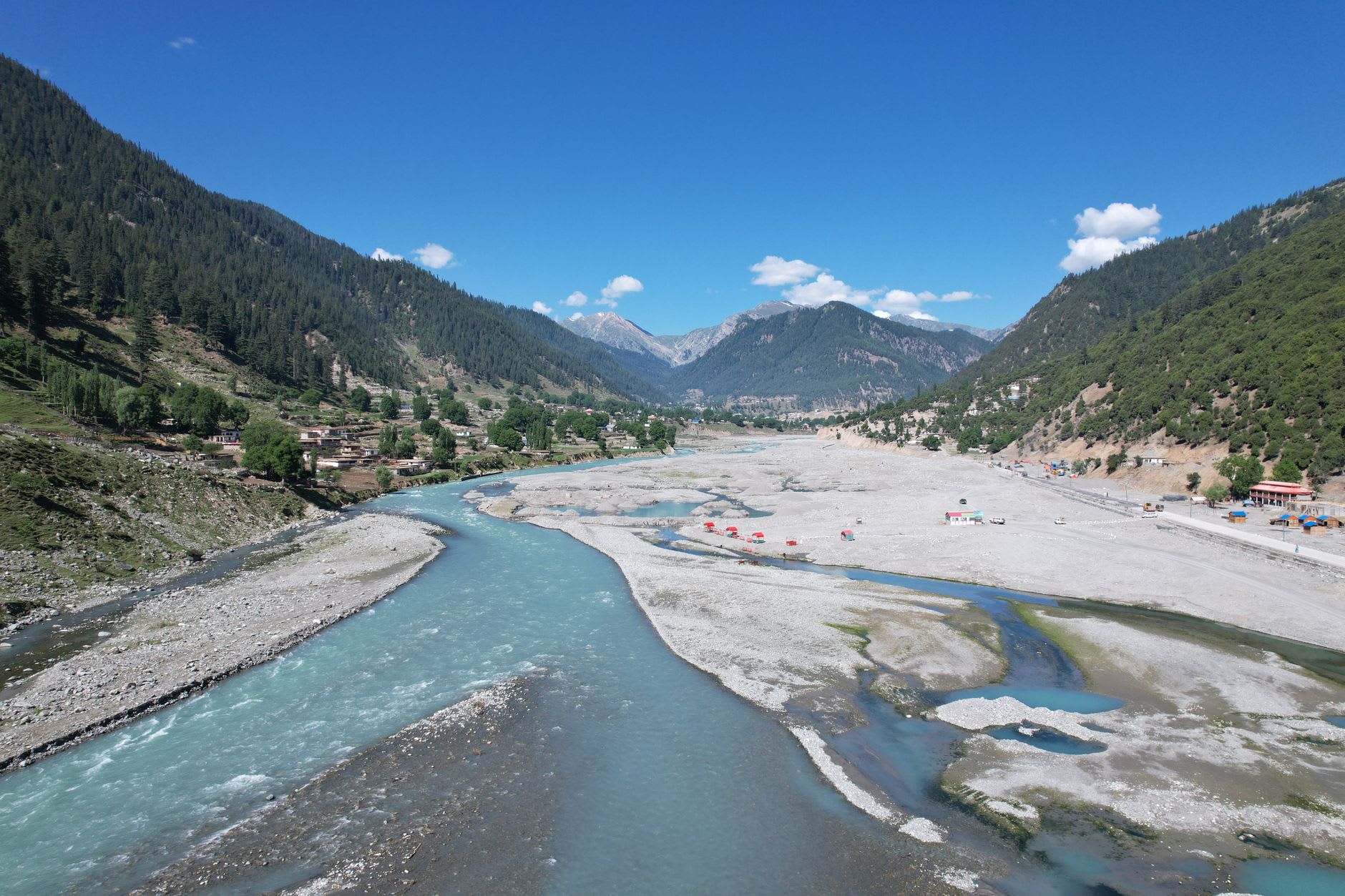
The valley above Kalam, in upper Swat, is high alpine country — glacier lakes, meadows, streams that run off ridges above 4,000 meters. Mahodand Lake is a three-hour jeep track from Kalam and emerges suddenly from a forested approach: dark water, high peaks, a shoreline where horses graze and local families picnic in summer. It’s the kind of place that gets called “pristine” in travel writing, which usually means “not yet heavily managed,” which is accurate here.
When to go: April through October for the full valley experience, with May to June particularly beautiful as the wildflowers are high and the rivers still running strong with snowmelt. Upper Swat above Kalam is accessible July through September. Winter closes the upper valley but the lower valley near Mingora and Bahrain stays accessible and less crowded.