Asia
Pakistan
"The mountains here don't just impress you — they rearrange you."
I landed in Islamabad on a night flight, expecting the usual capital city shuffle — bureaucracy, traffic, a hotel room that smelled like air conditioning. What I didn’t expect was to be eating the best grilled chicken of my life at a roadside dhaba at midnight, talking football with a truck driver from Gilgit who had driven fourteen hours through the Karakoram Highway to get there. That’s Pakistan in a sentence: the country keeps handing you things you weren’t prepared for.
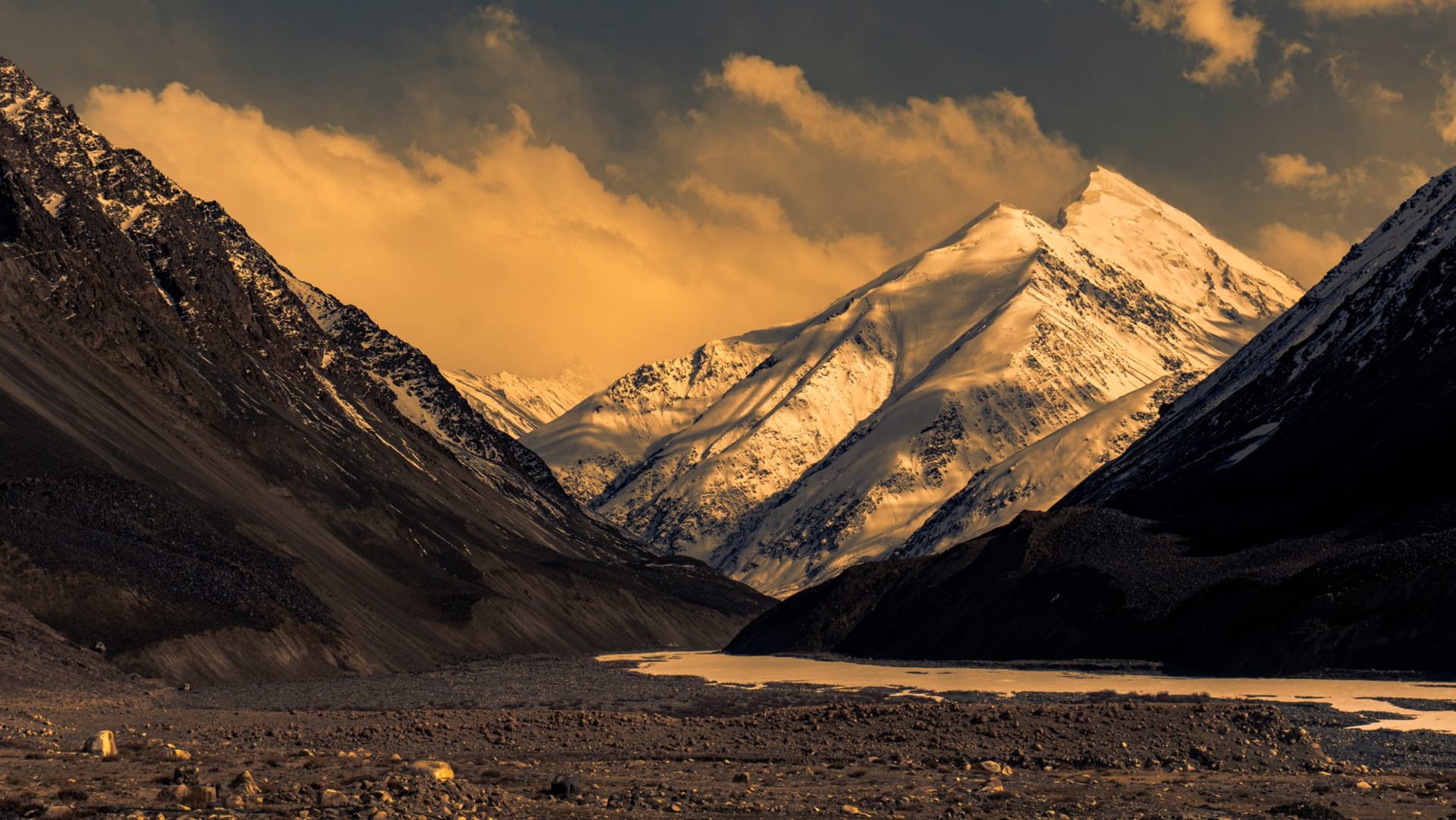
The north is the reason serious travelers come here, and it deserves everything written about it. The Hunza Valley in June — apricot blossoms mostly gone but the terraced fields a violent green against the gray-white of the Rakaposhi massif — is one of the most beautiful landscapes I’ve ever walked through. Karimabad’s old bazaar sells dried mulberries and locally-made cheese alongside phone cases and prayer beads. The Karakoram Highway itself, built at staggering human cost along the old Silk Road, is less a road than an argument about what’s physically possible. K2 base camp draws the toughest trekkers; Fairy Meadows, at the foot of Nanga Parbat, is achievable in a day’s walk and feels like a scene someone painted from imagination. But Pakistan is not only mountain scenery. Lahore is a city of Mughal grandeur and food so good it makes you want to cancel your flight — nihari simmered overnight, karahi cooked in blackened woks over open flame, rabri falooda eaten standing on a street corner in the old city at ten in the evening with half the neighborhood doing the same.
When to go: May to September for the northern mountains — the Karakoram Highway is passable and the high passes are open. Hunza peaks in late May with the last of the spring blooms, and again in October when the poplars turn gold. Lahore and the Punjab are best October to February, when the heat breaks and the air clears. Avoid the mountains in winter unless you’re there for technical climbing.
What most guides get wrong: They treat Pakistan as a destination only for intrepid adventurers willing to rough it. In reality, the hospitality infrastructure in the north has improved dramatically — there are excellent guesthouses in Hunza and Skardu, good food everywhere, and locals who will go out of their way to make sure you leave with a good impression. The challenge isn’t hardship; it’s bureaucracy and the visa process. Once you’re in, Pakistan is one of the most welcoming countries I’ve traveled through. The fear-based framing most Western media applies to this country keeps it emptier than it deserves to be, which, depending on your priorities, is either a problem or the whole point.