
Portland
"Portland doesn't try to impress you. It just keeps being itself until you realise that's the most impressive thing."
Portland arrived at me slowly, the way good cities do. I’d come south from Seattle on Amtrak — a journey of just under three hours through the Lewis River country, the Columbia River appearing briefly before Kelso, the train sliding into Union Station with the kind of baroque arrival hall that American train travel used to treat as normal — and I had no particular plan except to eat well and walk. By the end of the first day I had eaten extremely well and walked very badly because every few blocks something stopped me.
The city operates at a more human pace than Seattle. The blocks are short by American standards — 200 feet — and this compression means you actually see things from the pavement that in most US cities you would miss from a car. I discovered Powell’s City of Books this way, walking past it twice before understanding I was looking at a full city block of second-hand and new books occupying a building of several floors. I spent an hour and a half in the travel section alone and left with three books I had not come for and a mild case of the disorientation that only very large bookshops produce.
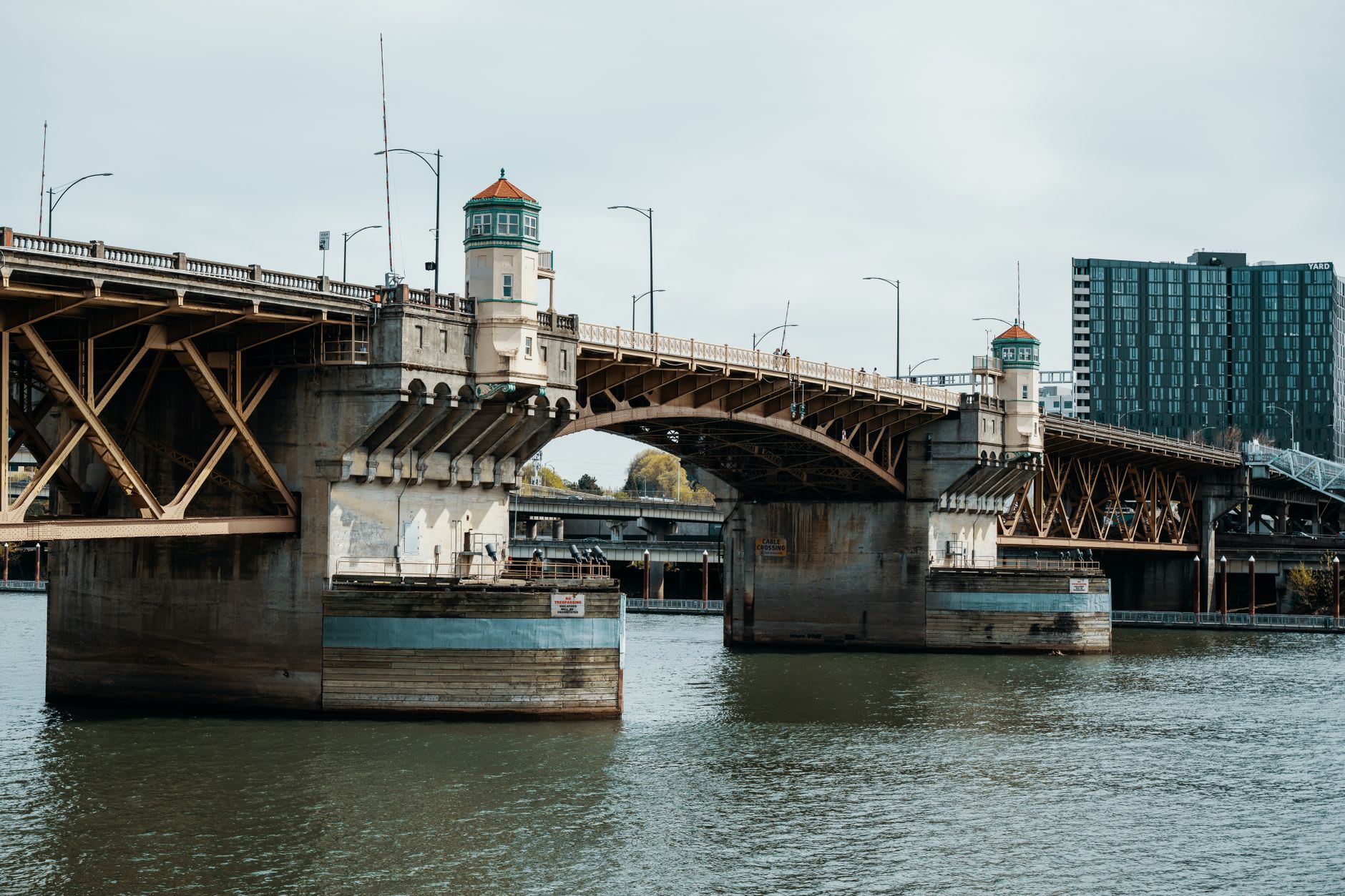
The food scene is genuinely punching above its population. On Alberta Street in the northeast, the restaurants sit in converted bungalows and shotgun houses, and on a warm evening the patios spill onto the sidewalk with a casualness that feels more like Mexico City than the American Northwest. I had Dungeness crab at an oyster bar where the chalkboard listed twelve Pacific varieties by their origin bay — Willapa, Netarts, Tillamook — and the difference between them was immediately apparent and difficult to articulate beyond saying that the one from Netarts tasted like the inside of a cold clean fog. The Willamette Valley pinot noir that came with it came from a place forty minutes south, and this proximity felt almost absurd. You could drink wine from the grapes you’d driven past on the way into the city.
The east side of the Willamette has a different energy — more residential, less curated. The Mississippi Avenue neighbourhood has food carts parked permanently in lots, serving everything from Ethiopian to Peruvian to breakfast sandwiches so large they require structural support. Portland’s food cart culture has something the sit-down restaurant circuit lacks: stakes. A cart operator cannot hide behind ambience. The food has to be good or there is no cart.
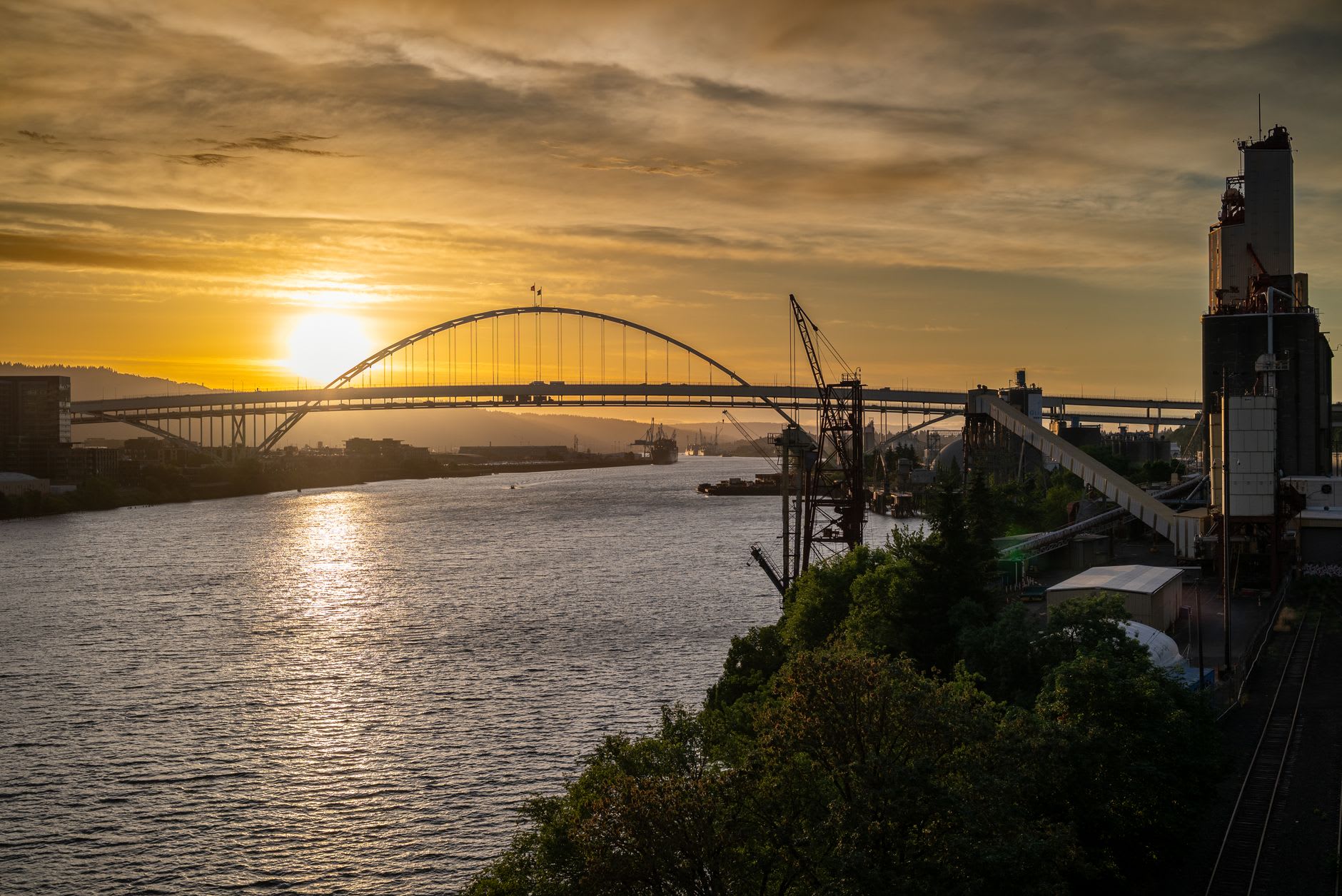
Forest Park sits at the western edge of the city — 50 kilometres of trails through second-growth Douglas fir that begin, literally, at the end of residential streets. I ran the Wildwood Trail one morning for two hours without crossing a road and came back into the city smelling of damp earth and pine. The park is the reason, I think, that Portland does not feel claustrophobic despite its density. There is always somewhere to go that is not built.
When to go: June through September brings the dry season and the farmers’ markets at full volume. July gives you the rose gardens in bloom and the best weather for cycling the 40-Mile Loop along the rivers. October through March is grey and rainy and perfect for bookshops, coffee shops, and the serious business of eating, which Portland takes very seriously indeed.