Astoria
"Astoria has the quiet confidence of a place that knows it was important before anyone was looking."
Astoria appeared to me for the first time from the water, which is the only honest approach. I had taken a small passenger ferry from the Washington side of the Columbia, from a dock near Dismal Nitch — a name the Lewis and Clark expedition gave the spot in 1805 after being trapped there in storms for six days, which tells you something about both the weather and the expedition’s morale — and the town revealed itself slowly on the Oregon bank: Victorian houses climbing a steep hillside, the great bridge crossing behind me, the Astoria Column on the highest hill like an improbable punctuation mark. I thought: no one told me this existed.
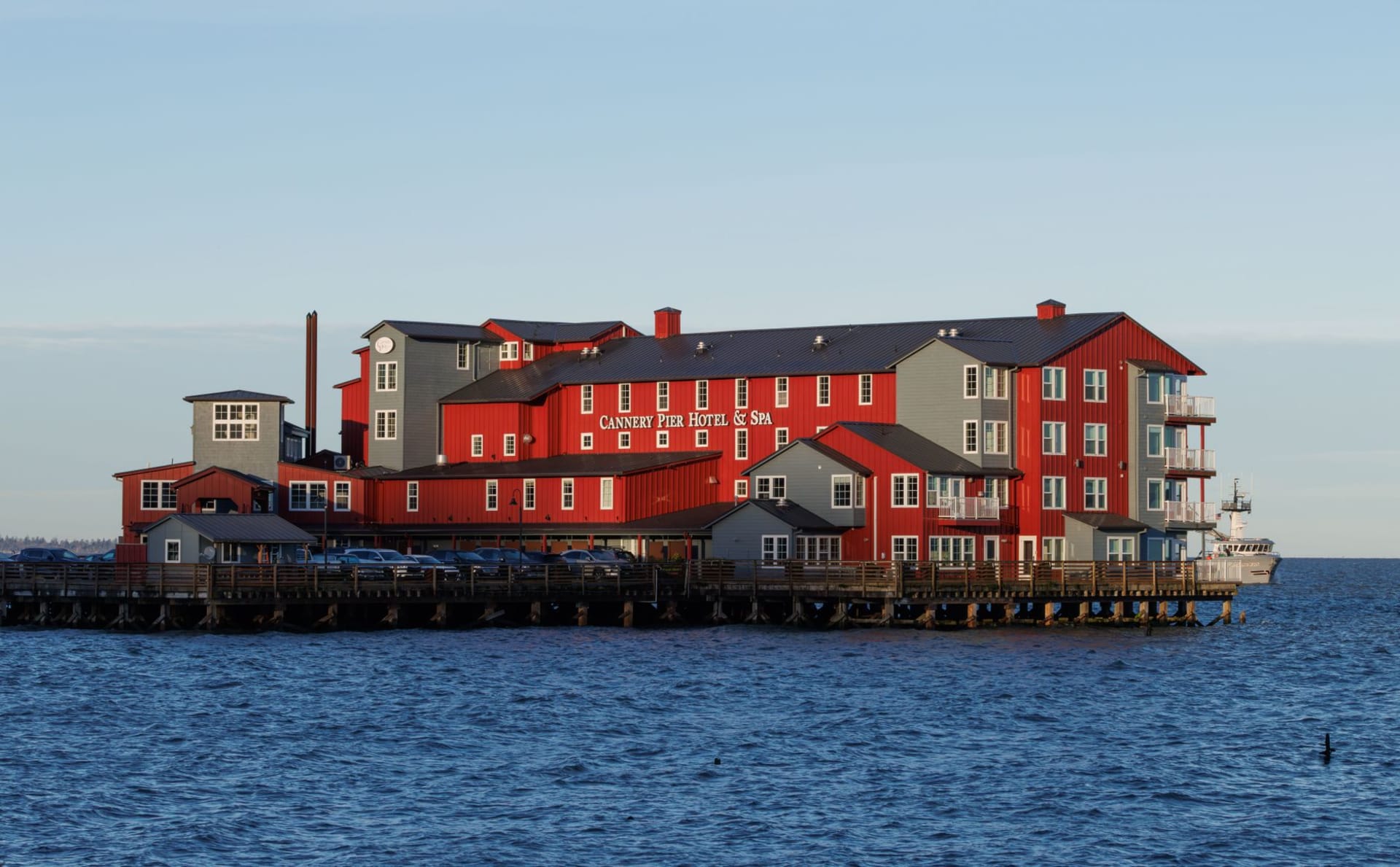
The city was founded in 1811 by John Jacob Astor’s Pacific Fur Company, making it the first permanent American settlement on the Pacific coast — a distinction it wears with the mild pride of a place that knows the historical record and has largely moved on from it. The downtown along Commercial Street retains its Victorian and Craftsman commercial buildings in a state of weathered dignity that gentrification has not yet fully reached. There are art galleries between the bait shops. There are coffee roasters next to cannery supply stores. The layer cake of the town’s identity — fishing port, heritage site, artists’ colony, transit hub to nowhere in particular — is visible in every block.

The Columbia River Maritime Museum, at the water’s edge, is one of the genuinely excellent small museums of the American West. The Columbia Bar — the stretch of water where the river meets the ocean — is one of the most dangerous maritime passages in the world, responsible for over 2,000 shipwrecks and earning the nickname “Graveyard of the Pacific.” The museum holds this history with appropriate seriousness: the lighthouse equipment, the rescue records, the artifacts from the wrecks, the stories of the bar pilots who guide ships across the shallows in all weather. I spent two hours there and came out with a heightened respect for anyone who has ever worked a boat in this particular stretch of water.
The Astoria Column on Coxcomb Hill is a 125-foot tower painted with a continuous frieze spiralling from its base to its top, depicting the exploration and settlement of the Northwest. It looks, from a distance, like a miniature version of Trajan’s Column in Rome, and the comparison is not accidental — the same format, the same historical intent. From the top of the tower you can see the bar breaking in the distance, the river mouth, the Pacific beyond, and the hills of Washington across the water. It is a view that explains why people came here and why, once they arrived, some of them stayed.

The fishing culture here is still alive rather than merely memorialised. At the Bumblebee Café on Marine Drive — a counter place, no pretension — I had a cup of coffee and listened to two gillnetters discussing the salmon season with the specific technical vocabulary of people whose livelihood depends on understanding exactly what a river is doing on any given week of the year. Astoria’s survival as a real working port town, rather than a museum version of one, is the rarest thing in American coastal tourism.
When to go: Summer (June–September) is the driest and most comfortable, with the salmon running and the maritime museum’s outdoor events. The town is accessible and uncrowded year-round. January and February bring the full weight of Pacific weather — fog, rain, the bar in winter roil — and the town in this mood is worth experiencing once, if you have the right coat.