
Skara Brae
"The stone dresser is still standing. Whatever they kept on it has been gone for five thousand years."
The walk from the visitor centre to the site itself is brief and slightly anti-climactic — a path across grass, a ridge, and then the Bay of Skaill opens in front of you and the settlement appears below, looking at first like nothing more than some shallow depressions in the ground. Then you get to the viewing platform and look down and understand what you are seeing. Stone walls. Stone beds, with their frames intact. Stone dressers — shelved furniture, still standing — that would have held whatever these people considered worth displaying. The rooms are small, the passages between them lower still, but the domestic logic of the place is clear. Someone lived here. Someone slept in that bed and kept things on that shelf.
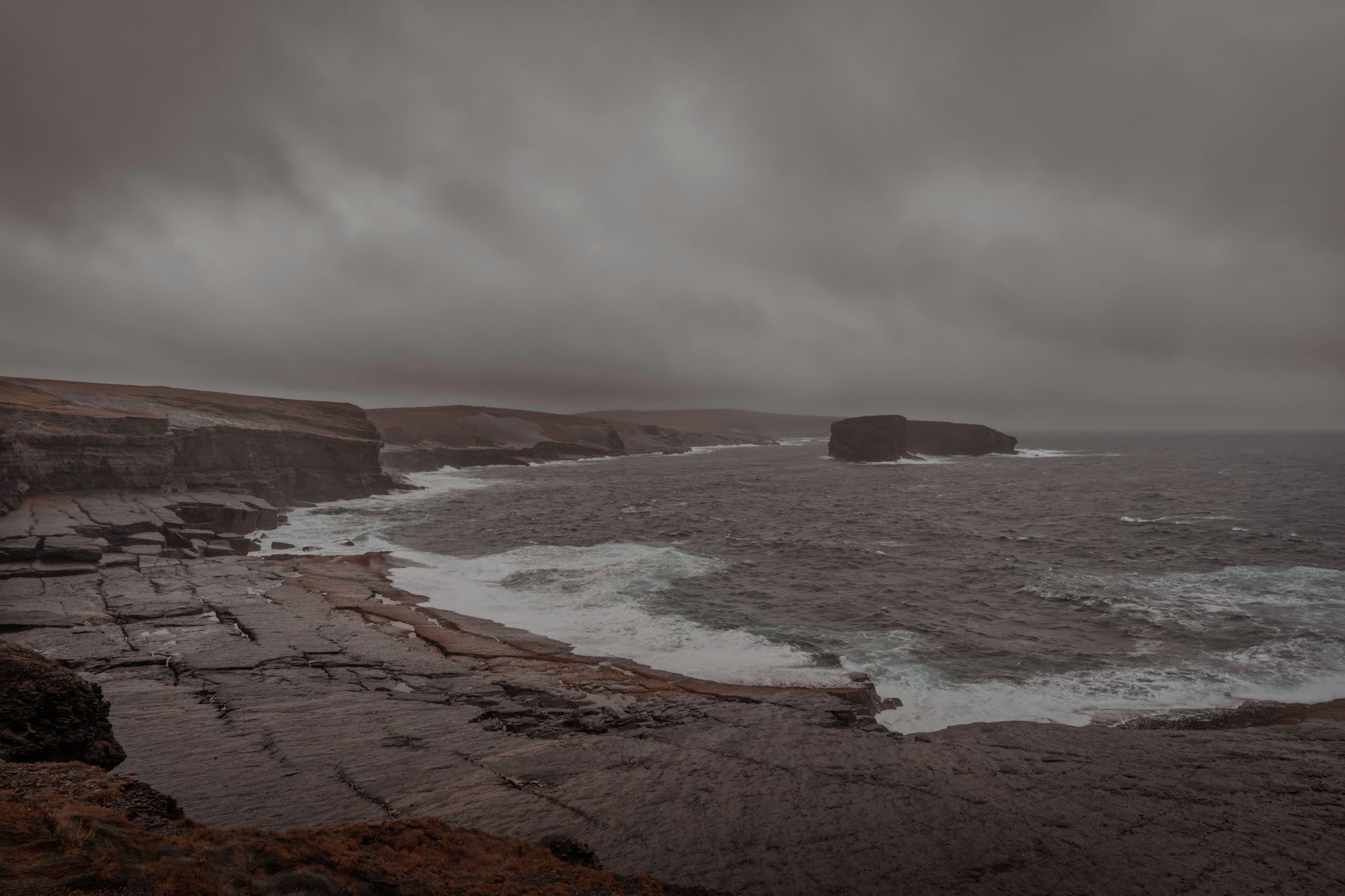
Skara Brae was built and occupied between roughly 3180 and 2500 BC — older than Stonehenge, older than the pyramids at Giza. A storm in 1850 stripped away the sand dune that had covered and preserved it for four and a half millennia, and a second storm in 1925 revealed the full extent of the settlement. The preservation is extraordinary because of the sand. Elsewhere in Britain, Neolithic sites survive as earthworks at best, their organic contents long decayed. Here, because the dunes sealed everything, you have stone furniture. You have limpet shells and cattle bones that indicate what people ate. You have a carved stone ball whose purpose nobody is entirely sure of, handled and passed around for five thousand years before anyone thought to ask the question.
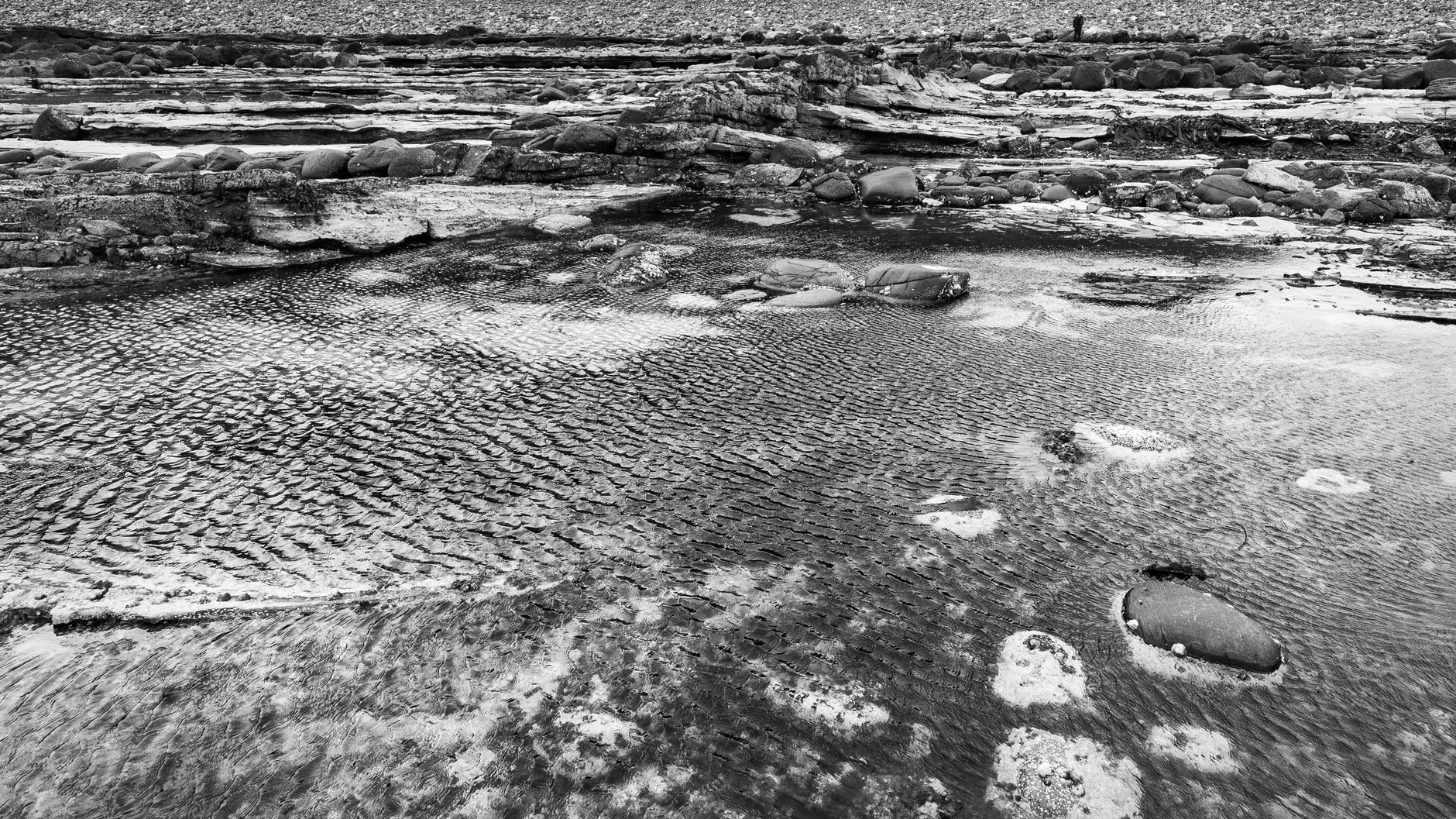
The visitor centre handles the context — finds, interpretation, a recreated house interior you can walk through, which helps calibrate the scale. But the emotional weight of the visit comes from standing at the edge of the actual site, looking down into House Seven or House One, and trying to hold in your mind the distance between then and now. It is 5,000 years. It is genuinely difficult to feel that number. What you can feel, standing there while the Bay of Skaill turns green behind you and a haar blows in from the sea, is that the people who built this place were working with the same materials — stone, wind, water, darkness — that you are standing in right now. The closeness of that observation is what makes Skara Brae different from a ruin. It is less a ruin than a question you cannot quite answer.
When to go: April through September is the visitor season. Summer brings the light and the most comfortable walking conditions. Early morning on a midweek visit in May or early June, before the coach tours arrive, gives you the site almost to yourself. The Bay of Skaill immediately behind is worth the walk regardless of season.