
Granite peaks, glacial lakes, and Nez Perce history collide in Oregon's remote 'Alps,' a range that rewards anyone willing to drive the extra hours.
I’ll admit it took me two summers of hearing “you have to go to the Wallowas” before Lia and I actually made the drive. Northeastern Oregon is far from everything — we flew into Boise and still had three hours of two-lane road ahead of us — and I kept assuming it was one of those places locals oversell. Then we crested the last ridge before Joseph and I actually pulled the car over. Sacajawea Peak was catching the last light at nearly 3,000 meters, and the whole range had this raw, granite-and-snow honesty to it that felt closer to something out of Chamonix than anything I’d pictured in Oregon. People call it the Alps of Oregon and I used to think that was tourism-board flattery. It isn’t.
We based ourselves in Joseph, a tiny town that takes its name — and its bronze foundries — seriously, and spent our first morning at Wallowa Lake, at the foot of the range. It’s glacially carved, flanked by these long lateral moraines that rise like walls on either side, and standing at the shoreline you can practically read the ice age in the landscape. We rode the aerial tram up to Mount Howard, which felt a little touristy at first, but the view from the top — ridge after ridge of the Eagle Cap Wilderness folding into the distance — shut me up fast.
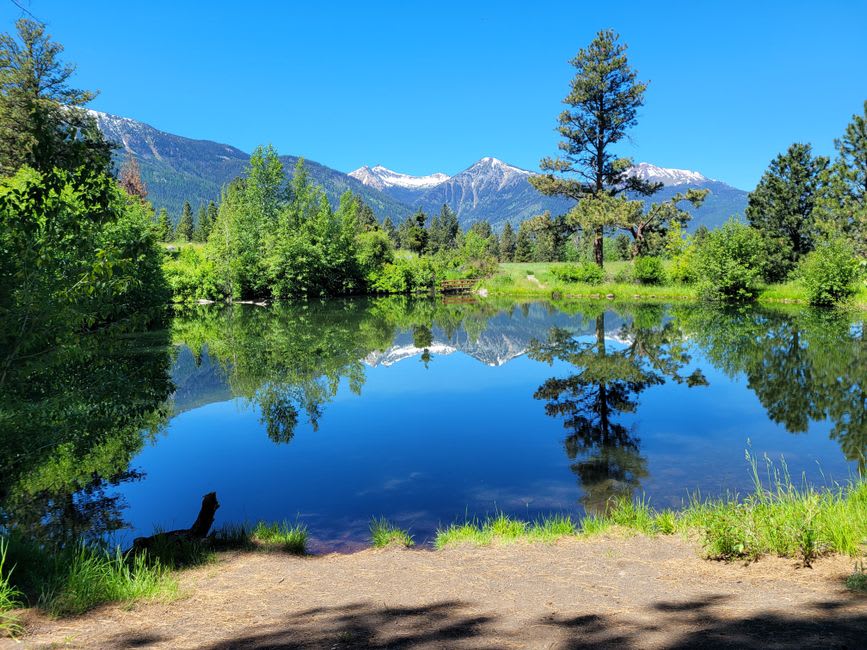
What I hadn’t fully grasped before this trip was how much history sits under those peaks. This was the homeland of the Wallowa band of the Nez Perce, and Chief Joseph was born near the lake around 1840, decades before his people were forced out in 1877. There’s a small monument near the lake, and honestly it stopped both of us — Lia read the plaque twice. It reframed the whole hike we did the next day into the Eagle Cap Wilderness, all 360,000-plus protected acres of it, one of the largest wilderness areas in the state. We only scratched the surface — the place holds over fifty alpine lakes and something like 900 miles of trail — but even our modest day hike to one of the closer lakes left my legs sore for two days.
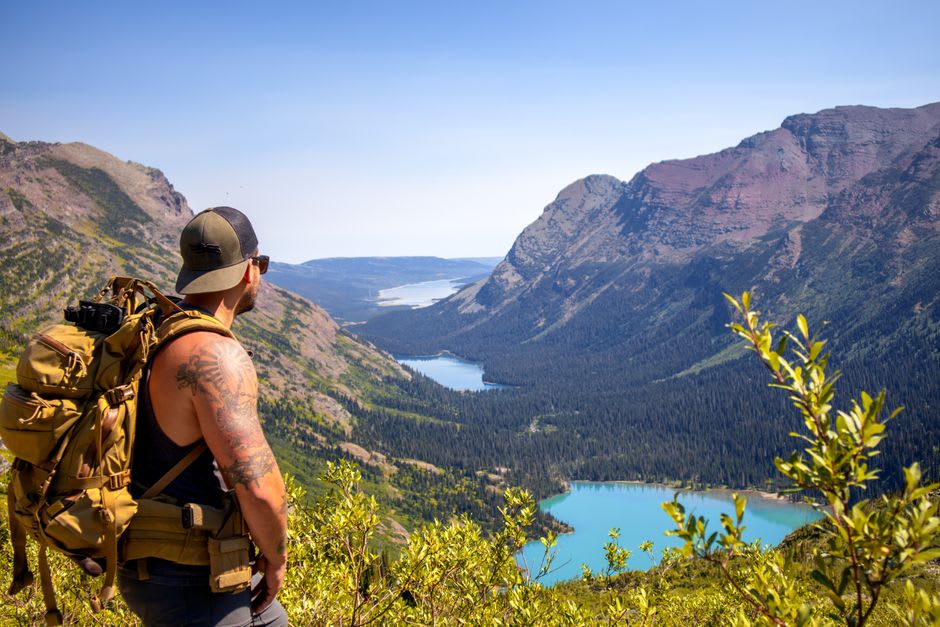
We ate dinner most nights at a little place in Joseph with elk burgers and huckleberry everything, comparing notes on which lake we’d try to reach if we ever came back with more time — Lia’s already lobbying for a multi-day trip deeper into the wilderness. I keep telling people this range punches so far above its name recognition that it’s almost unfair to the rest of Oregon.
When to go: Aim for July through September, once the high trails have shed their snow — we went in early July and still hit a few stubborn drifts above the tree line. Go any earlier than late June and you’re basically postholing through snowpack instead of hiking.