A rugged fishing-village beach past Muscat's last roundabout, where the crowds thin out and the road itself becomes part of the trip.
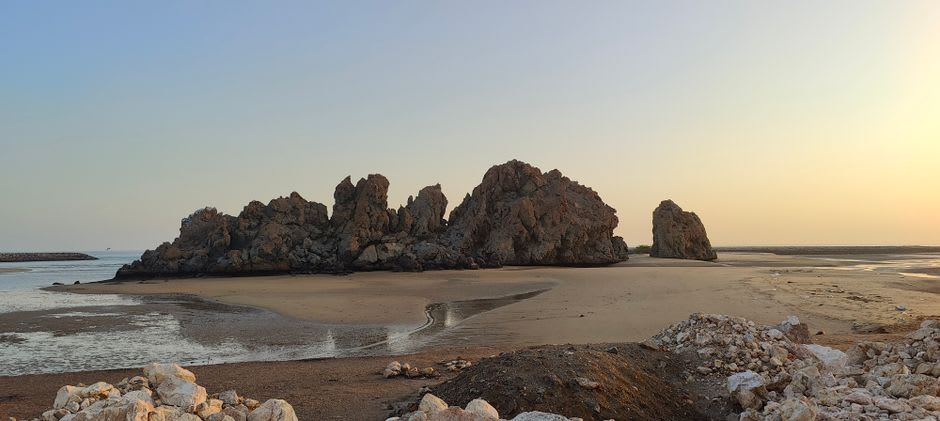
Yiti Beach isn’t in most Muscat itineraries, and after going, I understood why — it takes an hour of driving past the last real infrastructure of the capital, along a coastal road that turns to gravel in patches, to reach a beach with essentially no facilities at all. That’s precisely what made it worth the drive.
The Road Becomes the Destination
We rented a car specifically for this, since taxis wouldn’t commit to the return trip without a long wait. The drive south from Muscat hugs the coastline through a series of small fishing settlements, the mountains closing in tighter on the inland side the further you go, until the paved road gives way to a rougher track that a normal sedan can still manage if you go slowly. Lia counted four goats crossing the road unbothered by our car, which felt like the right welcome for what came next.
A Beach Still Run by Fishermen
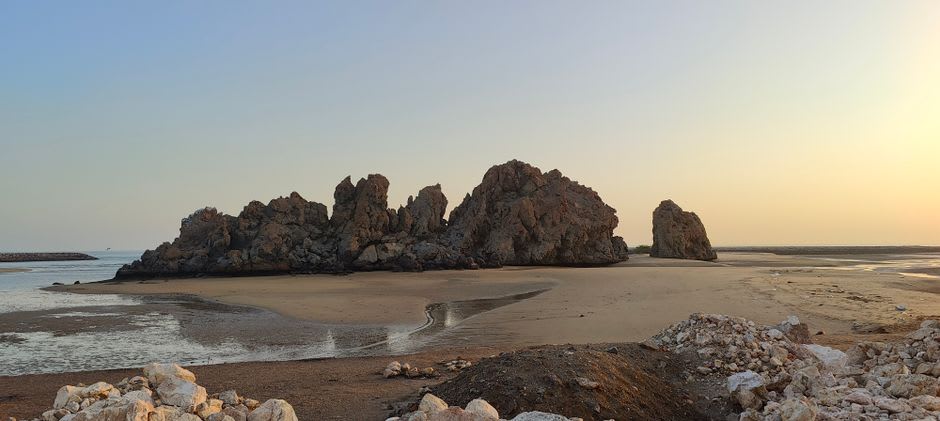
Yiti itself is a working fishing village first and a beach destination a distant second. Wooden boats sit pulled up on the sand mid-morning, nets drying across improvised racks, and the handful of other visitors we saw were mostly Omani families rather than tourists. There’s no beach bar, no umbrellas for rent, no music — just sand, clear water, and the occasional fisherman sorting a catch a few metres from where we’d laid out our towels.
Worth the Isolation
What Yiti gives you that Muscat’s city beaches can’t is genuine quiet — no corniche joggers, no waterfront restaurants, just the sound of the tide and the occasional outboard motor. Bring your own water and shade; there is nothing to buy here. We ate lunch out of a cooler in the shade of the car and it was, unexpectedly, one of the more memorable meals of the whole Oman trip.
When to go: October through April, in the morning before the heat peaks — bring your own water, shade, and a car with decent ground clearance for the final stretch.
Keep exploring
More from Oman
 oman
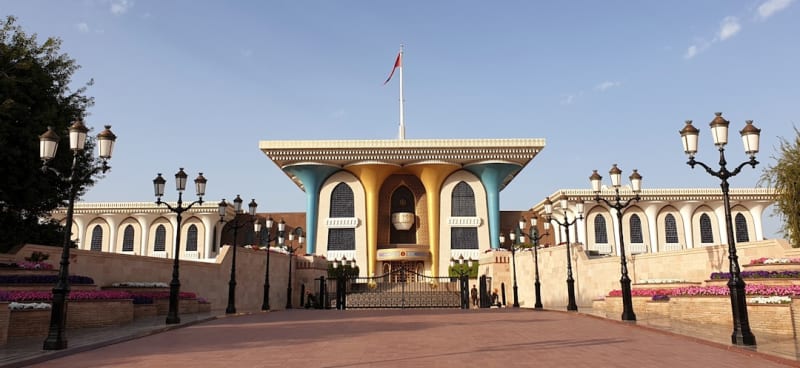
oman Al Alam Palace
The Sultan's ceremonial palace, all blue-and-gold columns, wedged between two Portuguese forts on Muscat's old harbour.
Explore oman
oman Al Ashkharah
A working fishing town at the edge of the desert coast, the last real stop before the ferry crossing to Masirah Island.
Explore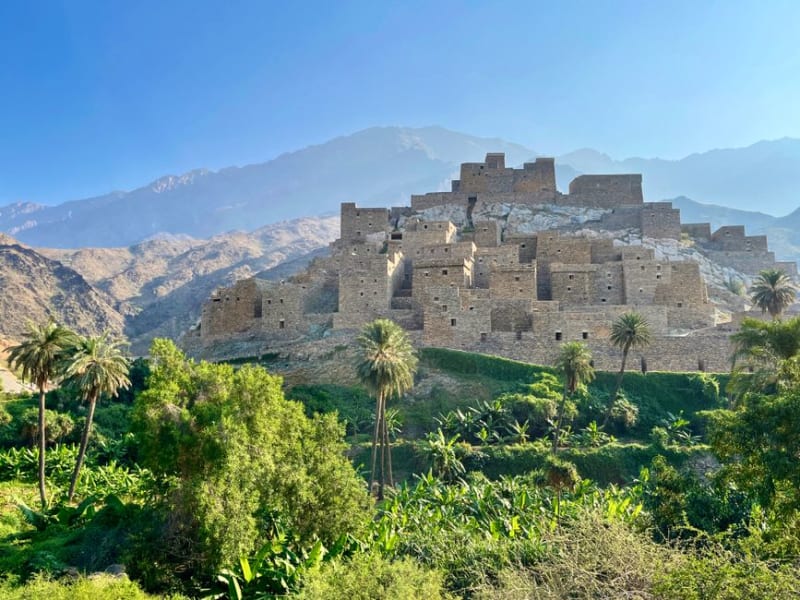 oman
oman Al Ayn Beehive Tombs
The best-preserved cluster of Bronze Age beehive tombs in Oman, lined up along a ridge against the jagged backdrop of Jebel Misht like a row of stone teeth.
Explore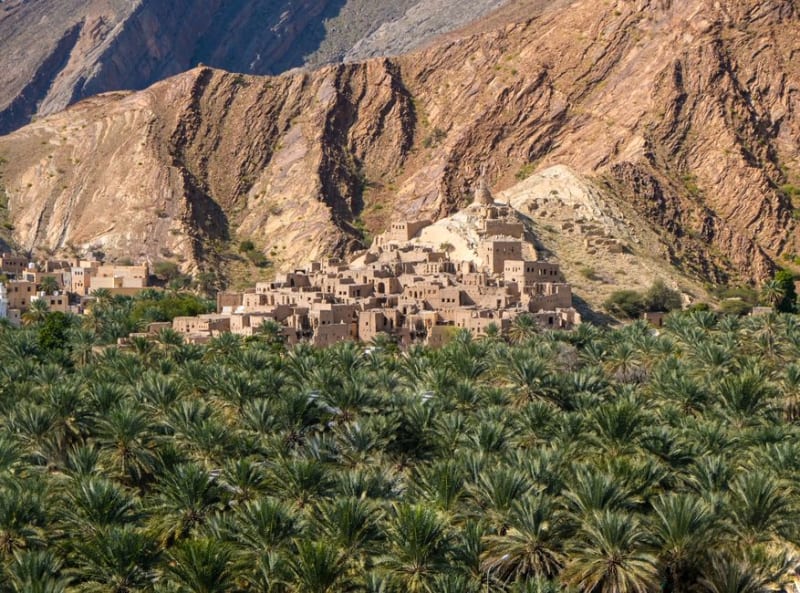 oman
oman Al Baleed and the Frankincense Land Museum
The ruins of a medieval trading port and a museum that explains, finally, why frankincense was ever worth fighting over.
Explore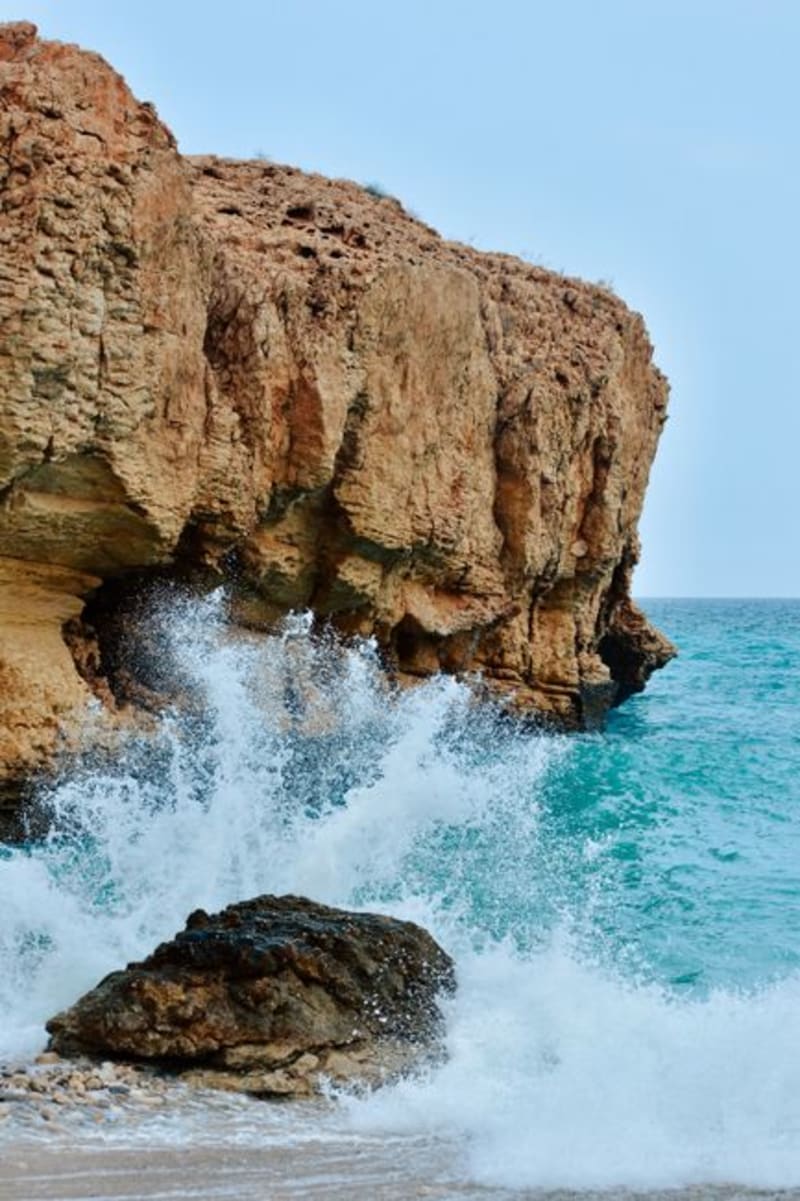 oman
oman Al Fazayah Beach
A crescent of white sand reached by a single hairpin road through the mountains, with almost nothing on it but coconut palms and camels.
Explore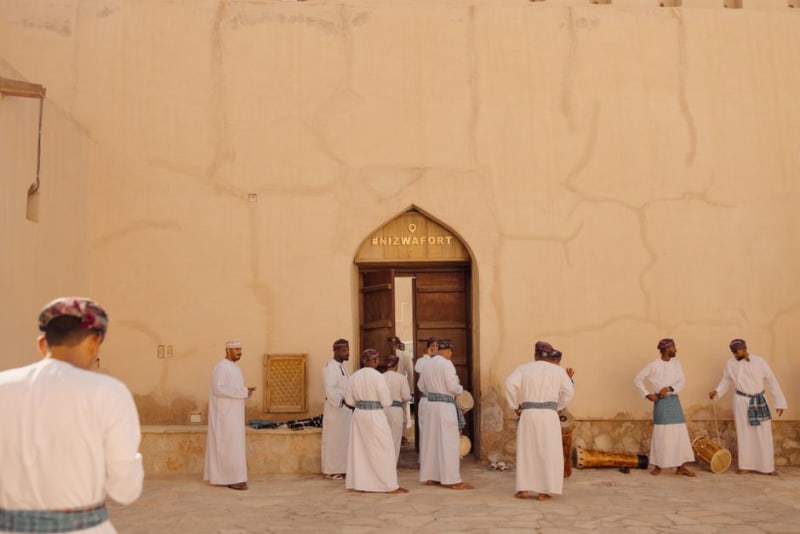 oman
oman Al Hamra
A 400-year-old mud-brick town at the foot of the Al Hajar mountains, where two-story merchant houses stand empty and unlocked, waiting for nobody in particular.
Explore